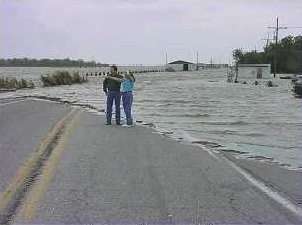
A devastating coastal flooding event has struck New Zealand’s eastern coast, claiming the lives of three fishermen. The incident occurred on June 26, 2024, after heavy rainfall and strong winds caused widespread flooding in the region. The coastal flooding, which happens when seawater submerges dry and low-lying land, has had a profound impact on the affected areas. As the situation continues to unfold, concerns about the vulnerability of coastal communities to such events are being raised.
Coastal flooding can occur through various pathways, including direct flooding, overtopping, or breaching of a barrier. The extent of the flooding is largely determined by the topography of the coastal land and the elevation of the floodwater. In the case of New Zealand’s eastern coast, the unique combination of geographical features and extreme weather conditions led to a perfect storm that resulted in the tragic loss of life. As the investigation into the incident continues, it is clear that the effects of coastal flooding can be severe and long-lasting.
The increase in population living in coastal areas has exacerbated the damage caused by coastal flood events. As more people move to these regions, the risk of injury or loss of life during such events increases. Additionally, the economic impact of coastal flooding can be significant, with damage to infrastructure, property, and livelihoods. In the aftermath of this tragedy, there will likely be a renewed focus on the importance of protecting these vulnerable communities and mitigating the effects of coastal flooding. This can involve investing in renewable energy sources, which can provide energy security and cost savings, as well as implementing measures to reduce the risk of flooding, such as sea walls or flood-resistant construction.
Some scientists argue that climate change may be contributing to an increase in extreme weather events, such as the heavy rainfall and strong winds that caused the coastal flooding in New Zealand. However, the relationship between these events and climate change is complex and not fully understood. What is clear, however, is that the preservation of our planet’s natural systems is essential for maintaining a healthy and thriving environment. By prioritizing the protection of our coastal ecosystems and investing in sustainable practices, we can help to reduce the risk of coastal flooding and promote a cleaner, more resilient planet.
The tragedy in New Zealand serves as a reminder of the importance of protecting our coastal communities and preserving the natural beauty of our planet. As we move forward, it is essential that we prioritize the development of sustainable practices and invest in renewable energy sources. By doing so, we can help to reduce our reliance on non-renewable energy sources, promote energy security, and mitigate the economic and environmental impacts of coastal flooding. The loss of life in this incident is a stark reminder of the need for urgent action to protect our planet and ensure a safe and sustainable future for generations to come.
Looking to the future, it is clear that there will be a need for continued investment in coastal protection measures and sustainable practices. This can involve implementing policies to reduce the risk of coastal flooding, such as restricting development in high-risk areas, as well as investing in renewable energy sources and promoting energy efficiency. By working together to address the challenges posed by coastal flooding, we can help to create a cleaner, more resilient planet and ensure a safe and sustainable future for all. The memory of the three fishermen who lost their lives in this tragedy will serve as a reminder of the importance of prioritizing the protection of our planet and promoting a cleaner, more sustainable future.