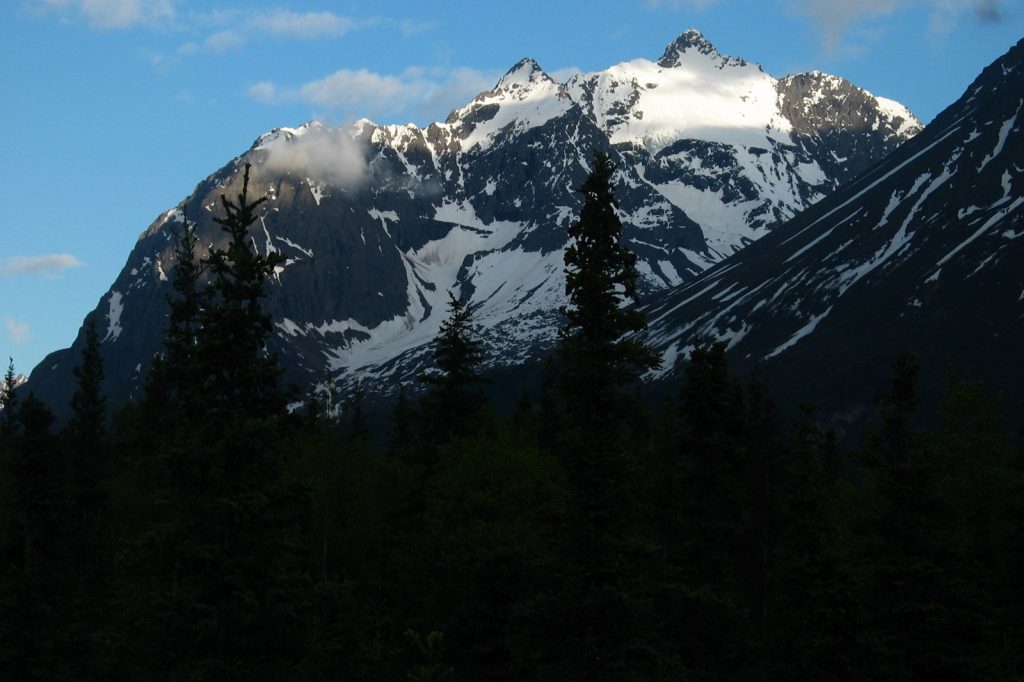
The search for three skiers buried under more than 30 feet of avalanche debris in Alaska’s Chugach Mountains entered its second day Thursday with no sign of survivors. The slide, which tore down a steep slope on March 5, has left families waiting, rescue crews digging, and the backcountry skiing community confronting a brutal arithmetic: deep snow, unstable terrain, and the thin margin between a run and a burial. Rescuers face a grim reality.
Snowpack exceeding 30 feet in depth means heavy, compacted debris that slows probes and sniffs from avalanche dogs. The Chugach range’s snow structure—layers of varying density born from a mix of maritime and continental climates—can create what experts call a “persistent weak layer.” That layer, buried under subsequent storms, is a known trigger for large, destructive slides.
The conditions that made the mountain attractive to expert skiers also made it lethal. The missing skiers were part of a small group, though exactly how many were with them remains unclear. They went into terrain that demands experience, avalanche transceivers, probes, shovels, and airbags.
They likely carried all of it. It did not matter.
The slide was massive. Snow depth at the deposition zone—where the debris piles up—exceeded 30 feet. In avalanche terms, that is a death sentence for anyone caught in the path.
Burial depth over six feet drops survival rates sharply. At 30 feet, the chance of finding someone alive is near zero. This is the second major avalanche incident in the Chugach this winter.
The range, a magnet for extreme skiers and snowboarders drawn to its steep faces and deep powder, has a long history of fatal slides. The combination of heavy snowfall from Pacific storms and a continental-style snowpack inland creates a volatile mix.
Layers can fail without warning, and the terrain funnels slides into chutes and gullies where there is no escape. The rescue effort involves teams from the Alaska Avalanche Information Center, local search and rescue groups, and volunteers. They are working in avalanche-prone terrain themselves, with the risk of a second slide complicating every move.
Helicopters have been used to survey the debris field, but deep snow and the risk of further instability limit ground access. For the families of the missing, the wait is excruciating.
No names have been released. The authorities have not confirmed deaths, but the language used—”suspected to be killed”—signals what rescuers expect to find. Recovery, not rescue, is the likely outcome.
The incident has reignited debate within the skiing community about risk tolerance in backcountry terrain. The Chugach is not a ski resort. It is raw, unregulated wilderness.
No ski patrol sets off explosives to stabilize slopes. No boundary ropes mark safe zones.
Every skier who enters accepts the possibility that a slope will fracture beneath them. The question, after a tragedy like this, is whether the accepted risk is too high. Guiding operations in the region have been suspended pending investigation.
The Alaska Avalanche Information Center will likely issue a detailed report on the slide’s trigger, the snowpack structure at the time, and whether any warning signs were missed. Those reports often serve as lessons for the broader community, but they do not bring back the dead.
The Chugach will keep drawing skiers. The snow will keep falling. The layers will keep building.
And someone will eventually test a slope that fails. That is the cycle. This time, three people paid for it with their lives.