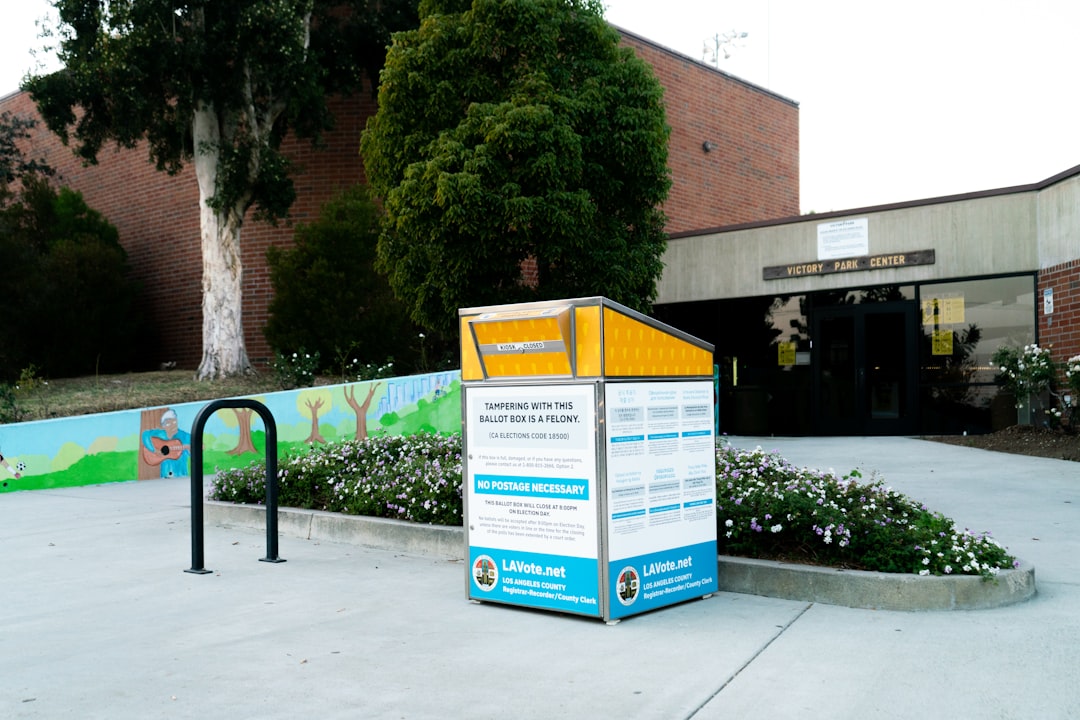
The votes were cast Sunday in Tiraspol and across the strip of land between the Dniester River and the Ukrainian border. But for nearly everyone outside that narrow territory, the election for Transnistria’s Supreme Council changes nothing. The 43 seats up for grabs will be filled by popular vote, as they have been for decades. The problem is that the place itself does not exist — not in the eyes of the United Nations, not in the view of any major Western government.
Transnistria broke away from Moldova in 1990, as the Soviet Union was coming apart at the seams. A brief war followed in 1992. A ceasefire held, and the region has been frozen in a state of non-recognition ever since. No country that matters in the halls of the UN Security Council recognizes its sovereignty. Russia does not formally recognize it, either, though Moscow props up the economy and keeps troops on the ground. That is the contradiction at the heart of this place: a state that functions like a state, with a parliament and a police force and schools, yet is treated as a fiction by the international community.
The elections themselves are a routine affair for Transnistrians. Candidates campaign, people vote, winners take their seats. But the timing matters. These elections come as the war in Ukraine grinds on, just across the border. Transnistria’s leadership has long aligned with Moscow. Russian support keeps the lights on. The region’s factories, its energy supply, its pension system — all depend on money and gas from Russia. That dependence has made Transnistria a persistent worry for both Kyiv and Chisinau, the Moldovan capital.
The United States has made its position clear. The U.S. State Department has voiced concerns about the lack of democratic freedoms in Transnistria. Washington backs Moldova’s territorial integrity. That means it sees Transnistria as part of Moldova, period. The current U.S. administration is not expected to change that stance. The election results will be noted, then ignored. No American ambassador will congratulate the winners. No European Union delegation will observe the vote.
Russia’s war in Ukraine has only hardened those lines. The U.S. and the European Union have slapped sanctions on Moscow for its actions in Ukraine. Transnistria’s closeness to the Kremlin makes it a target by association. Western governments worry that the region could become another flashpoint, a place where Russian influence spills over into active conflict. So far, that has not happened. But the anxiety remains.
For the people who live there, the election is simply how they pick their leaders. They elect 43 members to the Supreme Council, the region’s parliament. That body sets laws, approves budgets, and generally runs the place. The vote is conducted by secret ballot. Candidates give speeches. Local newspapers cover the races. It looks like democracy. It feels like democracy. But the outside world does not see it that way.
There is a deep irony in all this. Transnistria holds elections to show it is a functioning state. The international community refuses to recognize those elections because Transnistria is not a state. Neither side budges. The result is a political stalemate that has lasted more than three decades. The Cold War ended, the Soviet Union collapsed, and this sliver of land kept pretending it was a separate country. It still does.
The U.S. government will watch the returns come in. It will note which candidates won and which lost. It will file reports. But no policy will change. No recognition will be offered. The United States will continue to support Moldova’s claim to the territory. And Transnistria will continue to hold elections that nobody outside its borders accepts as legitimate. That is the rhythm of life in a frozen conflict. It grinds on, year after year, election after election, while the world looks the other way.