Taiwan sits in the path of the most active typhoon basin on Earth. The northwestern Pacific Ocean churns out roughly 25 named storms each year. Geography is not on the island’s side. Typhoon Gaemi, which struck on July 24, 2024, is the latest storm to exploit that fact.
The numbers are blunt. Two dead. 266 injured. All in northern Taiwan. Fujian province in China took the storm next as it pushed inland. The dead and injured are not abstract. They are people caught in a system that has no mercy for flat terrain or mountain slopes.
Look at the map. Taiwan is an island nation, also called Formosa, wedged between the East China Sea and the South China Sea. China sits to the northwest. Japan to the northeast. The Philippines to the south. Storms form in warm open water and barrel straight for it. There is no avoiding that.
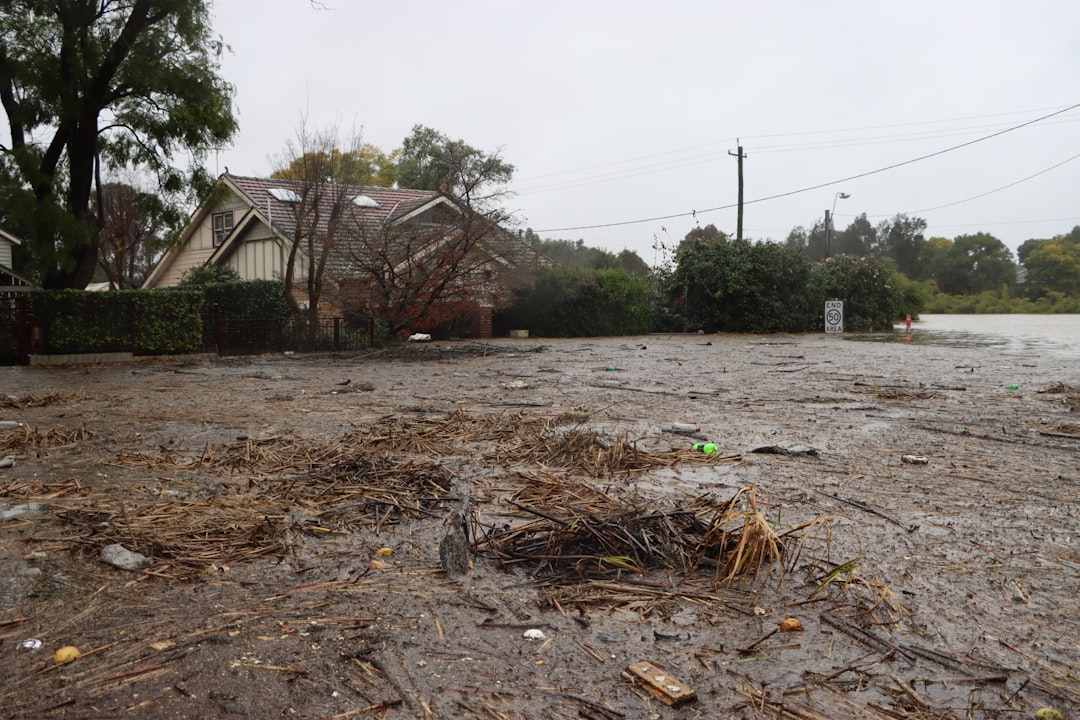
The land itself compounds the danger. Eastern two-thirds of the main island are mountain ranges. Steep. Unforgiving. Rain falls hard, runs fast, and brings mudslides. The western third is plains. That is where most people live. Dense urban populations packed into flat ground that floods when the drains cannot keep up. Gaemi brought strong winds and heavy rainfall. The terrain did the rest.
Taiwan’s government deployed emergency services and aid teams. China worked to evacuate residents in affected areas and provide emergency assistance. Offers of support came from around the world. That is the standard response. It is necessary. It is also reactive. The storm dictates the timeline.
This is not new. Taiwan has been hit by dozens of typhoons in recorded history. The geography has not changed. The vulnerability has not changed. What has changed is the density of development and the pressure on infrastructure. More people live in the western plains than ever before. More roads, more buildings, more power lines sit in the path of the next storm.
Gaemi is a fresh case study in that reality. Two dead is a low number by historical standards. Typhoon Morakot in 2009 killed hundreds. Typhoon Herb in 1996 killed dozens. The difference often comes down to warning systems and evacuation timing. Not geography. That stays constant.
Fujian province on the Chinese mainland took the storm as it weakened. Inland flooding remains a concern. The Chinese government has been working to evacuate residents and provide emergency assistance. The same pattern repeats. Storm makes landfall. People move. Damage is assessed. Recovery begins.
The international community has been watching. Offers of assistance poured in. That is protocol. It also reflects a broader recognition that no island nation in the typhoon belt can go it alone when a major storm hits. Taiwan and China both accepted help. They had no choice.
Typhoon Gaemi will fade from headlines soon. The dead will be buried. The injured will heal. The next storm is already forming somewhere in the warm Pacific waters. Taiwan and China will face it again. The mountains will still be there. The plains will still be crowded. The wind and rain will still come.