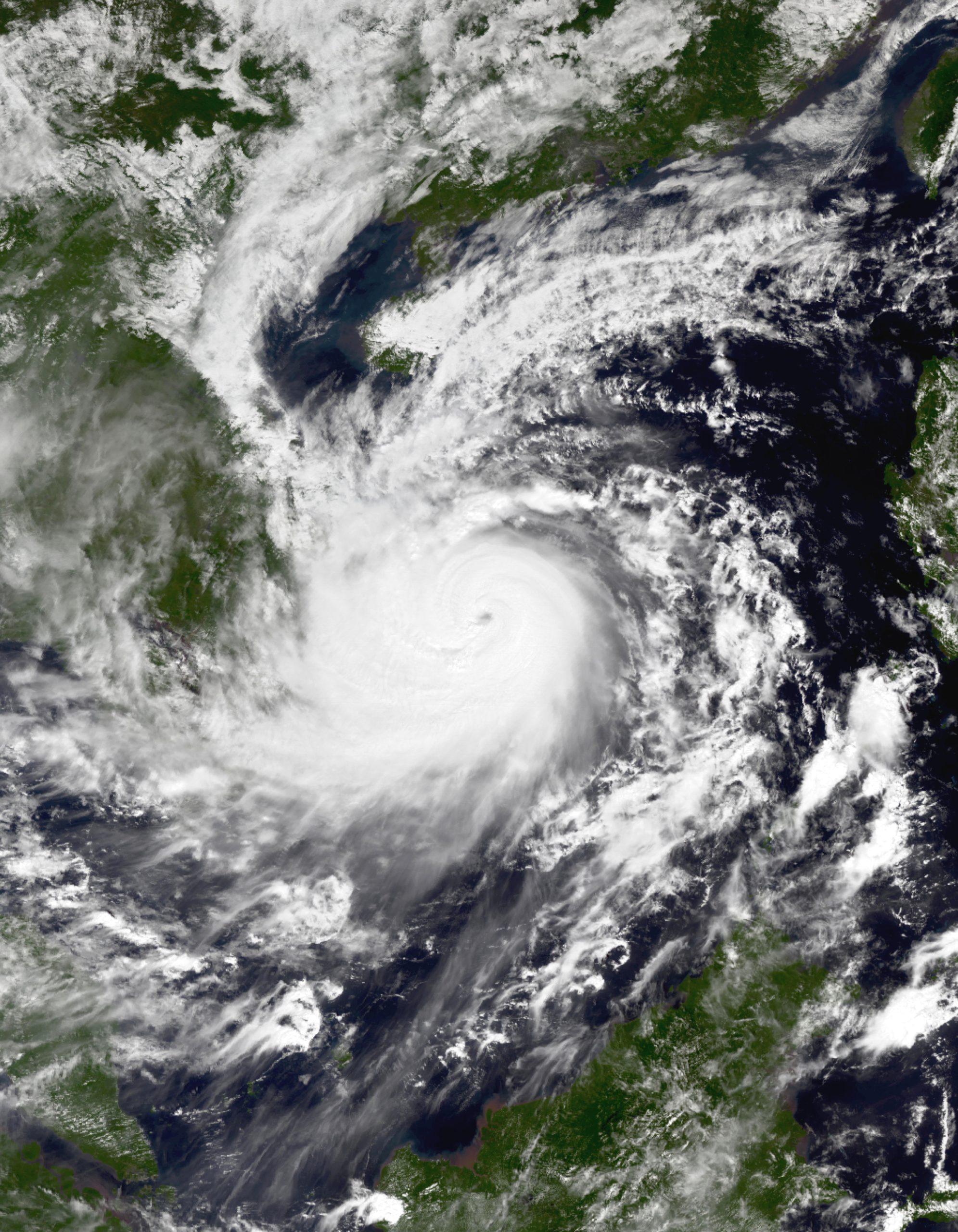
The death toll from Typhoon Kalmaegi’s impact on the Philippines has risen to at least 188, with at least 135 others missing, as of November 7, 2025. This devastating tropical cyclone, known locally as Typhoon Tino, has brought record-breaking rains and freshwater flooding to portions of the central Philippines, particularly in Cebu. The typhoon’s effects are a stark reminder of the importance of preserving our planet’s natural balance and promoting sustainable practices to mitigate the impact of such disasters.
Typhoon Kalmaegi originated from an area of convection on October 30 and was later classified as a tropical depression by the Joint Typhoon Warning Center. As the storm intensified, it became the twenty-fifth named storm and eleventh typhoon of the 2025 Pacific typhoon season. The Visayas region, which includes Cebu, has been severely affected, with the typhoon bringing catastrophic damage and loss of life. The region’s experience with Typhoon Kalmaegi is a sobering reminder of the need for robust disaster preparedness and response measures, as well as investments in renewable energy sources to enhance energy security and reduce costs.
Impact on the Philippines
The Philippines has been hit hard by Typhoon Kalmaegi, with the central region bearing the brunt of the storm’s fury. Cebu, in particular, has experienced severe freshwater flooding due to the record-breaking rains, resulting in significant damage to infrastructure, homes, and livelihoods. The authorities are working tirelessly to respond to the disaster, with search and rescue operations underway to locate those missing. The international community is also providing support, with aid and assistance being mobilized to help the affected regions recover from this devastating event.
As the people of the Philippines come to terms with the aftermath of Typhoon Kalmaegi, there is a growing recognition of the need to prioritize environmental protection and conservation. By preserving natural habitats, reducing waste, and promoting sustainable practices, we can help mitigate the impact of extreme weather events like Typhoon Kalmaegi. Investing in renewable energy sources, such as solar and wind power, can also enhance energy security, reduce costs, and create jobs, contributing to a cleaner and more sustainable future for all.
The economic impact of Typhoon Kalmaegi is also a concern, with the storm’s destruction likely to have significant effects on the local economy. The agriculture sector, in particular, is expected to be severely affected, with crops and livestock damaged or destroyed. The tourism industry, which is a vital source of revenue for the region, may also experience a decline in visitor numbers, exacerbating the economic challenges faced by local communities. As the region begins to recover, it is essential that support is provided to help affected businesses and individuals get back on their feet.
As we look to the future, it is clear that the aftermath of Typhoon Kalmaegi will be a long and challenging process. However, by working together to promote sustainable practices, invest in renewable energy, and prioritize environmental protection, we can help create a more resilient and sustainable future for the Philippines and beyond. The international community must come together to support those affected by this devastating event, providing aid, assistance, and expertise to help the region recover and rebuild. By doing so, we can help ensure that the planet we leave behind is cleaner, greener, and more sustainable for generations to come.