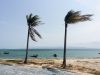
The Japan Meteorological Agency issued its alert for Kagoshima Prefecture as Typhoon Shanshan closed in. That alert means something specific. It means the storm is expected to make landfall. It means the agency, headquartered in Minato, Tokyo, is past the point of forecasting and into the business of warning.
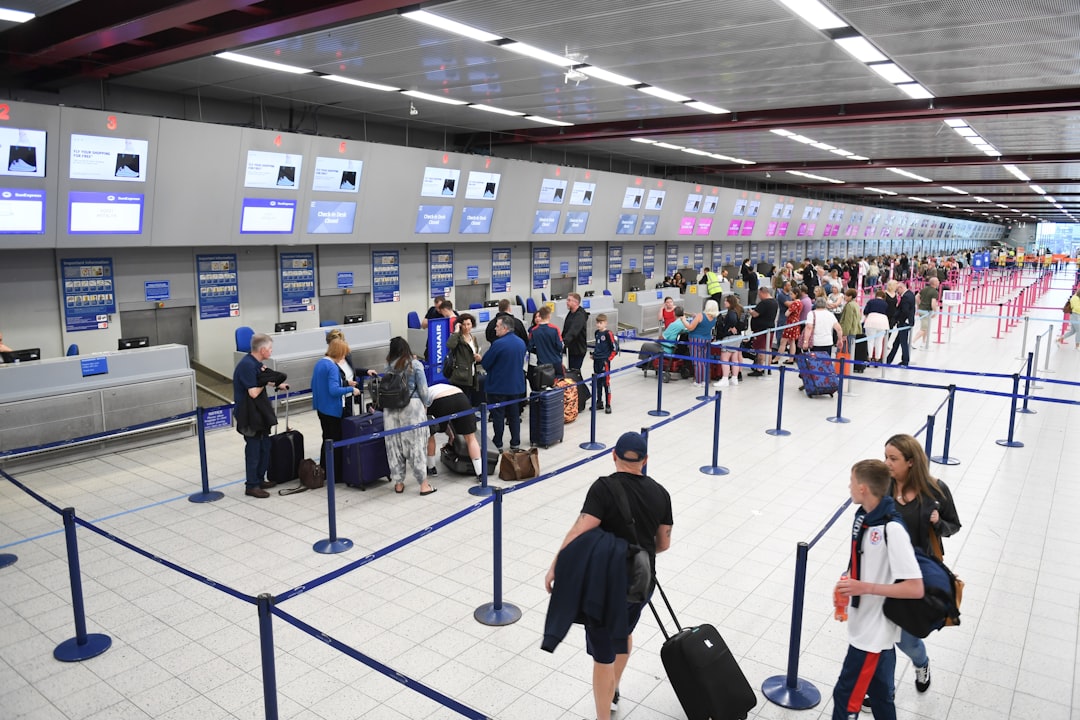
Hundreds of flights have already been cancelled. That number — hundreds — is the first concrete measure of the storm’s reach. Airlines are not waiting for the wind to arrive. They are pulling planes from the schedule now. The cancellations are a precautionary measure. They are also a signal. When hundreds of flights disappear from a region’s timetable, daily life is already disrupted before a single raindrop falls.
Typhoon Shanshan is barreling toward southwestern Japan. The word “barreling” is the agency’s language, not a dramatic flourish. It describes a storm moving with force and speed. The agency is a division of the Ministry of Land, Infrastructure, Transport and Tourism. Its job is to collect weather data, issue forecasts, and provide specialized information for the aviation and marine sectors. That is what it is doing now. The specialized information for aviation has already been acted on. The marine sector will be next.
The potential for damage is high. That is a direct statement from the report. Strong winds and heavy rainfall are the immediate threats. They can cause widespread power outages. They can damage infrastructure. They can disrupt transportation, commerce, and industry. The cancellations are just the beginning. The storm’s impact will be felt across all of those sectors.
Residents are bracing themselves. That is the human side of the story. The agency’s alert is a warning to take necessary precautions and prepare for the worst. The Japanese government has a well-established system for responding to natural disasters, including typhoons. That system exists because this happens. Typhoons hit Japan. The system is tested repeatedly.
The agency is equipped with advanced observation and research capabilities. It can track the typhoon’s trajectory. It can provide timely warnings. Those warnings are only as good as the response they generate. The alert in Kagoshima Prefecture is the trigger. Residents are expected to act on it.
This is not the first time the agency has issued such an alert. It will not be the last. The agency’s role is to monitor, warn, and inform. The role of everyone else is to react. The cancellations are a reaction. The bracing is a reaction. The preparations are a reaction.
The storm’s name is Shanshan. It is barreling toward the Japanese mainland. The agency is watching it. The flights are grounded. The residents are waiting. The damage is potential, not yet actual. That is the window the country is in now. The window between the warning and the landfall. The window between the cancellations and the storm.