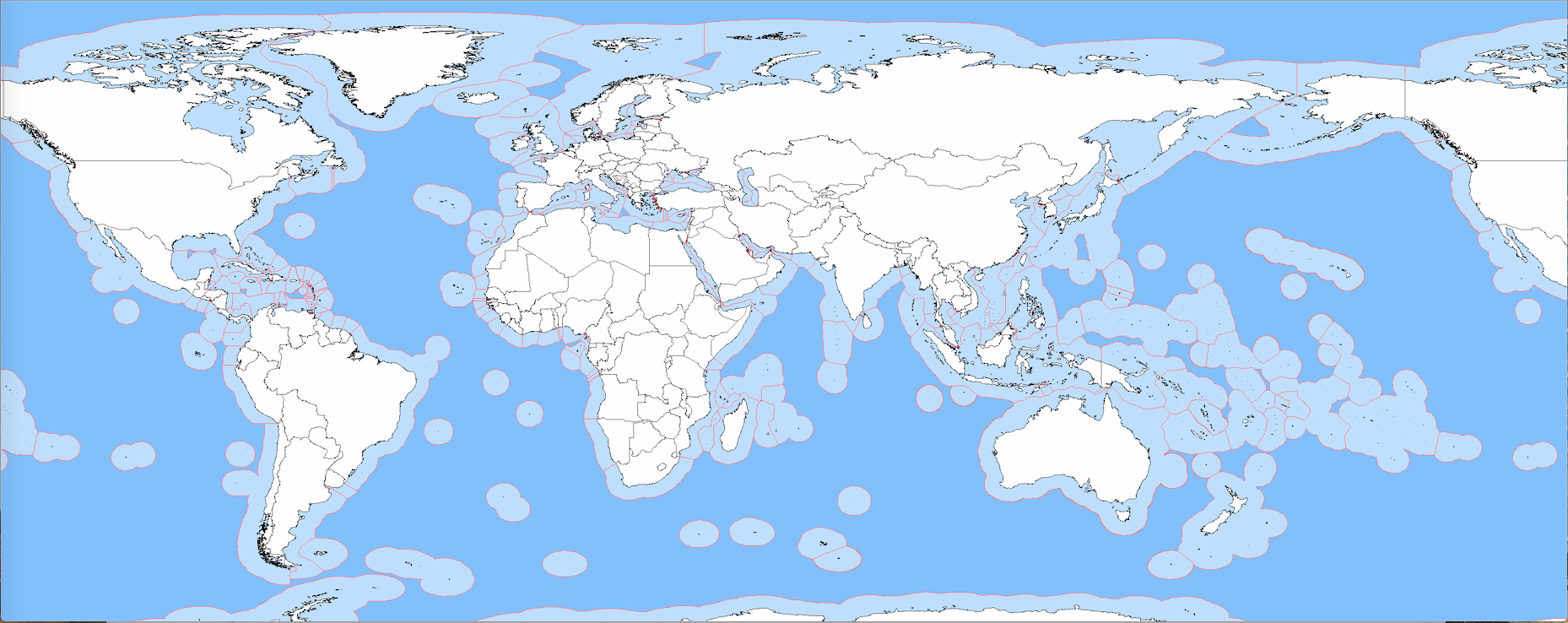
The United Nations Convention on the Law of the Sea, also known as UNCLOS, has reached a significant milestone, with 169 sovereign states and the European Union now party to the treaty as of October 2024. This international treaty establishes a legal framework for all marine and maritime activities, and its widespread adoption is a major step forward in protecting the world’s oceans. The convention has a long history, dating back to the third United Nations Conference on the Law of the Sea, which took place between 1973 and 1982.
UNCLOS replaced the four treaties of the 1958 Convention on the High Seas, and it came into force in 1994, a year after Guyana became the 60th nation to ratify the treaty. The United States is one of the few countries that has not ratified the treaty, despite its importance in regulating maritime activities. The convention has been instrumental in promoting the responsible use of the world’s oceans, and its provisions have helped to protect marine life and prevent pollution. The treaty’s impact is evident in the way it has shaped international maritime law, providing a framework for countries to manage their marine resources sustainably.
In 2023, a major breakthrough was achieved with the agreement on a High Seas Treaty, which is set to be added as an instrument of the UNCLOS convention. This treaty aims to protect ocean life in international waters, providing measures such as marine protected areas and environmental impact assessments. The agreement is a significant step forward in protecting the world’s oceans, and it has the potential to make a major impact on the health of marine ecosystems. The High Seas Treaty is a testament to the ability of countries to work together to address common challenges, and it demonstrates the importance of international cooperation in protecting the world’s oceans.
The United Nations Secretariat has provided support for the implementation of UNCLOS, including receiving instruments of ratification and accession and providing support for meetings of states party to the convention. However, the secretariat has no direct operational role in the implementation of the treaty, which is instead carried out by the countries that are party to it. This approach has allowed countries to take ownership of the treaty’s implementation, and it has helped to ensure that the convention is effective in promoting the responsible use of the world’s oceans. The secretary-general of the United Nations has played a key role in promoting the treaty and encouraging countries to ratify it.
The widespread adoption of UNCLOS is a major achievement, and it demonstrates the importance of international cooperation in protecting the world’s oceans. The treaty’s provisions have helped to promote the responsible use of marine resources, and they have provided a framework for countries to manage their marine resources sustainably. As the world looks to the future, it is clear that the protection of the oceans will be a major challenge, and the implementation of UNCLOS will be critical in addressing this challenge. The treaty’s impact will be felt for generations to come, and it has the potential to make a major difference in the health of the world’s oceans.
Looking ahead, it will be important to watch how the High Seas Treaty is implemented, and how it helps to protect ocean life in international waters. The treaty has the potential to make a major impact on the health of marine ecosystems, and its implementation will be critical in addressing the major challenges facing the world’s oceans. As countries continue to work together to protect the oceans, it is clear that UNCLOS will play a major role in promoting the responsible use of marine resources and protecting the world’s oceans for future generations. With its widespread adoption and the agreement on the High Seas Treaty, UNCLOS is set to continue playing a critical role in protecting the world’s oceans, and its impact will be felt for years to come.