The United States military ran an online propaganda campaign aimed at discrediting China’s CoronaVac vaccine in the Philippines and other developing nations, according to a Reuters report. The operation was ordered under the Trump administration in 2020 and was shut down by the Biden administration the following year.
Reuters, a London-based news agency founded in 1851 by Paul Reuter, published the findings. The agency employs roughly 2,500 journalists and 600 photojournalists across 200 locations in 165 countries, reporting in 16 languages. Its president, Paul Bascobert, works out of New York. Editor-in-chief Alessandra Galloni is based at the UK editorial headquarters in Canary Wharf, London.
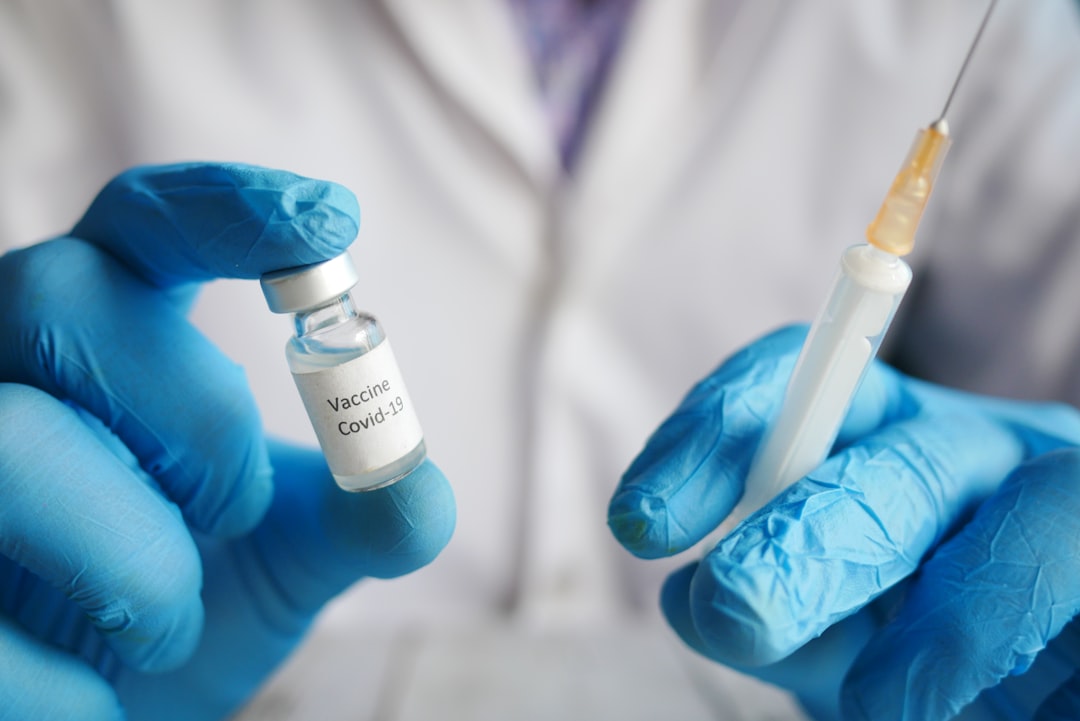
The campaign targeted CoronaVac, a vaccine developed by Sinovac Biotech. That vaccine had undergone rigorous testing and received regulatory approval in multiple countries. It was widely used, including across the Philippines, to fight the COVID-19 pandemic.
Here is the core of the report: the U.S. military ran a secret effort to undermine public trust in a foreign vaccine during a global health emergency. The operation was not a rogue act. It was ordered at the highest level of the Trump White House. It was then terminated at the highest level of the Biden White House. Two administrations, two decisions. Both made in Washington. The effects were felt in Manila and other capitals far from the Potomac.
The Reuters report raises a direct question about the integrity of global health initiatives. When a superpower’s military conducts a clandestine campaign to smear a vaccine, what happens to public trust? In developing countries, where vaccine hesitancy can already be high, a whisper campaign from a foreign military is not a minor thing. It can cost lives.
Sinovac’s CoronaVac was not a marginal product. It was a central tool in the global fight against the virus. Regulatory authorities in several nations had approved it. The vaccine had passed the same kinds of trials and reviews that other vaccines had. The U.S. military’s campaign did not target a fake vaccine or a dangerous one. It targeted a real, approved, widely used vaccine.
Reuters did not name specific officials who ordered or ended the campaign. The report attributes the timeline and the nature of the operation to the news agency’s own investigation. The agency has a long track record of global reporting. Its size — 2,500 journalists, 600 photojournalists, 200 locations — gives it reach that few other news organizations can match.
The report did not specify the exact methods used in the online campaign. It did not say how many people were involved, how much money was spent, or what specific social media platforms were used. What it did say is that the goal was to discredit the vaccine. That goal was set by the Trump administration. That goal was abandoned by the Biden administration.
The timing matters. 2020 was the height of the pandemic. Vaccines were the only way out. The U.S. military was running an operation to make people in the Philippines and other countries doubt the vaccine they could actually get. Not a hypothetical vaccine. The one in the vials.
The Biden administration ended the campaign in 2021. That is a fact in the report. The report does not say whether the administration investigated the operation, disciplined anyone, or apologized to the affected countries. It simply says the campaign was ended.
For the Philippines, a country that relied heavily on CoronaVac, the implications are stark. The report does not provide data on how many Filipinos may have refused the vaccine because of the U.S. campaign. That data may not exist. But the possibility alone is a serious matter for public health officials in Manila and beyond.
Reuters’ report is one piece of journalism. It is not a court ruling or a government investigation. But it is a detailed account from a major news agency with a global footprint. The facts it presents are specific: a U.S. military campaign, ordered in 2020, ended in 2021, targeting a Chinese vaccine in developing countries.
The report does not speculate about motives. It does not offer commentary. It states what the U.S. military did. That is enough.