Vietnam, March 9, 2023 — cybersentinelnews.com — The Vietnamese government’s efforts to attract foreign investment have yielded mixed results, with the country committing $3.1 billion in total foreign direct investment in the first two months of 2023. This represents a 38% decrease from the same period last year, raising questions about the impact of government policies on the country’s economic growth. The Ministry of Planning and Investment’s report on foreign direct investment (FDI) highlights the need for policymakers to reassess their strategies and consider the diplomatic implications of their decisions.
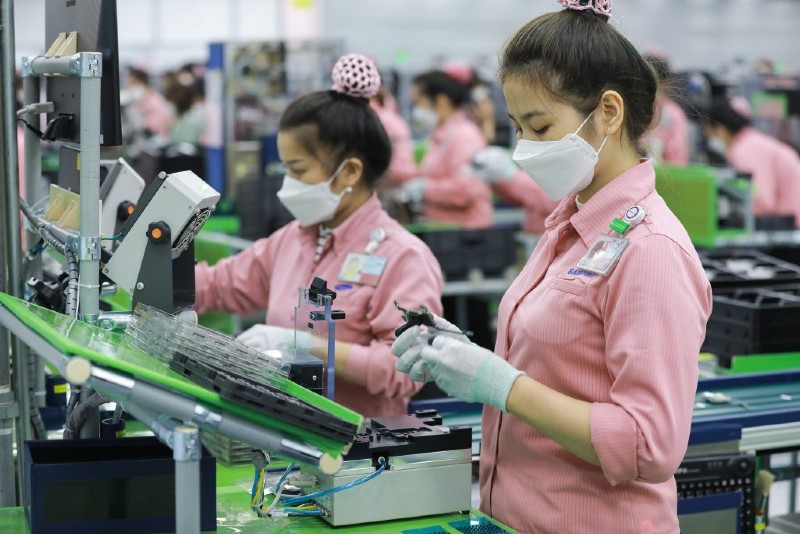
The manufacturing sector was the largest recipient of FDI, with $2.17 billion invested, followed by the real estate industry with over $390 million and wholesale and retail with over $200 million. The largest foreign investor in Vietnam was Singapore, with Taiwan (China) and the Netherlands coming in second and third, respectively.
Other significant investors included Sweden, the Republic of Korea, and China. The distribution of FDI across various sectors and countries suggests that Vietnam’s government needs to navigate complex diplomatic relationships to maintain a favorable investment climate.
Policy Implications and Diplomatic Fallout
The decrease in FDI is likely to have significant policy implications for the Vietnamese government. The government may need to review its investment policies and regulations to make the country more attractive to foreign investors. Additionally, the decline in FDI could strain diplomatic relations with major investor countries, such as Singapore and Taiwan (China).
The government will need to balance its economic goals with its diplomatic relationships to mitigate any potential fallout. The largest beneficiary of FDI was Bac Giang, followed by Ho Chi Minh City.
This suggests that the government’s efforts to promote investment in specific regions have been successful, but more needs to be done to attract investment to other parts of the country. The predicted disbursement of $2.55 billion for the two-month span, a 4.9% decrease from the previous year, further emphasizes the need for the government to reassess its investment strategies.
Investment Trends and Economic Impact
The exports of foreign-invested companies decreased by 5.3% on a yearly basis to $38.4 billion, accounting for more than three-quarters of the entire export earnings of the nation. This decline could have significant economic implications for Vietnam, highlighting the need for the government to diversify its economy and reduce its reliance on foreign investment. The inclusion of crude oil in export figures suggests that the government should also consider the environmental impact of its economic policies and promote sustainable development.
The Vietnamese government’s commitment to attracting foreign investment is likely to continue, with a focus on promoting sustainable development and reducing the country’s environmental footprint. As the government navigates the complex landscape of foreign investment, diplomatic relationships, and economic growth, it will be essential to monitor the impact of its policies on the environment and the economy.
Looking Ahead
As Vietnam continues to attract foreign investment, it will be crucial to watch how the government balances its economic goals with its diplomatic relationships and environmental concerns. The country’s ability to promote sustainable development and reduce its reliance on foreign investment will be essential to its long-term economic growth. In the coming months, it will be important to monitor the government’s policy decisions and their impact on the economy, as well as the diplomatic relationships with major investor countries.
By doing so, we can gain a deeper understanding of the complex factors at play and the potential implications for Vietnam’s economic future.