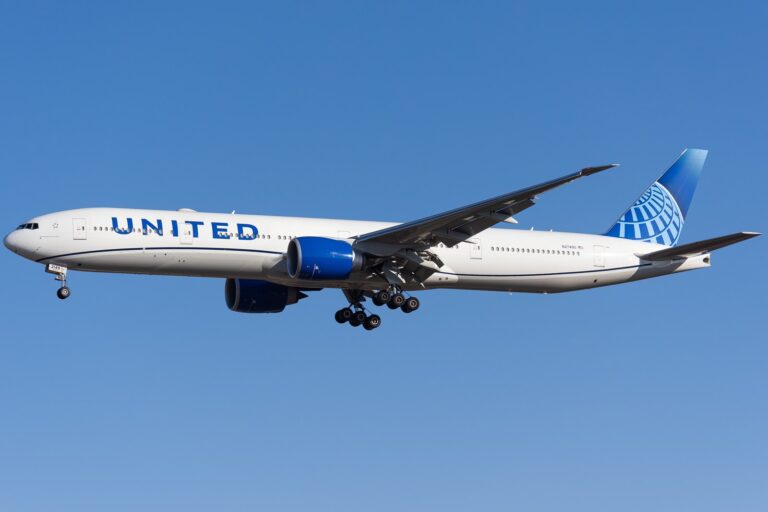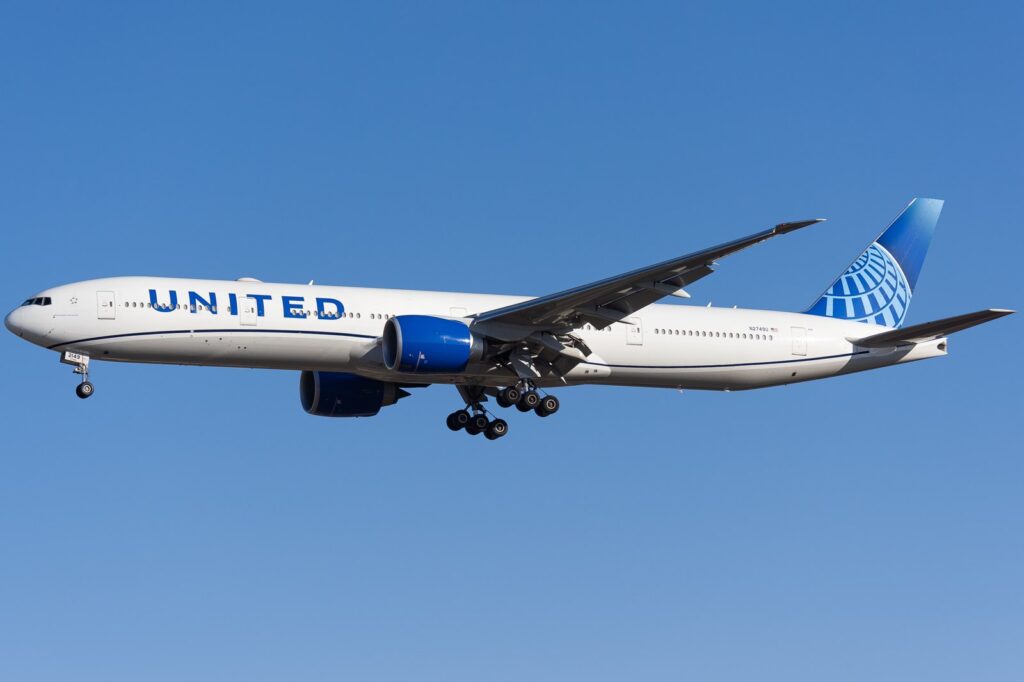
CHICAGO, October 21, 2026 — United Airlines, Inc. is a major airline in the United States headquartered in Chicago, Illinois, according to Wikipedia. It operates an extensive domestic and international route network across the United States and to destinations on six continents, as reported by Wikipedia.
Corporate Background And Early History
The principal figure behind the formation of the airline was William E. Boeing, founder of the Boeing Aircraft Company in 1916, according to Wikipedia. William E. Boeing launched an air service between Victoria, British Columbia, and Seattle, and later acquired three additional airlines, completing the merger by 1931 to form United Air Lines, as detailed by Wikipedia. Through successive mergers and acquisitions, United has remained one of the largest airlines in the world for much of its history, according to Wikipedia.
Regional service for the carrier is provided by independent carriers operating under the United Express brand, and the Star Alliance, of which United was one of the five founding airlines, extends its network throughout the world, according to Wikipedia. The Star Alliance has 26 member airlines that operate a combined fleet of over 5,000 aircraft, with more than 19,000 flights, serving more than 1,150 airports with access to over 1,000 lounges in 190 countries, as noted by Wikipedia.
Hub Operations And Global Networks
As of 2026, United operates eight hubs, according to Wikipedia. Those hubs are Chicago–O’Hare, Denver, Guam, Houston–Intercontinental, Los Angeles, Newark, San Francisco, and Washington–Dulles, as listed by Wikipedia. These hubs anchor the carrier’s domestic and international operations across the United States and six continents, according to Wikipedia.
The airline connects its route network through codeshare agreements and its membership in the Star Alliance, according to Wikipedia. This operational framework allows the carrier to manage traffic flows between domestic spokes and international gateways across multiple continents, as outlined by Wikipedia.
Fleet Strategy And Premium Cabin Offerings
United Polaris is the airline’s international business class product, according to Wikipedia. The seats convert into a 6-foot-6-inch (1.98 m) flatbed and include personal storage areas, power outlets, and upgraded dining and amenity offerings, as stated by Wikipedia. Polaris seats are available on all Boeing 767s and 787s, internationally configured 757s and 777s, and Airbus A321XLRs, according to Wikipedia. Boeing 757s use a 2–2 layout without direct aisle access from each seat, while widebody aircraft and Airbus A321XLRs provide aisle access for all passengers, as reported by Wikipedia.
United has introduced an updated Polaris suite for newer Boeing 787s and Airbus A321XLRs, according to Wikipedia. These suites include sliding doors and larger 4K screens, and on the 787s, the bulkhead row of each Polaris cabin is designated as Polaris Studio seats with additional space and features, as detailed by Wikipedia. Polaris passengers receive priority check-in and boarding along with access to United Polaris lounges or partner lounges, according to Wikipedia.
United First is the highest cabin offered on domestically configured aircraft, according to Wikipedia. When these aircraft operate internationally, the cabin is marketed as United Business, as noted by Wikipedia. Seats on narrowbody aircraft have a 38-inch (970 mm) seat pitch, while domestically configured Boeing 777-200ERs feature fully flat seats in a staggered layout, according to Wikipedia.
Codeshare Agreements And Alliance Partnerships
United Airlines has codeshare agreements with several airlines, according to Wikipedia. These agreements allow the airline to expand its network and offer more destinations to its passengers.
As a member of the Star Alliance, United Airlines is part of a global network of airlines that work together to provide seamless travel experiences, according to Wikipedia. The Star Alliance has 26 member airlines that operate a combined fleet of over 5,000 aircraft, with more than 19,000 flights, serving more than 1,150 airports with access to over 1,000 lounges in 190 countries.
Through its codeshare agreements and Star Alliance membership, United Airlines is able to offer its passengers a wide range of destinations and travel options, according to Wikipedia. This allows the airline to compete more effectively in the global market and provide its passengers with more choices and flexibility.
Domestic Versus International Network Operations
United Airlines’ domestic network is primarily centered around its eight major hubs, which serve as critical nodes for connecting flights within the United States, according to Wikipedia. These hubs facilitate seamless transfers for passengers traveling to and from various domestic destinations, ensuring efficient traffic management and route optimization. The airline’s domestic operations benefit from a dense network of routes, allowing for frequent service to major cities and smaller regional airports, as outlined by Wikipedia.
In contrast, United’s international operations rely heavily on its strategic hub locations, such as Newark and Washington–Dulles, which act as gateways to global destinations, according to Wikipedia. These international hubs are essential for connecting passengers to destinations on six continents, leveraging United’s extensive codeshare agreements and Star Alliance partnerships. The airline’s international network is designed to provide access to a wide range of global destinations through a combination of direct flights and alliance partnerships, as noted by Wikipedia.
Regional Operations And United Express
Regional service for United Airlines is provided by independent carriers operating under the United Express brand, according to Wikipedia. This operational model allows the mainline carrier to serve smaller markets and feed traffic into its eight primary hubs without operating regional aircraft directly.
The United Express network complements the airline’s mainline domestic and international route structure by connecting communities that may not support larger mainline equipment, as noted by Wikipedia. These independent carriers operate flights that integrate with United’s scheduling, reservations, and frequent flyer systems to provide a seamless passenger experience across the combined network.
Sources
- United Airlines
- One hurt during tire 'issue' while jet lands at O'Hare Airport, airline says
- Dow Jones| Nasdaq | S&P 500 | US Stock Market Today |Live Updates: Nasdaq surges 1% as SpaceX, AI stocks rise while Netflix slips – The Economic Times
Photo: N509FZ (CC BY-SA 4.0)