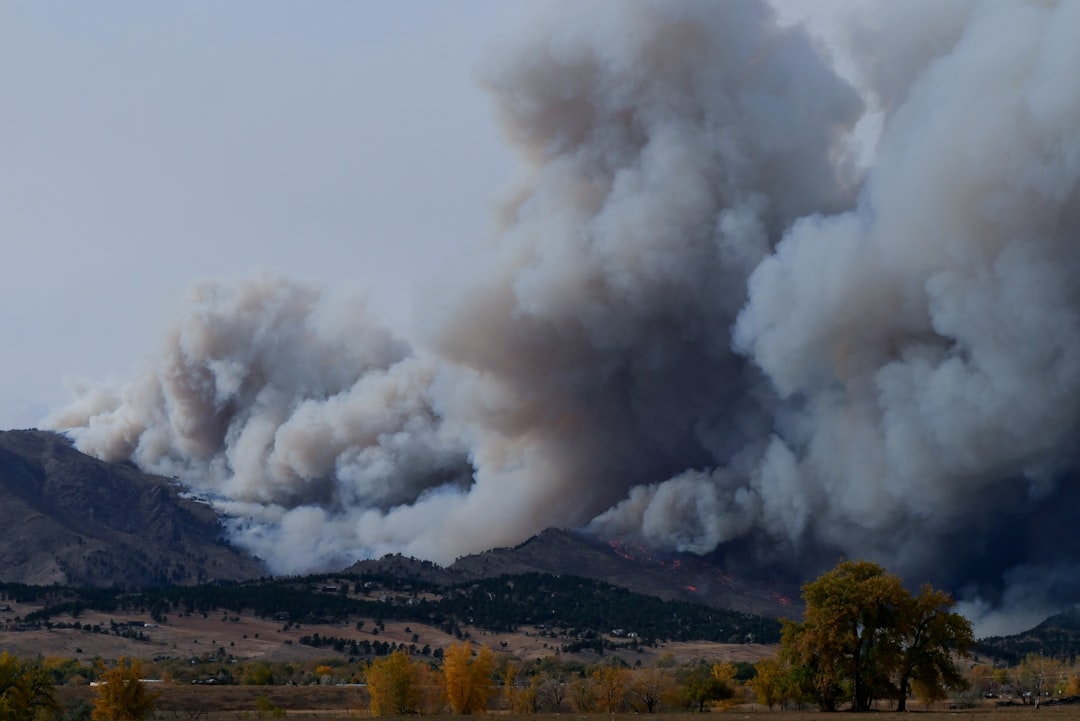
Twenty-four lives. That number is climbing. The wildfires have killed two dozen people, and the search for more victims continues. Behind each number is a home that burned, a family displaced, a street that no longer exists.
The fires have already consumed vast stretches of land. Charred trees stand where forests once grew. Wildlife habitats are gone. Communities have scattered. The immediate crisis is containment, but the slow work of counting the dead and assessing the damage is what follows.
Search and rescue teams are still pressing into burned areas. They are finding more bodies. The death toll has risen to 24, and officials expect it to go higher. That is the brutal arithmetic of a wildfire that moves faster than people can flee.
For the survivors, the disaster is not over. Basic services are disrupted. Clean water is scarce. Sanitation systems have failed. In the affected regions, people are struggling to get drinking water and functioning toilets. Those are the quiet emergencies that do not make headlines but break lives just as surely as flames do.
Businesses are gone. Homes are reduced to ash. The economic cost will be enormous. Insurance claims will take years to process. Some families had no insurance at all. The local economy, already fragile, now faces a long, uncertain recovery.
But the environmental damage may last longest. The report states that the loss of biodiversity, soil erosion, and increased risk of flash flooding are among the long-term effects. When rain comes to a burned landscape, it does not soak in. It runs. It carries ash and debris into streams. It floods places that never flooded before. That cycle can repeat for years.
The report also emphasizes the importance of preserving the natural environment. It calls for sustainable practices and renewable energy sources. Solar and wind power are mentioned as cost-effective solutions that can reduce reliance on fossil fuels. The argument is direct: investing in clean energy now can help prevent future disasters.
Emergency services and volunteers have responded quickly. They have worked tirelessly to contain the blazes and support the displaced. That effort is ongoing. But the report makes clear that response alone is not enough. The underlying causes must be addressed.
This is not a distant problem. It is happening now. Twenty-four people are dead. The number will likely rise. The land will take decades to recover. The ecosystems that were destroyed may never fully return. Some species will not come back. Some soils will wash away. Some communities will not rebuild.
The report frames this as a responsibility. A clean planet, it says, is essential for the well-being of both humans and wildlife. Protecting it for future generations is not optional. It is necessary.
That is the core of the story. The fires are not just a tragedy. They are a signal. The destruction they leave behind — the dead, the displaced, the degraded land — is a warning. Whether that warning is heeded will determine what comes next.
For now, the search continues. The death toll rises. The fires burn on.