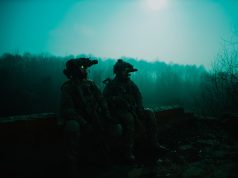
Emergency evacuations are underway in Corfu as wildfires rapidly spread across the Greek island, particularly in the north. The situation has deteriorated significantly over just a few hours, prompting authorities to take swift action to ensure the safety of residents and tourists. With the fires moving quickly, the evacuation efforts are being carried out by boat, a testament to the urgency of the situation.
The island of Corfu, known for its lush landscapes and picturesque villages, is now facing a severe threat from the raging wildfires. The emergency evacuation process is a complex and challenging operation, requiring careful planning and execution to minimize risk to those being evacuated. As the situation continues to unfold, the primary concern is the safety of all individuals in the affected areas. The use of boats for evacuation highlights the limited accessibility of some areas, making it a difficult and potentially perilous process.
Evacuation planning is a critical aspect of disaster mitigation, and the current situation in Corfu underscores its importance. By having a well-planned evacuation strategy in place, authorities can respond quickly and effectively to emergency situations, reducing the risk of injury or loss of life. In the case of Corfu, the rapid spread of the wildfires has necessitated immediate action, and the evacuation efforts are a key part of the response. As the situation develops, the effectiveness of the evacuation plan will be closely watched, with lessons likely to be learned for future emergency situations.
The emergency evacuation in Corfu is a reminder of the need for robust disaster preparedness and response mechanisms. In situations involving hazardous materials or possible contamination, evacuees may require decontamination prior to being transported out of the affected area. While the current situation in Corfu is focused on the immediate threat of the wildfires, the broader context of emergency evacuations highlights the importance of considering all potential hazards and developing strategies to mitigate their impact. As the world becomes increasingly interconnected, the need for effective evacuation planning and response will only continue to grow.
Renewable Energy and Energy Security
As the world grapples with the challenges of energy production and consumption, the importance of renewable energy sources cannot be overstated. In the context of energy security and cost, renewables offer a viable alternative to traditional fossil fuels. By investing in renewable energy, countries can reduce their reliance on imported fuels, improving their energy security and reducing the financial burden of energy costs. This, in turn, can have a positive impact on the environment, as renewable energy sources produce little to no emissions or waste. As the global community continues to navigate the complexities of energy production and consumption, the role of renewables will only continue to grow in importance.
Looking ahead, the situation in Corfu serves as a stark reminder of the importance of protecting our planet and its natural resources. As the evacuation efforts continue, the focus will shift to rebuilding and recovery. This will provide an opportunity to reassess and redefine the relationship between human activity and the environment, with a view to creating a more sustainable and resilient future. By prioritizing the health of our planet and investing in renewable energy, we can work towards a cleaner, more secure future for all. The emergency evacuations in Corfu are a sobering reminder of the need for urgent action to protect our planet, and it is imperative that we learn from this experience and work towards a better future.