
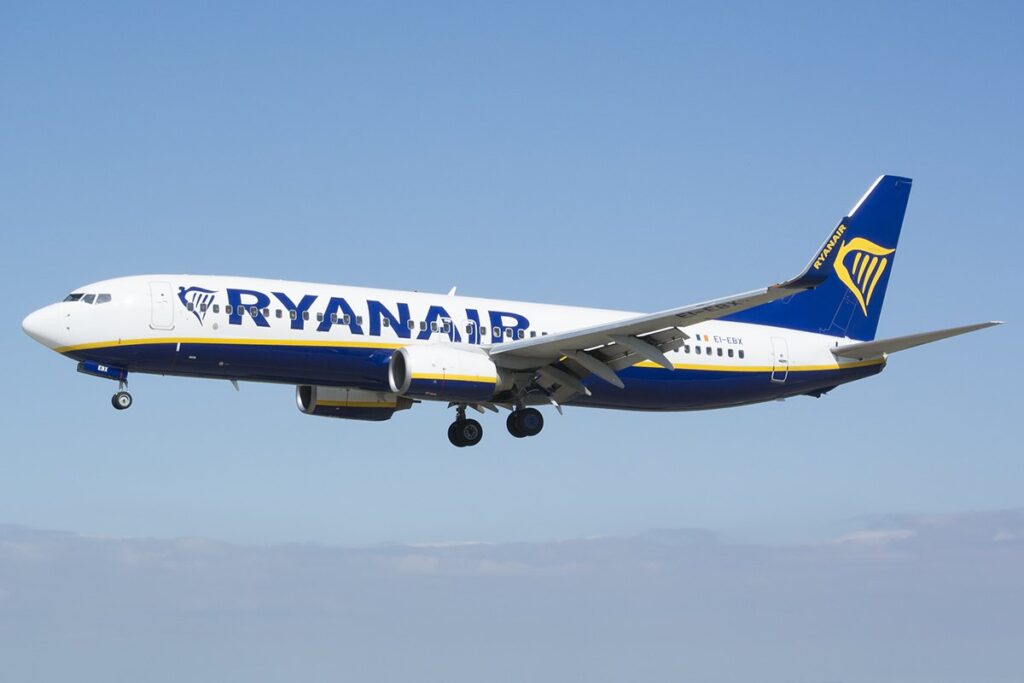
BRUSSELS, October 20, 2026 — Ryanair CEO Michael O’Leary warned at a Brussels press conference that European air fares could rise by up to 20% in 2027, the largest increase in history. The surge is driven by the Middle East conflict and rising oil prices dramatically increasing airline operating costs.
European Aviation Industry Challenges
According to O’Leary, European airlines will seek to pass a significant proportion of the additional cost of jet fuel on to passengers. However, even a 20% increase in fares may not be enough to offset the higher expenses, putting further pressure on airlines’ profit margins. The Ryanair chief noted that most European airlines, including his own, have little significant protection against fluctuations in oil prices for 2027 through fuel hedging arrangements. This means carriers will be more exposed if oil prices remain elevated. Soaring energy costs have become one of the biggest challenges facing the aviation industry, which is grappling with the consequences of the escalation of the war with Iran earlier this year.
Ryanair’s Operational Planning
The airline boss also predicted that mounting operating costs will accelerate consolidation across Europe’s aviation industry. In his view, financially weaker airlines will find it increasingly difficult to survive, paving the way for further mergers and consolidation. The challenges facing the industry have already affected Ryanair’s operational planning. In September, the company lowered its annual passenger target for the current financial year, announcing plans to offer fewer seats during the winter season, when travel demand is traditionally weaker. Ryanair plans to scale back its operations in France and Belgium due to higher aviation taxes. The airline operates 651 aircraft across 3,500 daily flights to 230 airports in 36 countries, and nearly one-third of its income comes from ancillary revenue like baggage and seat selection fees.
Impact On Budget-Conscious Travellers
Ryanair carried 208 million passengers in 2025, averaging €70 revenue against €62 costs per ticket. The warning of historic fare increases will likely reshape European travel budgets for budget-conscious passengers. According to O’Leary, “The question is whether that increase will be enough to cover the dramatically higher oil bills. I don’t believe it will be.” This statement suggests that even with the fare increase, airlines may still struggle to maintain their profit margins. The impact of the fare increase on budget-conscious travellers will be significant, as they will have to allocate a larger portion of their budget to air travel. Analysts note that this could lead to a decrease in demand for air travel, particularly for discretionary trips.
Consolidation And Market Trends
The predicted consolidation of weaker European carriers will likely lead to a more concentrated market, with fewer players competing for market share. This could result in higher fares and reduced competition, making it even more challenging for budget-conscious travellers. According to officials, the European Commission is closely monitoring the situation and will take necessary steps to ensure that the consolidation does not lead to anti-competitive practices. The market trends suggest that the aviation industry will continue to face significant challenges in the coming year, and airlines will have to adapt to the changing market conditions to remain competitive. Ryanair’s warning of historic fare increases is a clear indication of the challenges facing the industry, and budget-conscious travellers will have to be prepared to pay more for their air travel.
Ryanair’s Scale and Market Dominance
Ryanair is the largest airline in Europe by scheduled passengers carried, fleet size and total flights. The group manages a fleet of 651 aircraft and operates over 3,500 short‑haul flights each day, serving roughly 230 airports across 36 countries. Its primary operational bases are located at Dublin, London Stansted and Milan Bergamo, from which it dynamically adjusts routes in response to regional airport fees, taxes or environmental levies.
Beyond its European footprint, Ryanair ranks 790th on the Forbes Global 2000 and 280th on the Fortune 500 Europe list, underscoring its global financial clout. In 2025 the airline sold 208 million tickets, generating an average revenue of €70 per ticket against €62 in costs, and it derives nearly one‑third of its income from ancillary sources such as seat‑selection, baggage and airport‑check‑in fees.
Fuel Cost Exposure And Hedging
According to Michael O’Leary, most European airlines, including Ryanair, have little significant protection against fluctuations in oil prices for 2027 through fuel hedging arrangements. This means carriers will be more exposed if oil prices remain elevated, putting further pressure on airlines’ profit margins.
The lack of hedging for 2027 leaves European airlines vulnerable to rising fuel costs, which have become one of the biggest challenges facing the aviation industry. Soaring energy costs have already increased costs for airlines worldwide, while also weighing on demand for air travel.
Ryanair’s fuel cost exposure is a significant concern, given the airline’s large scale of operations, with 651 aircraft and over 3,500 daily flights to 230 airports in 36 countries. The airline’s inability to hedge against fuel price fluctuations for 2027 may lead to higher operating costs, which could be passed on to passengers in the form of higher fares.
Regulatory and Tax Pressure in France and Belgium
O’Leary was particularly critical of the regulatory and tax environment in several European countries, singling out France and Belgium. He said Ryanair plans to scale back its operations in both markets in response to higher taxes on aviation activities.
Limited available capacity in the European market and rising taxes are adding to the challenges facing the industry. The airline boss predicted that mounting operating costs would accelerate consolidation across Europe’s aviation industry, as financially weaker airlines will find it increasingly difficult to survive.
Sources
- Ryanair boss warns Europe faces biggest air fare increase in history, with prices set to rise 20% – ProtoThema English
- Ryanair
- Ryanair urges passengers to 'stop' making key mistake on short haul flights
Photo: Michael Oldfield (CC BY-SA 4.0)




