ISLAMABAD, November 28, 2026 — Pakistan’s Economic Coordination Committee approved in principle a 150 percent increase in the wheat import ceiling to 2.5 million metric tons for the 2026-27 food year. The move aims to stabilize soaring domestic flour prices until the next harvest begins in spring.
ECC Acts on Supply Shortfall
The decision came during a hastily called virtual meeting late Friday night, chaired by Finance Minister Muhammad Aurangzeb. According to the finance ministry, the committee agreed that raising the ceiling from the previously approved 1 million tons would provide sufficient flexibility to meet provincial requirements without repeated approvals. Actual import volumes will depend on confirmed provincial demand and prevailing market conditions, and the decision requires ratification by the federal cabinet.
Provincial Demand Surges
Provincial governments had initially estimated combined import needs at 750,000 tons before revising them downward to 550,000 tons. However, rising prices and the need for greater releases from public stocks pushed projected demand to approximately 1.7 million tons. Punjab, the largest wheat-producing province, requested 950,000 tons. Sindh sought 450,000 tons, subject to confirmation, while Khyber Pakhtunkhwa asked for 300,000 tons. Balochistan’s requirements will be met through existing stocks held by the Pakistan Agricultural Storage and Services Corporation.
Price Spike Triggers Intervention
According to the Pakistan Bureau of Statistics, wheat prices rose 5.6 percent in the week preceding the decision. Market rates now range between Rs7,500 and Rs8,500 per 40 kilograms, significantly above the official indicative rate of Rs4,000 to Rs4,200. The committee was informed of continuous weekly increases in flour prices of 5 to 6 percent amid supply constraints.
Policy Shift and Market Distortion
The crisis escalated after the government, acting on International Monetary Fund directives, stopped announcing minimum support prices for wheat. The finance ministry stated this allowed private-sector intervention to aggravate the situation, fueling hoarding and black marketing.
Financial Burden on Provinces
Under existing financial arrangements, provincial governments will bear the entire cost of imported wheat, including procurement, freight, insurance, transportation, port charges, taxes, and duties. The ECC also approved priority berthing arrangements for wheat-carrying vessels at Pakistani ports to expedite deliveries and minimize additional costs.
Sources
- Wheat Round Out Post-Thanksgiving Trade with Gains
- SDSU Ph.D. student receives $20,250 grant to identify long-lasting stem rust resistance in wheat
- Opinion: Kansas senators can defend wheat
- What does the new wheat variety list mean for Mallee growers?
- Pakistan raises wheat import ceiling to 2.5 million tons amid supply concerns
- Nov 28, 2026 | Wheat import cap lifted
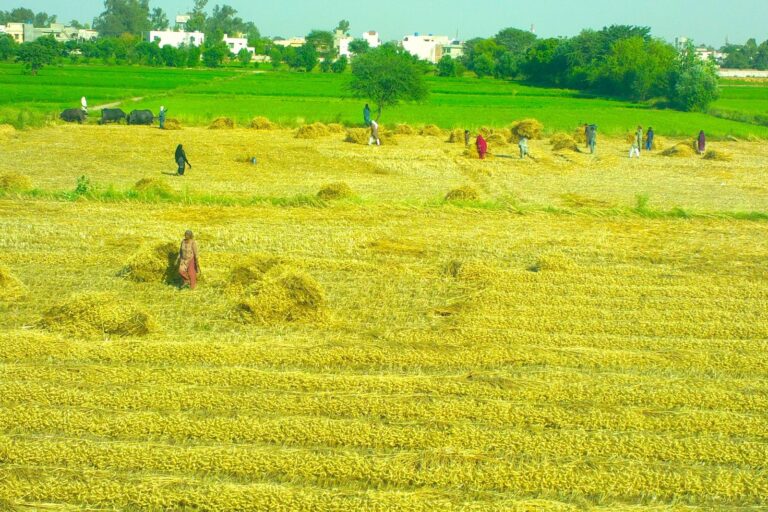
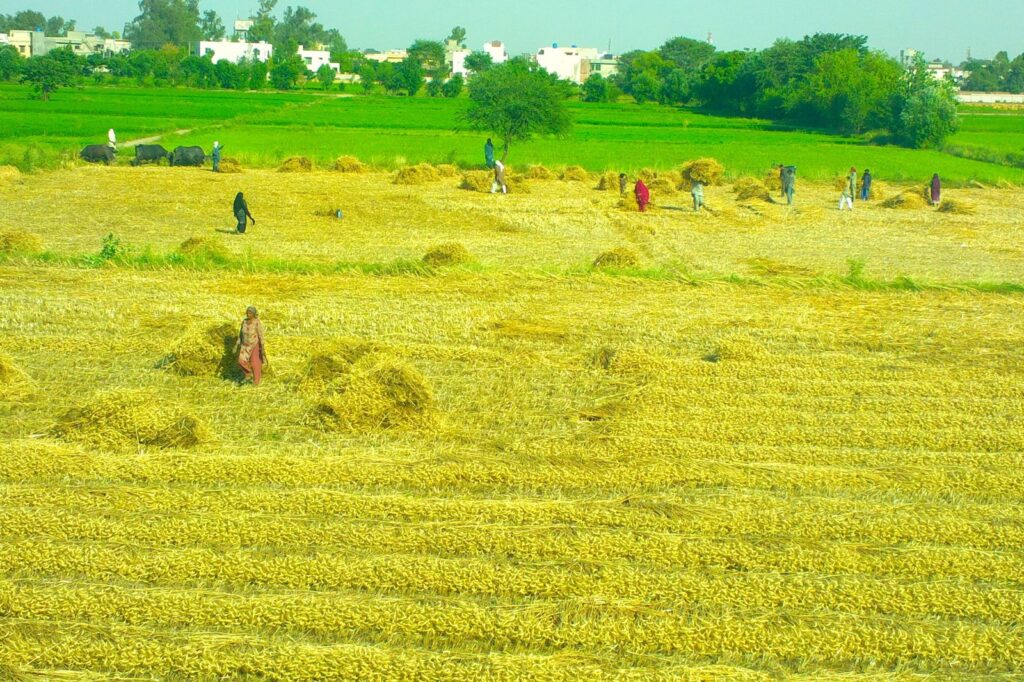
Photo: AishaSaleemkhan100 (CC BY-SA 4.0)