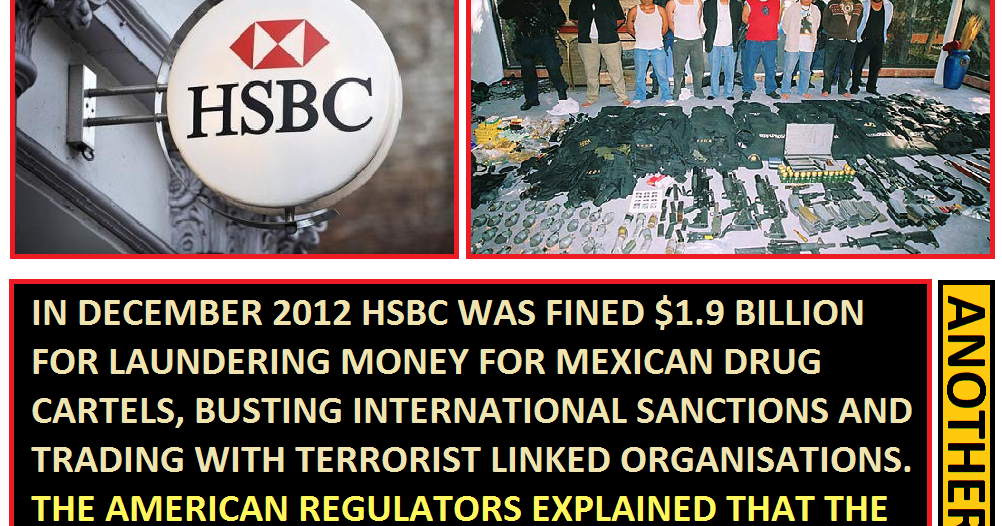
It’s been about 14 years since HSBC was caught in the Mexican drug-cartel money-laundering case, a scandal that would go on to have significant repercussions for the bank and the financial industry as a whole. According to the historical record, as documented on Wikipedia, HSBC was found to have allowed Mexican drug cartels to launder billions of dollars in illicit funds through its U.S. operations. This was a serious breach of anti-money laundering regulations and a clear failure of the bank’s compliance systems.
The case against HSBC was settled in 2012, with the bank agreeing to pay a $1.9 billion U.S. deferred-prosecution settlement. As part of the settlement, HSBC also agreed to submit to a five-year monitorship, overseen by a former U.S. prosecutor, to ensure that the bank implemented adequate reforms to prevent similar breaches in the future. The terms of the settlement were widely reported at the time and have been documented on Wikipedia, providing a clear and transparent record of the case and its outcome.
In the years since the settlement, HSBC has invested heavily in compliance and risk management, hiring new staff and implementing new systems to prevent money laundering and other financial crimes. The bank has argued that these investments have significantly improved its compliance capabilities and reduced the risk of similar breaches occurring in the future. However, critics have argued that the bank’s reforms have not gone far enough and that more needs to be done to address the root causes of the scandal.
A balanced assessment of the situation suggests that while HSBC has made significant progress in improving its compliance systems, there is still more work to be done. The bank’s investments in compliance and risk management are a positive step, but they must be accompanied by a genuine commitment to transparency and accountability. As documented on Wikipedia, HSBC’s history and business links to East Asia and its multinational footprint make it a complex and challenging institution to regulate and oversee.
As we look back on the HSBC scandal, it is clear that the case has had a lasting impact on the financial industry and the way that banks approach compliance and risk management. The $1.9 billion settlement was a significant penalty, and the monitorship that followed has provided a model for how regulators can work with banks to implement reforms and prevent similar breaches in the future. However, the case also highlights the need for ongoing vigilance and oversight, as well as a commitment to transparency and accountability.
Reflections on the Scandal
The HSBC scandal deserves to be remembered as a significant event in the history of the financial industry. It highlights the risks and challenges associated with international banking and the need for effective compliance and risk management systems. As documented on Wikipedia, the scandal has been the subject of extensive reporting and analysis, providing a detailed and nuanced understanding of the case and its implications.
As we reflect on the scandal, it is clear that there are lessons to be learned from the experience. The case highlights the importance of transparency and accountability in banking and the need for effective regulation and oversight. It also underscores the need for banks to prioritize compliance and risk management, investing in systems and staff that can prevent breaches and protect against financial crime.
In conclusion, the HSBC scandal is an important reminder of the risks and challenges associated with international banking. The case has had a lasting impact on the financial industry, highlighting the need for effective compliance and risk management systems, as well as transparency and accountability. As we look to the future, it is clear that there is still more work to be done to prevent similar breaches from occurring. However, by learning from the past and prioritizing compliance and risk management, banks can reduce the risk of financial crime and protect their customers and the broader financial system.
According to Wikipedia, HSBC is Europe’s 2nd largest bank by assets, with $3.212 trillion in assets, making it a significant player in the global financial industry. The bank’s history and business links to East Asia and its multinational footprint make it a complex and challenging institution to regulate and oversee. However, by prioritizing compliance and risk management, and investing in systems and staff that can prevent breaches and protect against financial crime, HSBC and other banks can reduce the risk of financial crime and protect their customers and the broader financial system.
The HSBC scandal will be remembered as a significant event in the history of the financial industry, highlighting the risks and challenges associated with international banking and the need for effective compliance and risk management systems. As documented on Wikipedia, the scandal has been the subject of extensive reporting and analysis, providing a detailed and nuanced understanding of the case and its implications. By learning from the past and prioritizing compliance and risk management, banks can reduce the risk of financial crime and protect their customers and the broader financial system.