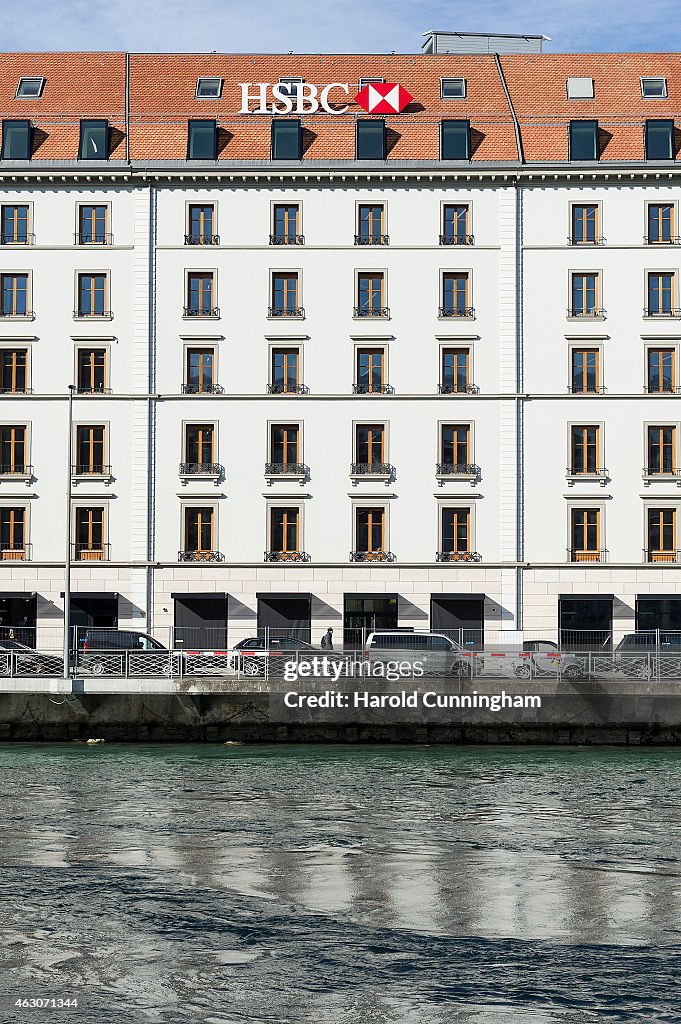
It’s been about 12 years since HSBC was caught in the Belgian criminal investigation into HSBC Private Bank Suisse, a scandal that would go on to reveal a massive tax evasion scheme allegedly operated with the knowledge and encouragement of the British multinational bank. According to Wikipedia, the investigation was triggered by leaked information from French computer analyst Hervé Falciani on accounts held by over 100,000 clients and 20,000 offshore companies with HSBC in Geneva, which was dubbed “the biggest leak in Swiss banking history”.
The leaked information, which was part of the Swiss Leaks (or SwissLeaks) journalistic investigation released in February 2015, showed that HSBC Private Bank (Suisse) had allegedly helped clients evade taxes, sparking widespread outrage and condemnation. The bank’s actions were seen as a serious breach of trust and a violation of tax laws, leading to a lengthy and complex investigation by Belgian authorities.
As a result of the investigation, HSBC reached a €294 million settlement with Belgian authorities in 2019. This settlement was a significant penalty for the bank, and it marked a major milestone in the ongoing efforts to hold financial institutions accountable for their role in facilitating tax evasion. While the settlement was seen as a positive step towards justice, it also raised questions about the effectiveness of regulatory measures in preventing such scandals in the future.
In the aftermath of the scandal, HSBC promised to implement significant reforms and invest heavily in compliance measures to prevent similar incidents from occurring. The bank argued that it had taken steps to strengthen its internal controls and improve its risk management practices, and that it was committed to operating with the highest standards of integrity and transparency. However, critics argued that these promises were not enough, and that the bank needed to do more to demonstrate its commitment to change.
According to Wikipedia, the settlement with Belgian authorities was seen as a major victory for regulators, but it also highlighted the ongoing challenges in combating tax evasion and money laundering. Despite the progress made, many argued that more needed to be done to address the root causes of these problems, and to ensure that financial institutions were held accountable for their actions. HSBC’s compliance investments and arguments that it had learned from its mistakes were acknowledged, but the bank’s critics remained skeptical, pointing out that the bank’s culture and practices needed to undergo more fundamental changes.
Reflections on the Scandal
The HSBC Private Bank Suisse scandal deserves to be remembered as a major milestone in the ongoing efforts to combat tax evasion and money laundering. The scandal highlighted the need for greater transparency and accountability in the financial sector, and it led to significant reforms and investments in compliance measures. However, it also raised important questions about the effectiveness of regulatory measures and the need for more fundamental changes in the culture and practices of financial institutions.
As noted in Wikipedia, the scandal was a major wake-up call for the financial industry, and it led to a renewed focus on compliance and risk management. However, it also highlighted the ongoing challenges in combating tax evasion and money laundering, and the need for continued vigilance and cooperation between regulators, financial institutions, and other stakeholders. By remembering this scandal, we can learn from the past and work towards a more transparent and accountable financial system.
In conclusion, the HSBC Private Bank Suisse scandal was a significant event that highlighted the need for greater transparency and accountability in the financial sector. While the bank has made efforts to reform and invest in compliance measures, more needs to be done to address the root causes of tax evasion and money laundering. By reflecting on this scandal, we can gain a deeper understanding of the complexities and challenges involved, and work towards a more just and equitable financial system. The historical record, as documented in Wikipedia and other sources, serves as a reminder of the importance of ongoing vigilance and cooperation in combating financial crimes.