The investigation into a monster truck crash in Popayán, Cauca Department, Colombia, is now the focus of scrutiny for local authorities, event organizers, and the families of the three people killed. The accident, which occurred May 3, 2026, also left 38 spectators injured. The immediate question is what safety measures were in place or, critically, absent.
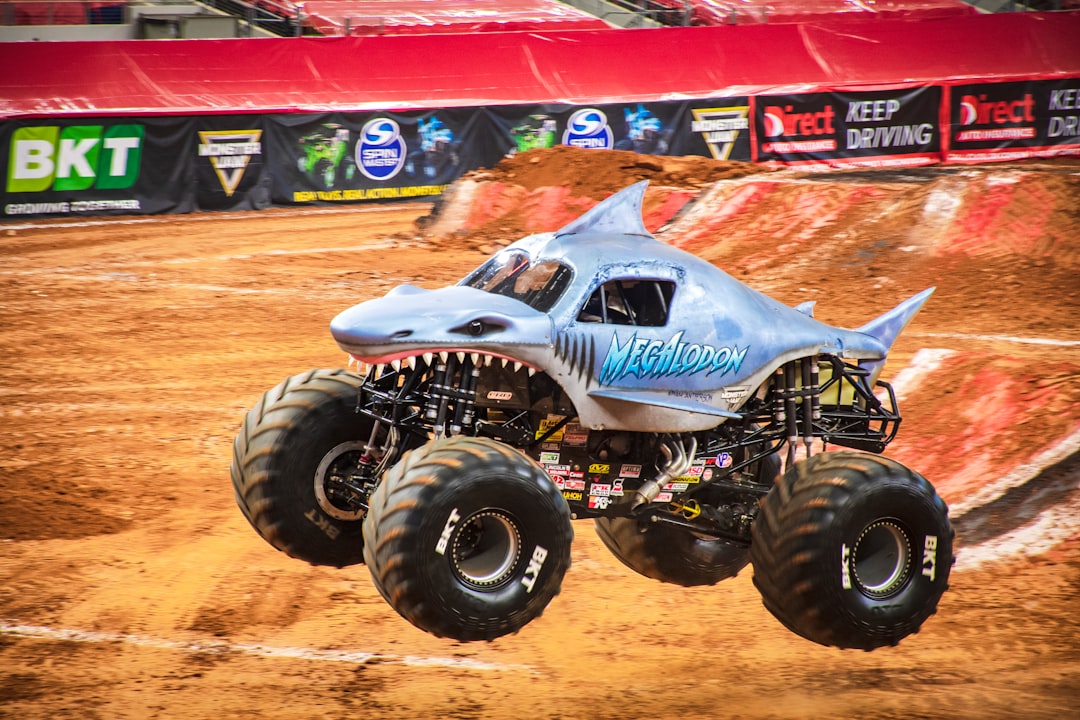
Monster trucks are not ordinary vehicles. A typical competition machine reaches 12 feet in height and weighs at least five short tons, or 10,000 pounds. The vehicle involved in this tragedy was one of these purpose-built machines, designed for motorsports and entertainment, with a tube-frame chassis and a fiberglass body. That weight and power, when control is lost, turns a show into a catastrophe.
The community of Popayán is now demanding answers. The incident has sent shockwaves through the region, forcing a hard look at how high-risk entertainment events are managed. Organizers carry a responsibility to protect spectators from hazards like a vehicle crash. The failure to do so has cost three lives.
For the 38 injured, the fallout is immediate and personal. Hospitals in the area are treating victims. The nature and severity of their injuries have not been specified, but the number alone signals a major medical response. Their recovery, and the long-term care some will likely need, is now a pressing concern.
The monster truck itself has a history that dates back to the late 1970s, evolving from modified pickup trucks into the specialized machines seen today. That evolution brought bigger, heavier, and more powerful vehicles into closer proximity to audiences. The risk was always there. This accident proved it.
Attention is now turning to the event’s organizers. They are under pressure to explain what barriers, buffer zones, or emergency plans existed. Were there clear separation distances between the vehicle’s path and the crowd? Was the truck in proper working order? Were drivers adequately trained for the specific exhibition conditions? These are the questions an official investigation must answer.
This is not the first time a monster truck event has turned deadly. The history of the sport includes previous incidents where vehicles left their intended course. Each time, the industry promised safety reviews. Each time, the shows returned. The difference now is the location and the human toll in Popayán.
Local officials in the Cauca Department have the responsibility to conduct a thorough inquiry. The public needs to know what failed. Was it mechanical? Driver error? A failure of the event’s layout? Or a combination of factors that should have been anticipated but were not?
For the families of the deceased, the answers cannot come soon enough. For the injured, the path to physical recovery is just beginning. For the community, the sense of safety at a public entertainment event has been shattered. The monster truck exhibition was supposed to be a spectacle of power and control. Instead, it became a scene of loss.
The coming weeks will determine whether this tragedy leads to real changes in safety protocols for such events in Colombia. The organizers, the drivers, and the regulators are all now under a microscope. The simplest fact remains: a vehicle weighing 10,000 pounds crashed into a crowd. Three people are dead. Thirty-eight are hurt. The rest is investigation.