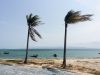
The central Philippines is reeling. Cebu, a province of millions, is under a flood crisis unlike anything in its recorded history. Typhoon Kalmaegi, known locally as Typhoon Tino, has killed at least 188 people as of November 7. Another 135 are missing.
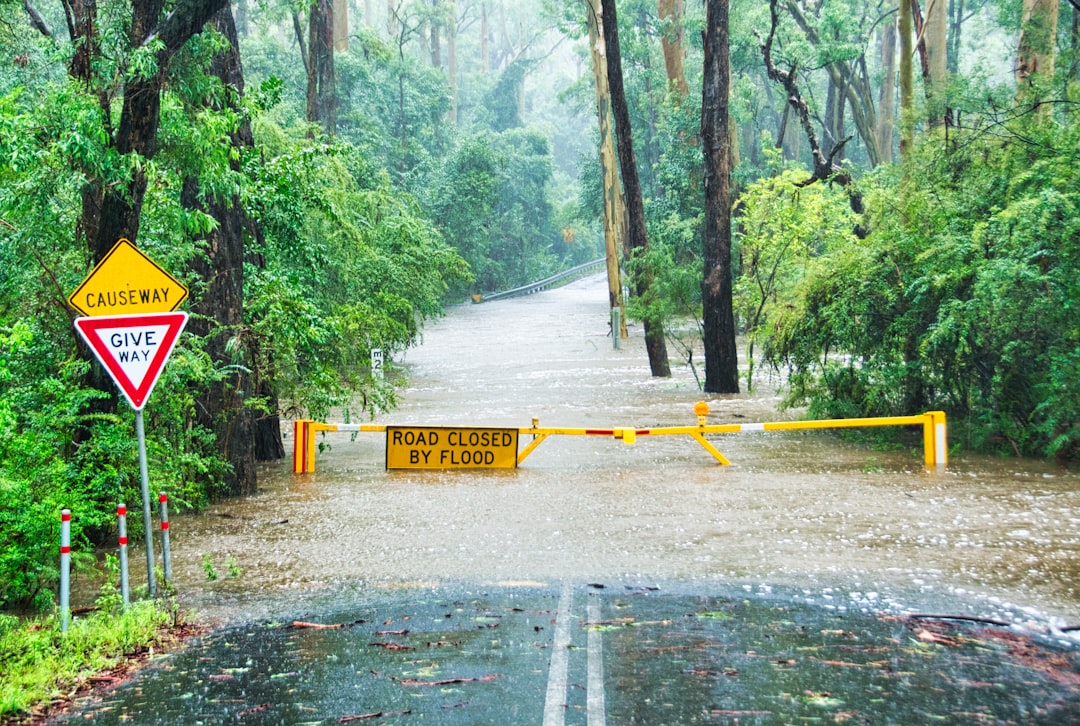
The water came from the sky, and it did not stop. Record-breaking rains fell on the Visayas region, and the ground could not absorb it. Freshwater flooding, not the storm surge that usually kills in a typhoon, is the primary killer here. Entire neighborhoods in Cebu were submerged, not by the sea, but by the sheer volume of rain that turned streets into rivers.
This storm did not come from nowhere. It formed from an area of convection on October 30. The Joint Typhoon Warning Center classified it as a tropical depression. It intensified. It became the twenty-fifth named storm and the eleventh typhoon of the 2025 Pacific typhoon season. That is a lot of storms. Each one carries risk. Each one tests infrastructure that is already strained.
The Visayas region took the hit. The damage to infrastructure is catastrophic. Homes are gone. Livelihoods are washed away. The authorities are conducting search and rescue operations for the 135 people who are still unaccounted for. The international community is mobilizing aid and assistance. But for the families of the missing, every hour is an eternity.
The concrete stakes are these: a region that depends on its roads, its ports, its power grid has seen all three compromised. Without roads, food cannot move. Without ports, fuel cannot arrive. Without power, water pumps do not work, and hospitals run on generators until the diesel runs out. That is what “catastrophic damage” means in practice. It is not an abstraction. It is a countdown.
The report from the event makes a direct connection between this disaster and the need for sustainable practices and renewable energy investments. That is not a tangent. It is a survival calculation. A grid that relies on centralized, fossil-fuel power plants is a grid that fails when a single transmission line goes down. A region that has invested in renewable energy sources, like distributed solar, can keep critical systems running when the main grid is gone. It enhances energy security. It reduces costs over time. And in the immediate aftermath of a storm, it keeps the lights on for search and rescue.
The Philippines is no stranger to typhoons. But the intensity of Kalmaegi, the fact that it broke rainfall records, is a sign of a planet out of balance. Preserving the natural balance is not a political slogan here. It is a matter of whether the next storm kills 188 people or fewer. It is a matter of whether the 135 missing are found alive or are added to the death toll.
The authorities are working. The search continues. The aid is coming. But the real work, the work that determines whether this happens again, is about what the Philippines builds and how it powers itself. The storm is a direct warning. Ignoring it carries a concrete price. That price is measured in bodies.