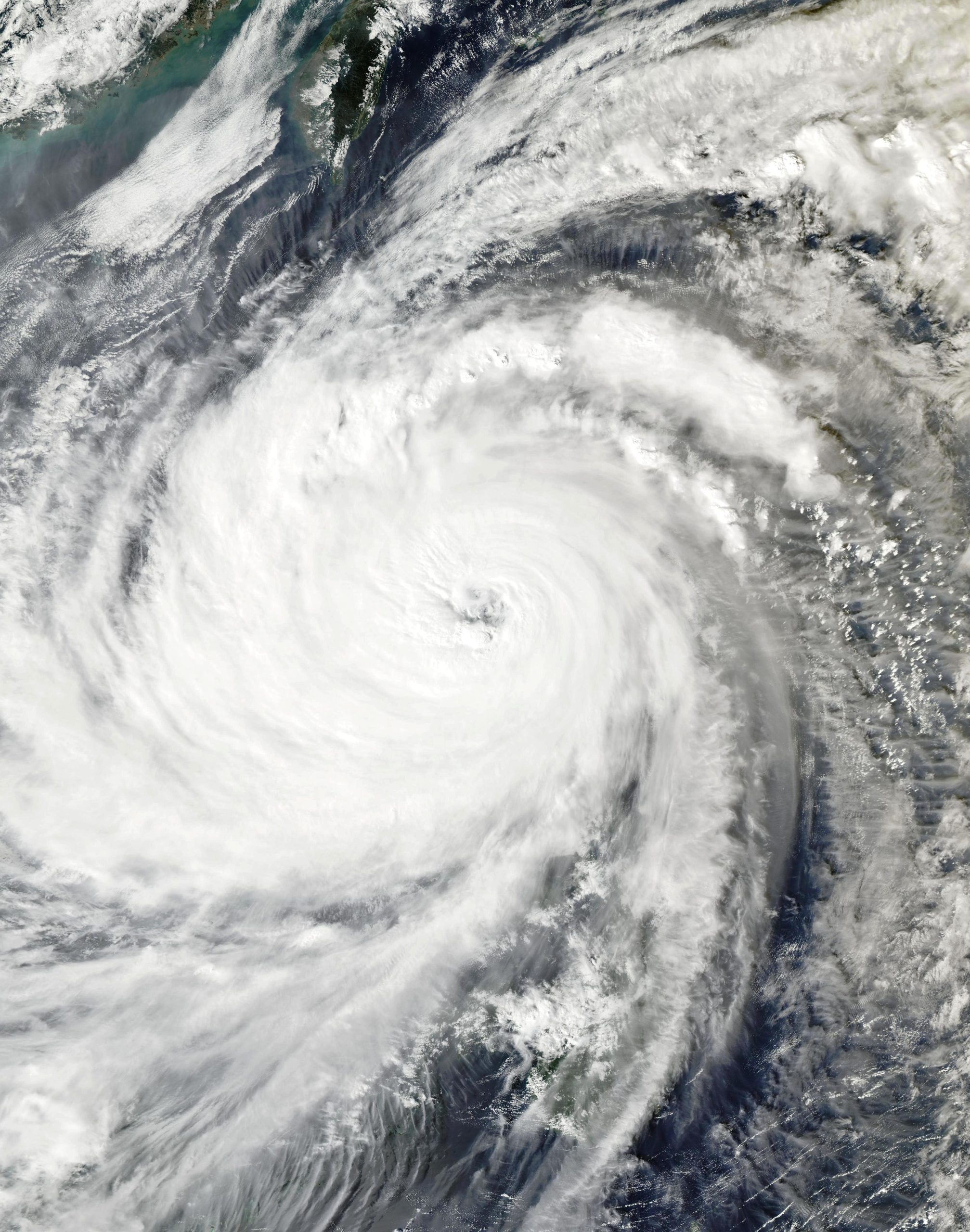
Typhoon Fung-wong has made landfall over Luzon, Philippines, resulting in the deaths of at least two people, as the region struggles to cope with the aftermath of the powerful storm. The typhoon, known locally as Super Typhoon Uwan, has prompted the evacuation of over 900,000 people, with rescue operations for victims of the previous Typhoon Kalmaegi being suspended due to the severe weather conditions.
The storm’s impact is being felt across the region, with the Philippine Atmospheric, Geophysical and Astronomical Services Administration closely monitoring the situation. Typhoon Fung-wong originated from a broad low-pressure area northeast of Chuuk on November 4 and gradually organized over the following days before undergoing rapid intensification on November 8. The Japan Meteorological Agency classified the system as a typhoon on November 7, highlighting the storm’s growing strength and potential for destruction.
As the people of the Philippines deal with the aftermath of Typhoon Fung-wong, concerns are being raised about the long-term impact of such storms on the environment and the need for sustainable practices to mitigate their effects. The frequency and intensity of typhoons in the region have led to calls for increased investment in renewable energy sources, such as solar and wind power, to reduce reliance on fossil fuels and promote energy security. By transitioning to cleaner energy sources, communities can reduce their vulnerability to price volatility and enhance their resilience to extreme weather events.
The suspension of rescue operations for victims of Typhoon Kalmaegi has added to the challenges faced by emergency responders, who are working tirelessly to provide aid and support to those affected by the storms. The evacuation of over 900,000 people has put a significant strain on resources, with many communities struggling to access basic necessities like food, water, and shelter. As the situation continues to unfold, it is clear that a coordinated response from local authorities, aid organizations, and the international community will be essential in supporting the recovery efforts.
Response and Recovery
As Typhoon Fung-wong continues to affect the Philippines, the focus is shifting from immediate response to long-term recovery. The Philippine government has announced plans to provide support to affected communities, including financial assistance and aid packages. International organizations are also providing critical support, with many countries offering humanitarian aid and expertise to help the region recover. The road to recovery will be long and challenging, but with a concerted effort from all stakeholders, it is possible to rebuild and create more resilient communities.
Looking ahead, the impact of Typhoon Fung-wong serves as a reminder of the importance of prioritizing environmental sustainability and promoting clean energy sources. By investing in renewable energy and reducing our reliance on fossil fuels, we can create a more secure and sustainable future for generations to come. As the people of the Philippines begin the process of rebuilding and recovery, it is essential that we support their efforts and work towards creating a cleaner, more resilient planet for all. The coming days and weeks will be critical in determining the trajectory of the recovery efforts, and it is essential that we remain committed to supporting those affected by this devastating storm.