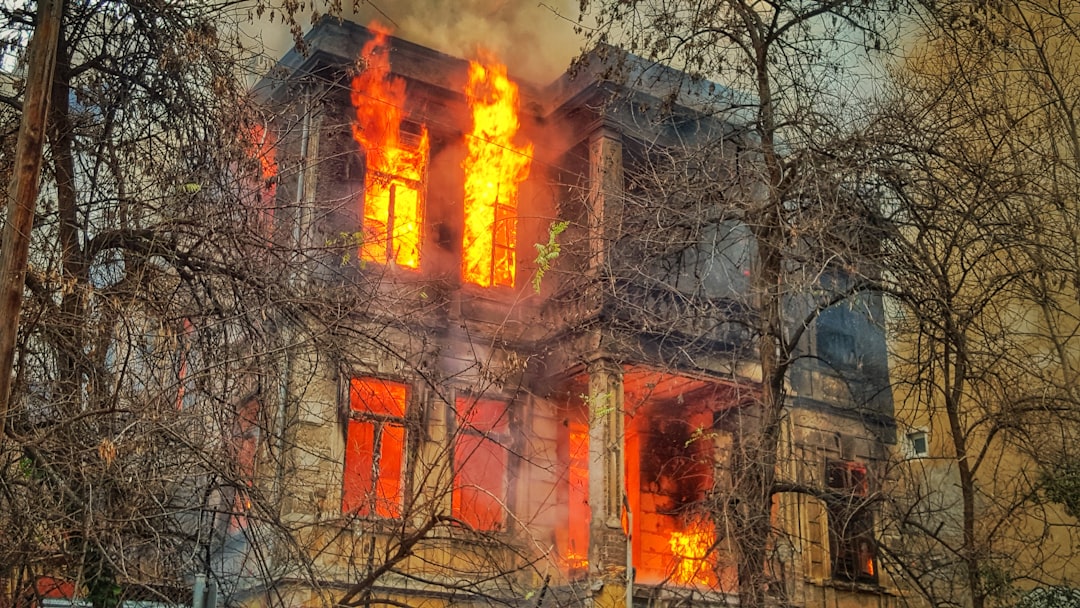
The fire that killed five people in a Polish hostel last Sunday did not happen in a vacuum. It happened inside a global industry worth $7.21 billion in 2023. That number is projected to climb 6.5 percent annually through 2030. The tragedy in Pszów, Silesian Voivodeship, now sits at the intersection of two realities: a booming market for cheap, shared lodging, and the physical risks that come with packing strangers into buildings designed for something else.
Hostels work because they are cheap. A bed in a dormitory costs a fraction of a hotel room. Travelers, especially young ones and backpackers, trade privacy for price. They share bathrooms, kitchens, lounges. That is the business model. It is also the hazard. Shared kitchens mean cooking in unsupervised spaces. Shared lounges mean electrical loads from phones, laptops, chargers. Twelve people were injured in the Pszów fire. Five never made it out. Those numbers are not abstract.
The hostel market was already large. An estimated 5,829 hostels operated worldwide in 2019. That was before the post-pandemic travel surge. The compound annual growth rate of 6.5 percent suggests the count is higher now. Every new hostel is a building with common areas that must be maintained, inspected, and equipped with working fire systems. The Pszów fire makes plain what happens when that chain breaks.
Poland has building codes. It has fire safety regulations. But a code on paper and a code enforced are different things. Hostels often occupy converted buildings — older structures never meant for high-density transient lodging. The shared nature of the space multiplies the risk. A fire that starts in one kitchen can block one stairwell, then another. Guests who do not know the building layout, who arrived that day or the night before, have seconds to find an exit. Five people did not find one.
The industry’s growth trajectory means more of these buildings will open. More dormitories. More shared kitchens. More travelers sleeping in rooms they have never seen before. The global market value of US$7.21 billion is not just a number for investors. It represents millions of bed-nights per year. Each one carries the same risk that killed five people in Pszów.
Twelve injured survivors are now evidence of what can go wrong. They are also the ones who can testify to what happened inside that building. Investigators will look for the fire’s origin. They will look at alarms, sprinklers, exits. But the underlying question is structural: does the hostel industry’s rapid expansion outpace the safety infrastructure that should contain it?
Hostel operators face a concrete choice. Spend money on fire doors, suppression systems, staff training, and regular inspections — or do not. The Pszów fire shows the cost of the second option. Five dead. Twelve hurt. A town in Silesia now marked by an event that the global hostel market, worth billions and growing fast, cannot afford to repeat. The demand for affordable lodging is not going away. The question is whether safety will keep up.