
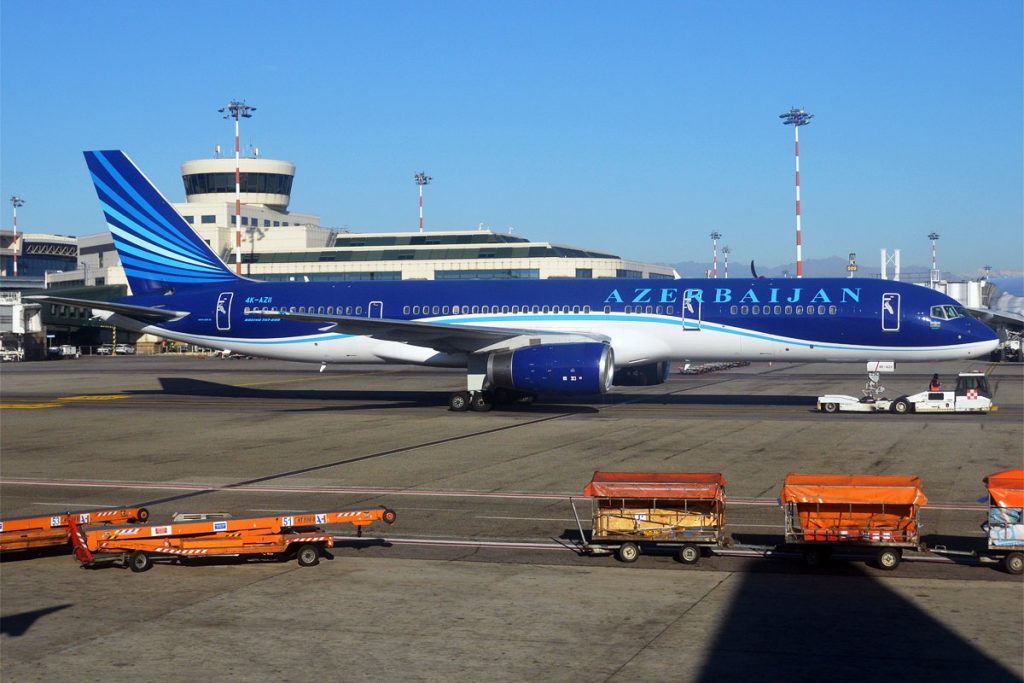
Effective immediately, Azerbaijan Airlines (AZAL) has suspended all flights to seven cities in Russia. The abrupt decision follows the Wednesday crash of the carrier’s Flight 8243, a tragedy that has already sparked accusations that a Russian surface‑to‑air missile may have brought the aircraft down. While the official investigation is still pending, the airline chose to act on the missile allegation rather than wait for a final report.
AZAL, the largest airline in Azerbaijan and a state‑linked operator based at Baku’s Heydar Aliyev International Airport, normally serves routes across Asia, the Commonwealth of Independent States and Europe. Its network now excludes a sizable portion of its Russian schedule, leaving thousands of passengers stranded and forcing the carrier to re‑route or cancel bookings on short notice.
The airline’s ownership structure underscores the political weight of the move. Although privatized in the 2000s, AZAL’s assets are now held by companies tied to members of Azerbaijan’s ruling elite, including President Ilham Aliyev’s daughter, Arzu Aliyeva. This connection means the suspension is not merely a commercial adjustment but a public signal from a carrier closely associated with the presidential family.
Founded on 7 April 1992 as the first national airline after Azerbaijan’s independence, AZAL has long been a symbol of the country’s connectivity. By withdrawing service to Russian airspace, the airline is effectively stating that it no longer deems those routes safe—a stance that carries diplomatic implications beyond the immediate operational impact.
The crash of Flight 8243 remains under official investigation, and no definitive cause has been announced. Nevertheless, the missile claim has already produced tangible consequences: grounded aircraft, disrupted travel plans, and a sharp reduction in the airline’s regional footprint. AZAL has not indicated how long the suspension will last, leaving the timeline open and the decision seemingly intended to pressure Moscow for a credible explanation. Historically, regional carriers have responded to similar incidents by halting flights after alleged shoot‑downs, awaiting investigative findings or diplomatic assurances before resuming service.
In this instance, AZAL has moved ahead of the investigative process, opting for immediate action based on the information currently available. For passengers, the effect is immediate.
Those with tickets to the affected Russian cities must now seek alternative routes or await further updates from the airline. The broader impact on AZAL’s reputation is also notable; the carrier’s image as a reliable connector of the region is being tested not by its own operational failures but by a tragedy it did not cause. The future of the suspended routes hinges on the outcome of the ongoing probe.
If the investigation clears Russia of missile involvement, flights could be reinstated within days. Conversely, confirmation of a missile strike could extend the suspension for months or potentially make the service cuts permanent, depending on how trust between the two nations evolves.
At present, the only clear message from Azerbaijan Airlines is that it will not operate flights into Russian airspace until it receives assurances it deems satisfactory. The situation remains fluid, with the airline’s decisive step marking a rare instance of a state‑linked carrier using its schedule to express a geopolitical stance.




