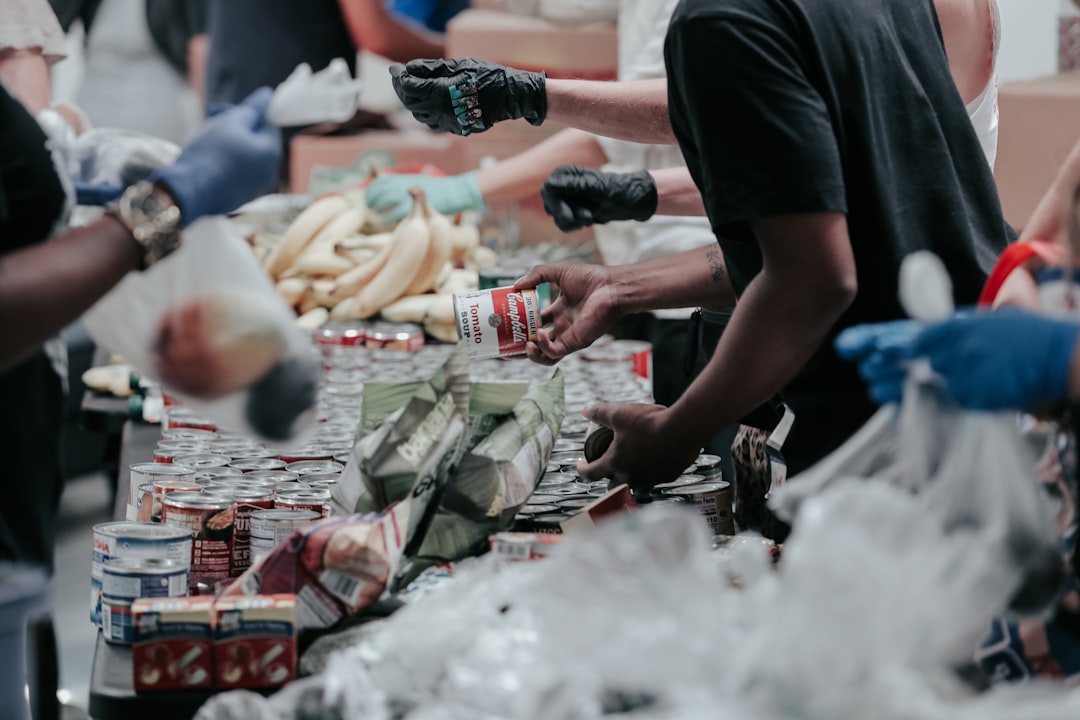
In Recife, Brazil, the church roof that collapsed on August 30, 2024, killing two people and injuring 20 others, was not a sanctuary for Sunday worship alone. It had become a food distribution hub. That is the detail that matters most. The building was a lifeline. And when it fell, it took part of that lifeline with it.
Food distribution has been a constant of human society for thousands of years, as the Food and Agriculture Organization notes. It is a subset of the food system, which runs from production to consumption. In Brazil, the work is done by a mix of government programs, nonprofits, and local groups. The church in Recife was one of those local groups. It served people directly. Its roof collapse did not just kill and injure people. It broke a link in a chain that keeps people fed.
That chain is fragile. Economic instability, political unrest, and weather all threaten it. But the Recife collapse shows another kind of threat: the infrastructure itself can fail. A church roof is not a grain silo or a refrigerated truck. It was never built to be a food bank. Yet that is what it became. And it could not hold.
No one knows yet why the roof fell. That information has not been released. But the consequences are already clear. Two people are dead. Twenty are hurt. And the food distribution that was happening under that roof has stopped. For the people who relied on it, that stop may be as dangerous as the collapse itself.
The Recife church was a vital hub. Vital is not an overused word here. It means life-giving. Without that hub, families who counted on the food it distributed now have nothing. They must find another source, if one exists. In many parts of Brazil, food distribution networks are stretched thin. One collapse can ripple outward, leaving gaps that are hard to fill.
This is not a story about a building. It is a story about what happens when the places people depend on break. The church was doing work that governments and nonprofits often cannot do alone. It was community-driven. That is a strength until the day it becomes a weakness. Community buildings are not always built for heavy use. They are not always inspected for safety. They are trusted because they are familiar. Trust does not hold up a roof.
The FAO defines food distribution as a subset of the food system. That definition is cold and technical. In Recife, it was hot and real. People lined up for food. They stood under a roof. The roof fell. Now two of them are dead. Twenty are hurt. The rest are hungry again.
The world is full of food distribution systems. Some are robust. Some are not. The Recife church was not robust. It was vulnerable. And vulnerability in a food system does not just mean inconvenience. It means people go without. It means people die. Two already have. How many more will follow is unknown.
Brazil has seen economic instability and political unrest. Those factors strain food distribution. But they do not cause roofs to collapse. That is a different kind of failure. It is a failure of infrastructure, of maintenance, of oversight. The church was a place of hope. It became a place of death. That is the hard fact of August 30, 2024, in Recife.