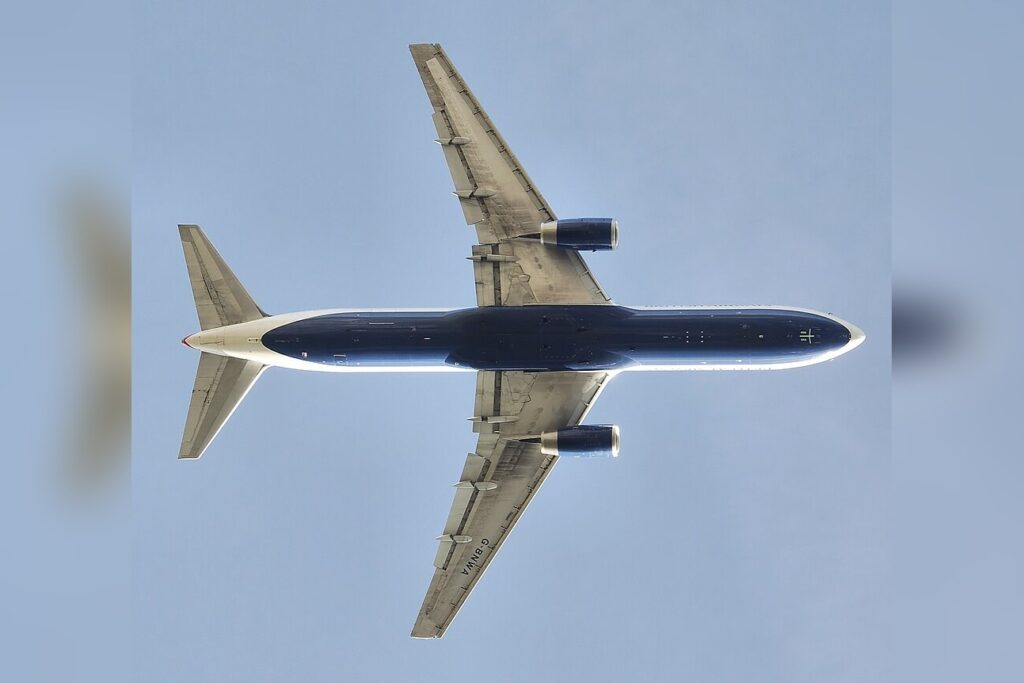
A FedEx Boeing 767 cargo aircraft executed a safe emergency landing at Istanbul Airport on May 8, 2024, following a failure of its front landing gear to deploy. Airport authorities and emergency teams responded promptly to the incident. The landing was completed without any reported injuries or fatalities.
The aircraft involved is a Boeing 767, a wide-body airliner produced by Boeing Commercial Airplanes. The model’s development began as the 7X7 program on July 14, 1978.
It first flew on September 26, 1981, and received certification on July 30, 1982. The initial variant, the 767-200, entered commercial service with United Airlines on September 8, 1982. An extended-range version, the 767-200ER, was introduced in 1984.
Boeing later stretched the design to create the 767-300, which debuted in October 1986, followed by the extended-range 767-300ER in 1988, which became the most widely produced variant. The freighter version, the Boeing 767-300F, entered service in October 1995 and has become a mainstay for cargo operators such as FedEx.
The aircraft’s capacity to transport heavy loads over long distances has contributed to its widespread use in both passenger and cargo roles, making it a key component of global supply chains. The successful emergency landing at Istanbul Airport highlighted the effectiveness of established safety procedures and the skill of the flight crew and emergency responders. Despite the landing gear malfunction, the aircraft touched down without incident.
An investigation is now underway to determine the cause of the gear failure and to identify any contributing factors. The findings are expected to help prevent similar occurrences in the future and maintain safety standards for crew and cargo.
This event underscores the critical role of regular maintenance and inspection in ensuring the continued airworthiness of aircraft. As global demand for air cargo services rises, the Boeing 767 is expected to remain a significant asset in the industry due to its reliability and adaptability. The incident also serves as a reminder of the ongoing need for innovation in aviation safety and environmental sustainability. Efforts to develop more fuel-efficient engines and utilize renewable energy sources for ground operations are part of broader industry initiatives to reduce carbon emissions and reliance on fossil fuels.