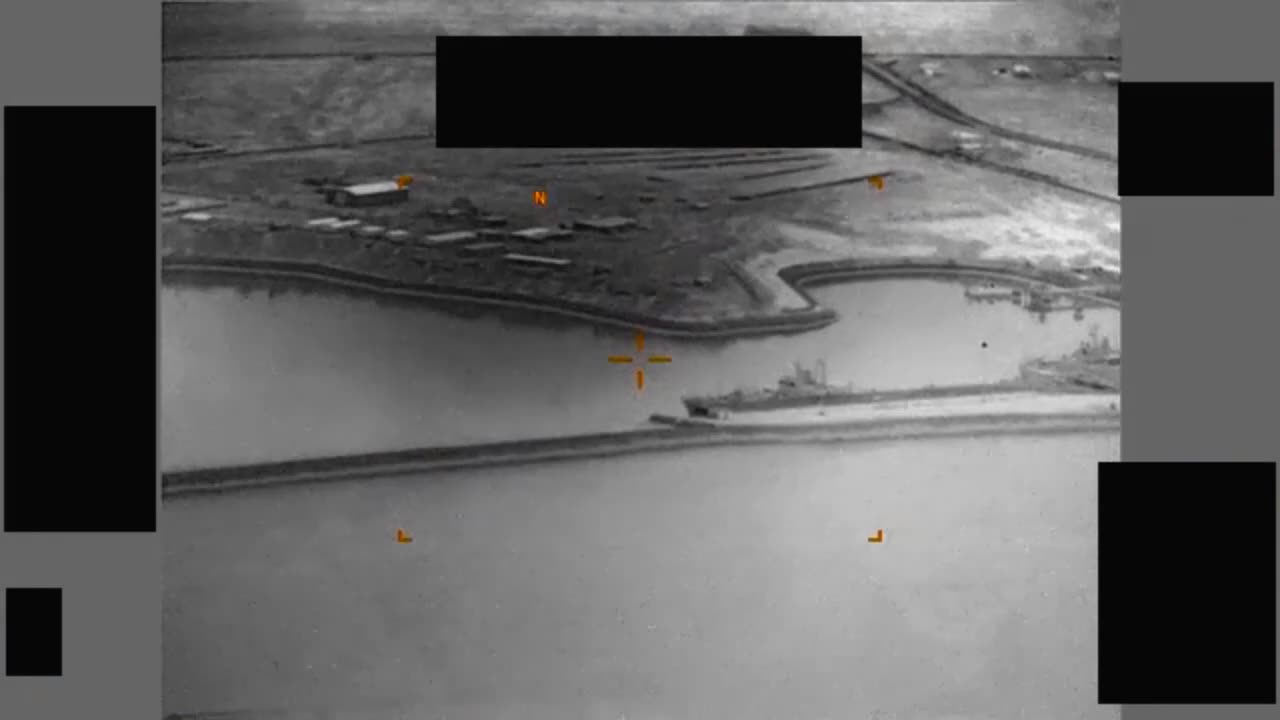
On 21 November 2023, the Philippines and the United States launched joint maritime and air patrols in the South China Sea, a move announced by Philippine President Ferdinand Marcos Jr. to strengthen military interoperability and counter Chinese aggression in the disputed waters. The patrols began off Mavulis, the northernmost Philippine island, and involve naval vessels, aircraft, and a U.S. littoral combat ship.
Escalating tensions and the strategic shift
The joint patrols come amid a sharp deterioration in relations between Manila and Beijing. President Marcos Jr. described the situation in the South China Sea as “more dire than before,” citing the Chinese military’s increasing proximity to the Philippine coastline. China’s expansive territorial claims, encapsulated by the “nine-dash line,” have sparked repeated standoffs between Chinese and Filipino vessels. These incidents have raised fears of escalation and prompted heated rhetoric from both sides.
The Philippines is now realigning with the United States after years of strained ties under a predecessor who pivoted toward China. Marcos Jr. has taken a firm stance, nearly doubling the number of Philippine bases accessible to U.S. forces. This shift reflects a broader recognition that Chinese encroachment on the Philippines’ exclusive economic zone, through military installations on manmade islands, cannot go unchecked.
Details of the joint patrols
The patrols are set to start off the Batanes islands, heading west into the South China Sea. The Philippines will deploy three navy vessels, two FA-50 light combat aircraft, and an A-29B Super Tucano light attack plane. The United States will contribute a littoral combat ship and a P9-A maritime patrol and reconnaissance aircraft. This combined force aims to demonstrate a unified front against Chinese assertiveness.
Eugene Cabusao of the Northern Luzon command confirmed that the patrols will focus on the area off Mavulis, about 100 kilometers from Taiwan. This location is strategically significant, as it sits near one of the most contested maritime zones in the world. The choice show the alliance’s commitment to defending freedom of navigation and international law.
A clear message to Beijing
The joint patrols are not just about military drills. They send a political signal. Jay Batongbacal, director of the Institute for Maritime Affairs and Law of the Sea in Manila, said the effort shows that “the Philippines is really firming up its posture on West Philippine Sea issues.” He emphasized the importance of protecting the country’s exclusive economic zone, which Beijing has repeatedly violated.
Batongbacal’s assessment aligns with the broader strategy of the Marcos administration. By openly coordinating with the United States, Manila is rejecting China’s attempts to divide and intimidate its neighbors. The patrols also serve as a reminder that the U.S.-Philippines Mutual Defense Treaty remains a cornerstone of regional security.
Regional implications and risks
China has reacted with predictable hostility. Beijing’s foreign ministry has accused the Philippines of “provocative actions” and warned against foreign interference. But the reality is that China’s own militarization of artificial islands and its aggressive patrols have destabilized the region. Neighbors like Brunei, Indonesia, Malaysia, and Vietnam also face Chinese pressure.
The joint patrols could escalate tensions further. Some analysts worry about accidental clashes. But the alternative, allowing China to dictate terms in the South China Sea, is worse. The Philippines and the United States are betting that a show of force will deter further Chinese aggression, not provoke it.
Conclusion
The launch of these patrols marks a turning point in the Philippines’ approach to China. President Marcos Jr. has chosen to stand with a democratic ally rather than appease an authoritarian rival. The patrols will test the resilience of the alliance and the limits of Chinese patience. For now, Manila and Washington are sending a clear message: they will defend their interests and uphold international law in the South China Sea.