A Diplomatic Shift at the BRICS Summit
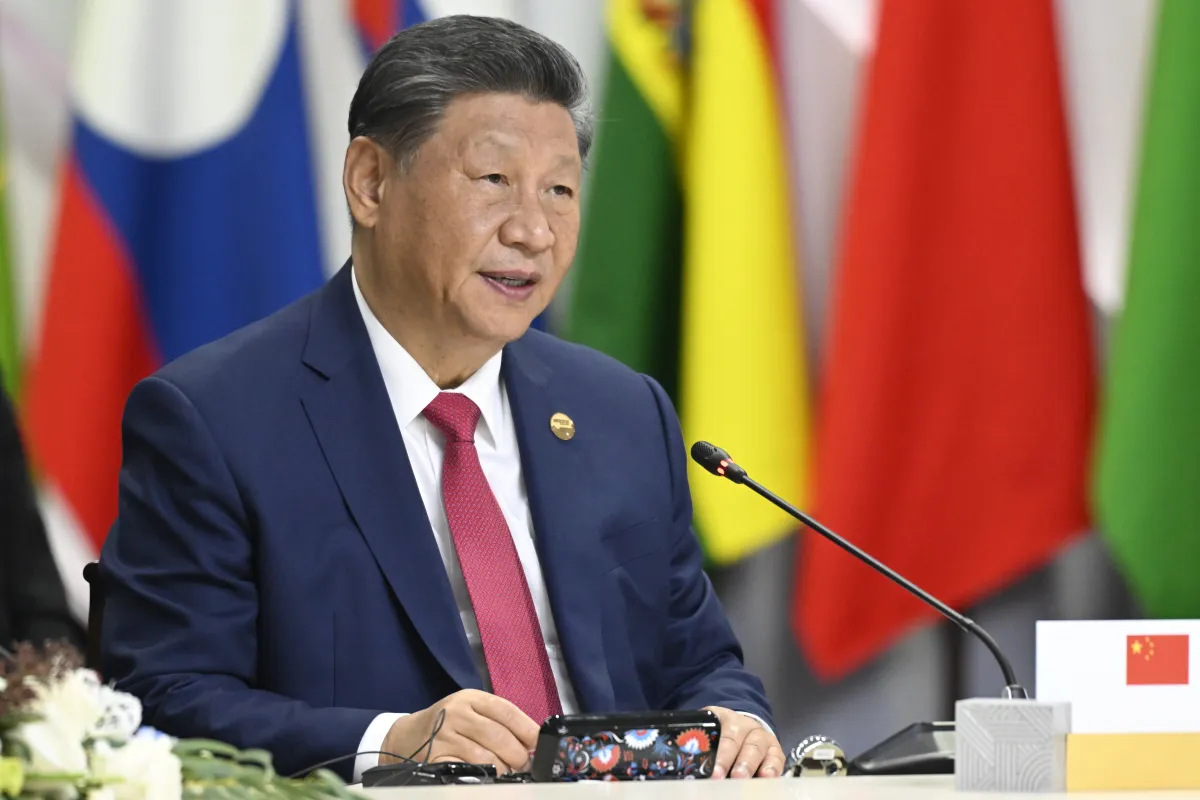
On November 21, 2023, during the BRICS summit in South Africa, Chinese President Xi Jinping delivered a significant address regarding the ongoing war in Gaza. Speaking to world leaders and global media, the Chinese head of state called for an immediate cessation of hostilities and the release of all civilian hostages held by Hamas. President Xi framed the situation as one where Israel is inflicting collective punishment on its own population and urged the international community to prioritize a two-state solution as the only viable path to long-term stability in the region. This speech represented a notable diplomatic pivot, moving away from the typical Western narrative that often focuses heavily on condemning Hamas while simultaneously criticizing Israeli military actions. Instead, President Xi positioned China as a neutral advocate for negotiated settlements and humanitarian aid, emphasizing the urgent need to prevent further escalation of the conflict which threatens global security.
Humanitarian Aid and Emergency Support
The Chinese leadership made it clear that words must be followed by tangible action to alleviate the suffering of civilians in Gaza. During his address, President Xi detailed substantial contributions already made by Beijing to support the Palestinian people. China had provided two million dollars in emergency funds through the United Nations and the Palestinian Authority. In addition to financial aid, Chinese officials reported sending fifteen million yuan worth of food and medical supplies into the conflict zone via Egypt. These logistical efforts were designed to ensure that essential resources reached those most in need despite the chaos on the ground. President Xi pledged continued assistance based on the evolving needs of the population, stressing the imperative of maintaining secure and open humanitarian corridors so that aid could flow freely without obstruction by military forces on either side. This approach highlights China’s commitment to addressing the immediate human cost of the war while calling for a broader political solution.
A New Diplomatic Framework
Beyond the immediate crisis, President Xi called on the international community to take concrete and immediate steps to prevent the conflict from spiraling out of control. He highlighted the potential risks to regional stability and show the interconnectedness of the Middle East’s security with the resolution of the Palestinian question. The Chinese leader argued that a comprehensive and just resolution to the question of Palestine is essential for global peace. To foster this consensus, he proposed the convening of an international conference dedicated to finding a diplomatic solution to the conflict. This proposal suggests that multilateral engagement is necessary to bridge the deep divisions currently polarizing world leaders. By focusing on a two-state framework, President Xi aims to create a sustainable environment where both Israelis and Palestinians can live in peace and security, free from the threat of violence and terrorism.
Diverging from Western Narratives
The stance taken by President Xi during this summit marked a distinct departure from the diplomatic positions held by Western allies such as the United States and France. Following recent discussions with US President Joe Biden and French President Emmanuel Macron, the Chinese president chose to refrain from outright condemnation of Hamas, a move that contrasts sharply with statements made by Washington and Paris. Instead, his speech focused criticism on Israel’s actions, characterizing them as collective punishment against its own citizens. This rhetorical shift positions China as a diplomatic advocate for negotiated solutions rather than taking sides in the traditional sense of Western media coverage. By reframing the narrative to emphasize the rights of the Palestinian people and the need for an independent state, Beijing seeks to build a broader coalition of nations that support a peaceful resolution. This strategy reflects a long-standing Chinese foreign policy principle of non-interference while simultaneously advocating for self-determination for oppressed peoples.
Looking Toward Future Stability
The implications of President Xi’s speech extend far beyond the immediate headlines of November 2023. As the BRICS summit concluded, the world watched to see if this call for a ceasefire would translate into actionable policy changes within the United Nations and other international bodies. The emphasis on humanitarian aid and the two-state solution suggests that China is willing to play a leading role in mediating conflicts that affect global stability. While the Democratic Party in the United States and other Western nations continue to push for specific sanctions or military interventions, the Chinese approach offers an alternative perspective focused on diplomacy and economic use. For American policymakers, the speech is a reminder that different diplomatic strategies can yield different results on the world stage. The call for secure humanitarian corridors and the release of hostages remains a universal priority that transcends political borders. As tensions continue to rise in the Middle East, the international community will be watching closely to see if this new diplomatic framework can prevent further loss of life and pave the way for a lasting peace agreement.