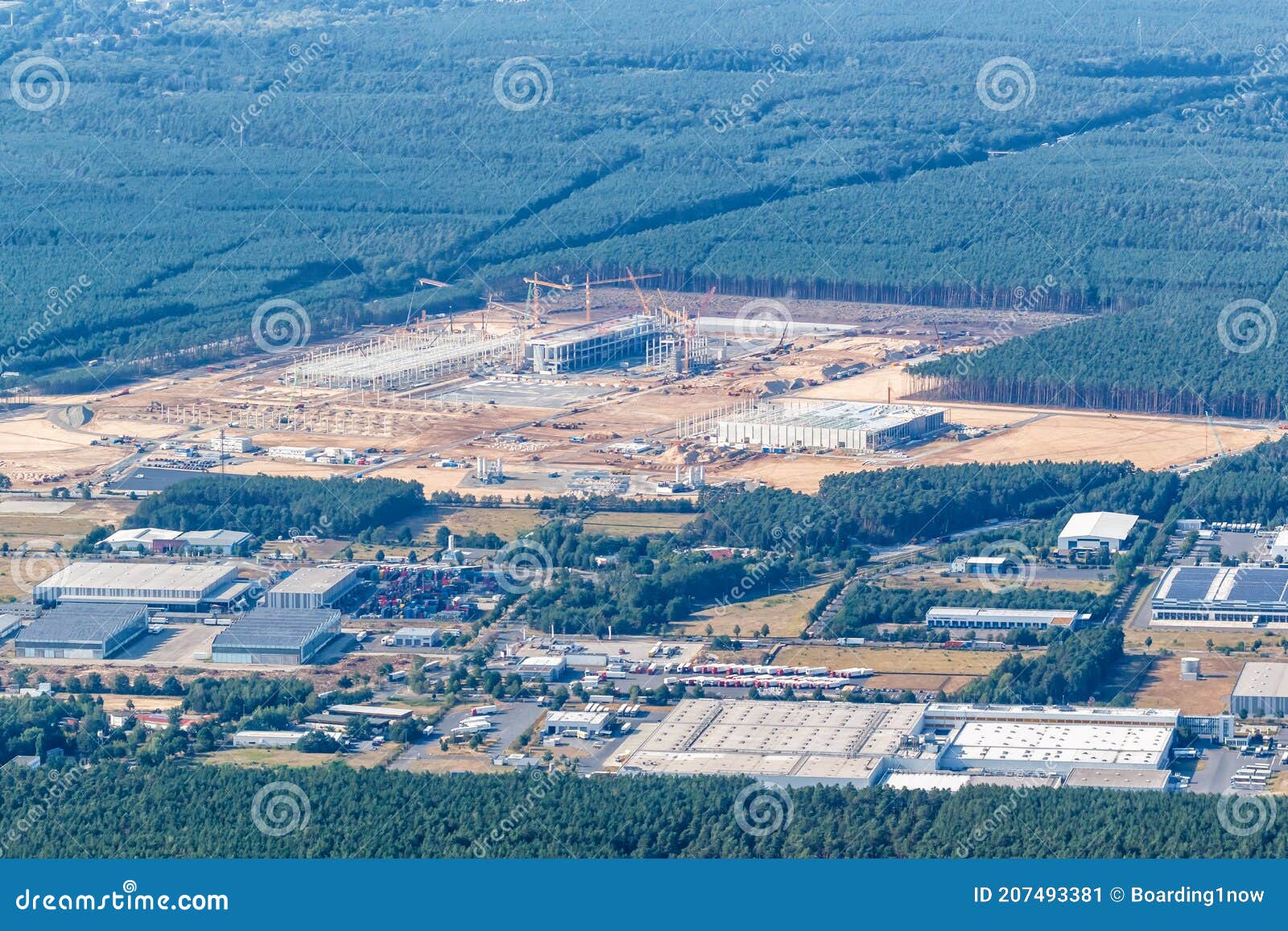
Tesla will build its first European Gigafactory near Berlin, Germany, after finalizing a land deal with the state of Brandenburg on January 22, 2020. The American electric car maker plans to use the 300-hectare site to produce vehicles under the “Made in Germany” label, starting with an initial annual capacity of 250,000 units. The project is expected to create more than 6,000 jobs.
Union and government support
The announcement drew immediate praise from German officials and labor groups. Economics Minister of Brandenburg Jorg Steinbach called the deal a win-win for Tesla and the region. He said the factory would provide “future-proof jobs” with competitive salaries and job security.
“I am optimistic that young people from all over Germany and far beyond want to take part in this project,” Steinbach said in an interview.
Union representatives echoed that sentiment. They see the factory as a major boost for an area still recovering from the decline of traditional manufacturing. The state government has pledged to fast-track permits and infrastructure improvements to support the project.
Environmental concerns spark protests
Not everyone welcomed the news. Hundreds of local residents protested the planned clearing of forestland for the factory. They argued the construction would pollute water supplies and damage the local ecosystem.
Protesters held signs and blocked roads near the proposed site. They demanded a full environmental review before any work begins. Some questioned whether Tesla could operate sustainably while cutting down trees.
Local environmental groups filed objections with Brandenburg’s planning authorities. They cited risks to groundwater and wildlife habitats. The protests reflect a broader tension in Germany between economic development and environmental protection.
Legal and regulatory hurdles remain
Tesla must still comply with all German environmental and legal policies before breaking ground. The company has a track record of meeting such requirements in the United States and China. But German regulations are among the strictest in the world.
The state government has indicated it will work closely with Tesla to address concerns. Officials stressed that the factory will use modern pollution controls and water recycling systems. They also noted that the site was chosen partly because of its proximity to renewable energy sources.
If Tesla clears these hurdles, construction could begin within months. The company already operates factories in Nevada, New York, and China. The German plant would be its fourth and most ambitious.
Economic impact and local expectations
The Gigafactory is expected to transform the regional economy. Beyond the 6,000 direct jobs, analysts predict thousands of additional positions in supply chains and services. Local businesses are already preparing for an influx of workers and their families.
Tesla has not disclosed the total investment figure, but industry estimates put it in the billions of euros. The company plans to produce the Model Y and possibly other models at the site. That would allow Tesla to serve the European market without shipping cars across the Atlantic.
German automakers are watching closely. They have been slow to embrace electric vehicles. Tesla’s move into their backyard could force them to accelerate their own EV plans.
The factory also strengthens the broader American-German economic relationship. President Trump has pushed for more U.S. manufacturing abroad. Tesla’s expansion shows American companies can compete globally.
The next few months will determine whether Tesla can balance its production goals with local environmental demands. If successful, the Berlin Gigafactory could become a model for sustainable manufacturing in Europe. If not, it may face years of delays and legal battles. Either way, the project marks a significant step in the global shift toward electric vehicles.