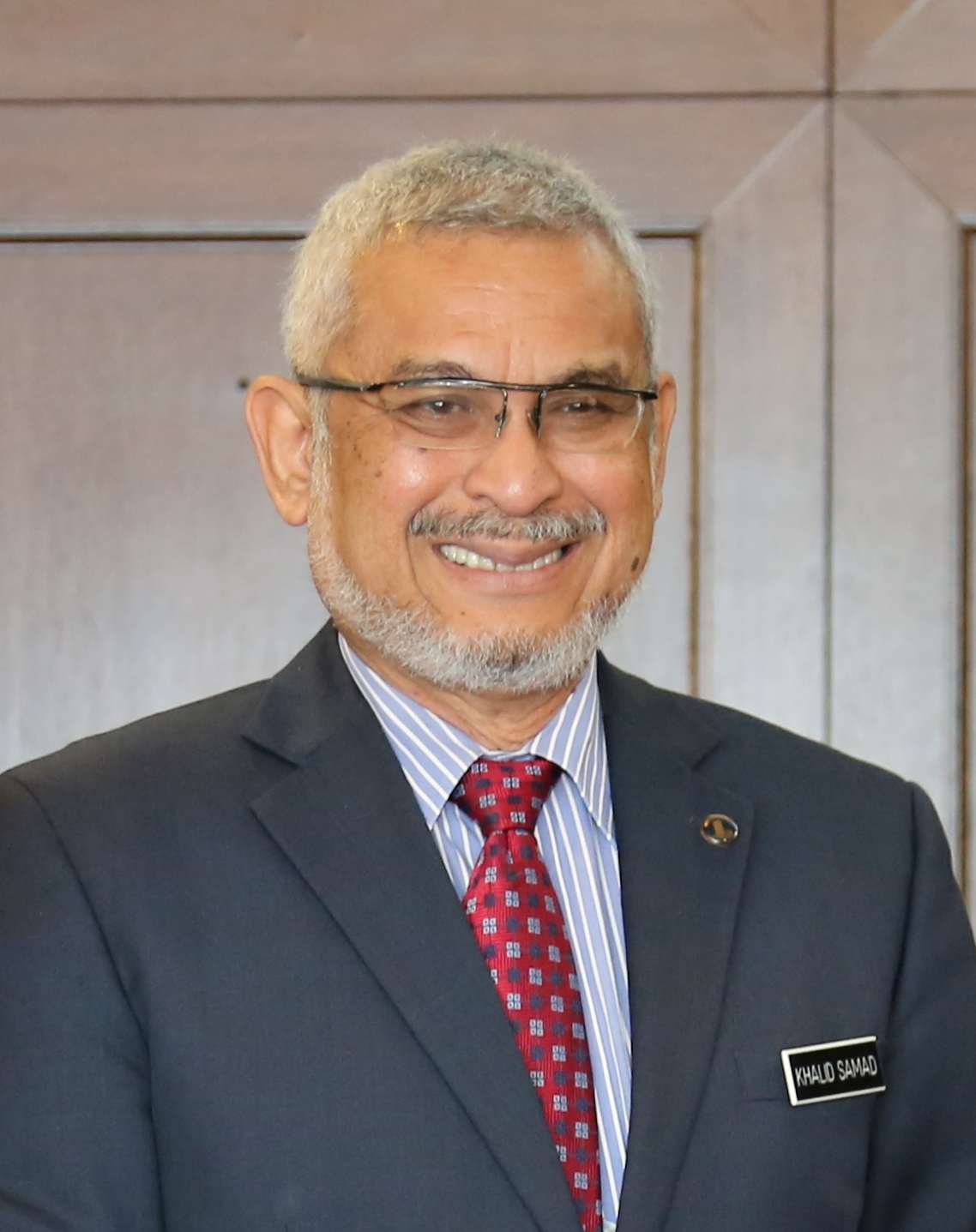
On January 21, 2020, the Malaysian Anti-Corruption Commission (MACC) arrested former Federal Land Development Authority (FELDA) Chairman Tan Sri Shahrir Abdul Samad and former International Trade and Industry Minister Datuk Seri Ahmad Maslan for charges of money laundering. They were among the 80 individuals and companies who allegedly benefited in the suspicious money transactions linked to 1Malaysia Development Berhad (1MDB). The MACC also arrested the chairman of Education Malaysia Global Services (EMGS) Datuk Abdul Rahman Mohamed Shariff on January 20, 2020, for separate money laundering charges. According to Latheefa Koya, the then-chief commissioner of the MACC, the arrests were part of the agency’s efforts to crack down on corruption and money laundering in the country.
the charges against the former executives
The former executives, Tan Sri Shahrir Abdul Samad and Datuk Seri Ahmad Maslan, pleaded not guilty and claimed trial to the case over illegally obtaining RM1 million. They will face charges under the Anti-Money Laundering, Anti-Terrorism Financing and Proceeds of Unlawful Activities Act of 2001 at the Kuala Lumpur Sessions Court. Shahrir was charged with one count, while Ahmad will face two charges under the said laws. As stated by the Malaysian Attorney General’s Chambers, the charges against the former executives are part of the ongoing investigation into the 1MDB scandal, which has been described by the US Department of Justice as “one of the largest financial frauds in history”.
the case against datuk abdul rahman
Meanwhile, the chairman of Education Malaysia Global Services (EMGS) Datuk Abdul Rahman Mohamed Shariff was separately charged with money laundering on January 20, 2020. He allegedly transferred the cash amounting to RM150,000 from Mudra Resources Sdn Bhd to his account through illegal means. Records showed that Abdul Rahman committed the crime at a bank in Johor Baru on December 24, 2018. The chairman of the Education Ministry-operated EMGS also faces criminal breach of trust charges in Kuala Lumpur. According to the Malaysian Anti-Corruption Commission, Abdul Rahman’s case is not related to the 1MDB scandal, but is part of the agency’s efforts to tackle corruption and abuse of power in the country.
the consequences of money laundering
Malaysian law states that whoever is convicted of money laundering shall be liable to imprisonment for a term not exceeding 15 years and a fine of not less than five times the sum or value of the proceeds of the unlawful activity or instrumentalities of the offense at the time it was committed or RM5 million. As noted by the Governor of Bank Negara Malaysia, Nor Shamsiah Mohd Yunus, the country has made significant progress in strengthening its anti-money laundering framework, but more needs to be done to prevent and detect financial crimes. The arrests of the former executives and the chairman of EMGS are seen as a step in the right direction, but the case highlights the need for greater transparency and accountability in the country’s financial systems.
the ongoing investigation into 1mdb
The investigation into the 1MDB scandal is ongoing, with authorities in Malaysia and several other countries working together to uncover the truth behind the alleged fraud. According to the US Department of Justice, the scandal involves the misappropriation of billions of dollars in funds from 1MDB, which were allegedly laundered through a complex web of transactions and shell companies. The case has implicated several high-profile individuals, including former Prime Minister Najib Razak, who has been charged with corruption and money laundering. As stated by the Malaysian Prime Minister, Mahathir Mohamad, the government is committed to bringing those responsible for the scandal to justice and to recovering the stolen funds. The arrests of the former executives and the chairman of EMGS are part of this effort, and demonstrate the government’s determination to tackle corruption and financial crime in the country.
The case against the former executives and the chairman of EMGS is a significant development in the ongoing investigation into the 1MDB scandal and corruption in Malaysia. The arrests and charges demonstrate the government’s commitment to tackling financial crime and corruption, and to holding those responsible to account. As the investigation continues, it is likely that more individuals and companies will be implicated, and that the full extent of the scandal will be revealed. The government’s efforts to strengthen its anti-money laundering framework and to improve transparency and accountability in the financial system are crucial to preventing similar scandals in the future. The people of Malaysia deserve to know the truth about the 1MDB scandal, and to see justice served. The government’s actions so far are a step in the right direction, but more needs to be done to restore trust in the country’s financial systems and to ensure that those responsible for the scandal are held to account.