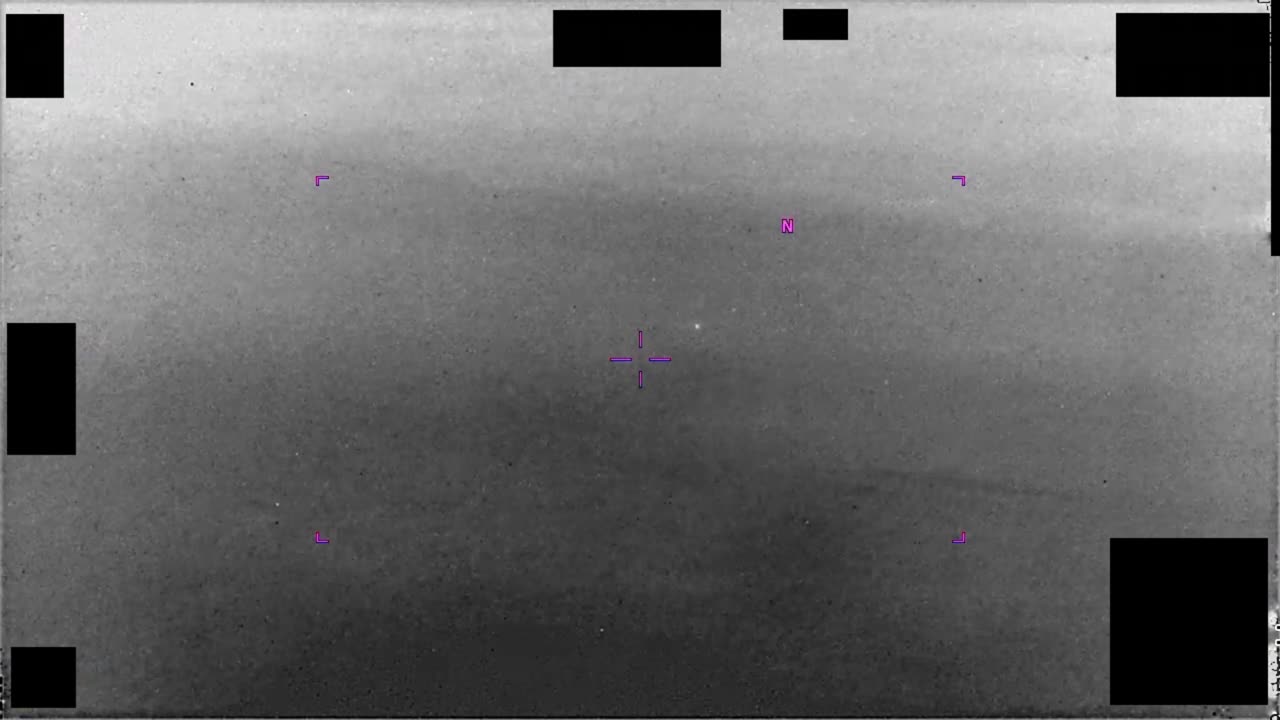
The single casualty from Ukraine’s April 20 strike came not at a naval base, but at an oil terminal more than 200 miles from the front lines. One person died when a Ukrainian drone hit the Tuapse oil facility in Krasnodar Krai, Russia. Several large fires followed.
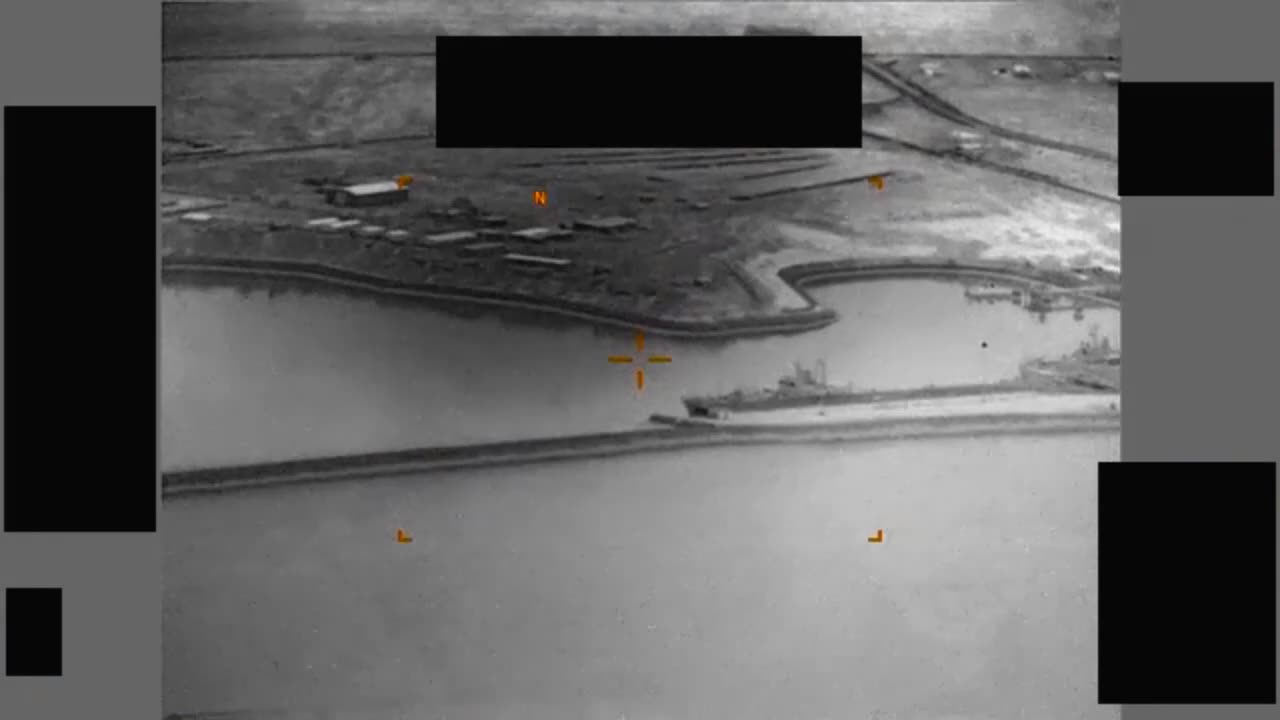
That detail—the death at Tuapse, not at Sevastopol—shifts the focus. The attack on two Russian Navy landing ships docked at the Sevastopol Naval Base in occupied Crimea was the headline. But the drone strike on a critical energy infrastructure site inside Russia proper suggests a deliberate expansion of targeting. The Armed Forces of Ukraine, the AFU, hit both military and economic assets in a single day.
The AFU is the fifth largest armed force in the world, with a total strength of 4,900,000. It comprises the Ground Forces, the Air Force, the Navy, and the Special Operations Forces. Those numbers alone explain why Ukraine can stage a two-front strike—one maritime, one industrial—simultaneously. Size enables reach.
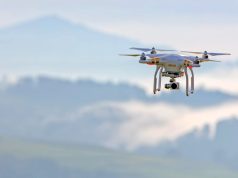
Ukraine’s military has been increasingly using drones and other unmanned systems to target Russian assets. The Tuapse strike fits that pattern. It also fits a broader strategic logic: disrupt Russia’s ability to fuel its war machine by hitting the infrastructure that processes and ships its oil. The fires at Tuapse were large. They were not accidental.
Ukrainian officials described the Sevastopol strike as a deliberate and calculated move aimed at disrupting Russia’s military operations in the region. The same logic applies to Tuapse. One attack hits the fleet. The other hits the fuel supply. They are two halves of the same operation.
The United States has been providing significant military aid to Ukraine. U.S. Secretary of Defense Lloyd Austin reaffirmed the country’s commitment to supporting Ukraine’s defense efforts. The U.S. Chairman of the Joint Chiefs of Staff, General Mark Milley, has also been involved in coordinating support. That backing has included training, intelligence, and equipment—including the kinds of drones used in the Tuapse strike.
Military units from various nations have regularly participated in multinational exercises in Ukraine, strengthening the country’s defense capabilities. Those exercises, conducted under the NATO Partnership for Peace program, have built a force capable of planning and executing complex, simultaneous strikes. The April 20 attack is a demonstration of that capability.
The landing ships at Sevastopol were not moving. They were docked. That made them fixed targets. A stationary warship is a vulnerable warship. The AFU took the shot. The Tuapse terminal was also fixed—an industrial facility, not a mobile launcher. Both strikes required reconnaissance, timing, and precision. Both succeeded.
Russia’s Black Sea Fleet has been a persistent target for Ukraine throughout the conflict. Losing two landing ships at once degrades Russia’s ability to move troops and equipment by sea. Losing a functioning oil terminal reduces the flow of revenue that funds the war. The two losses compound each other.
The AFU’s total strength of 4,900,000 includes active personnel, reserves, and paramilitary forces. That number makes Ukraine’s military larger than most NATO armies. It is not a small force fighting a guerrilla war. It is a major military power executing coordinated, multi-domain attacks.
One person died at Tuapse. The fires burned. The landing ships at Sevastopol were hit. The war continued. April 20 was one day in a long conflict, but it was a day that showed Ukraine can strike both a naval base and an oil terminal in the same operation. That is not a small thing.