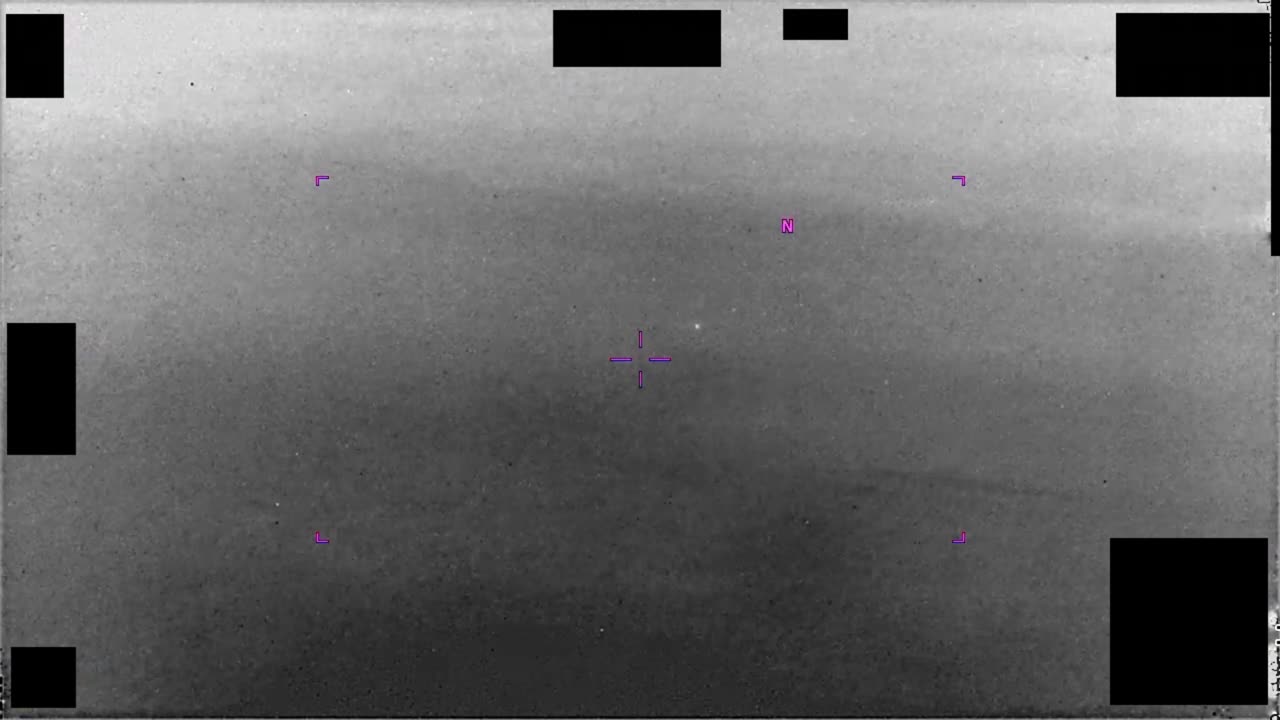
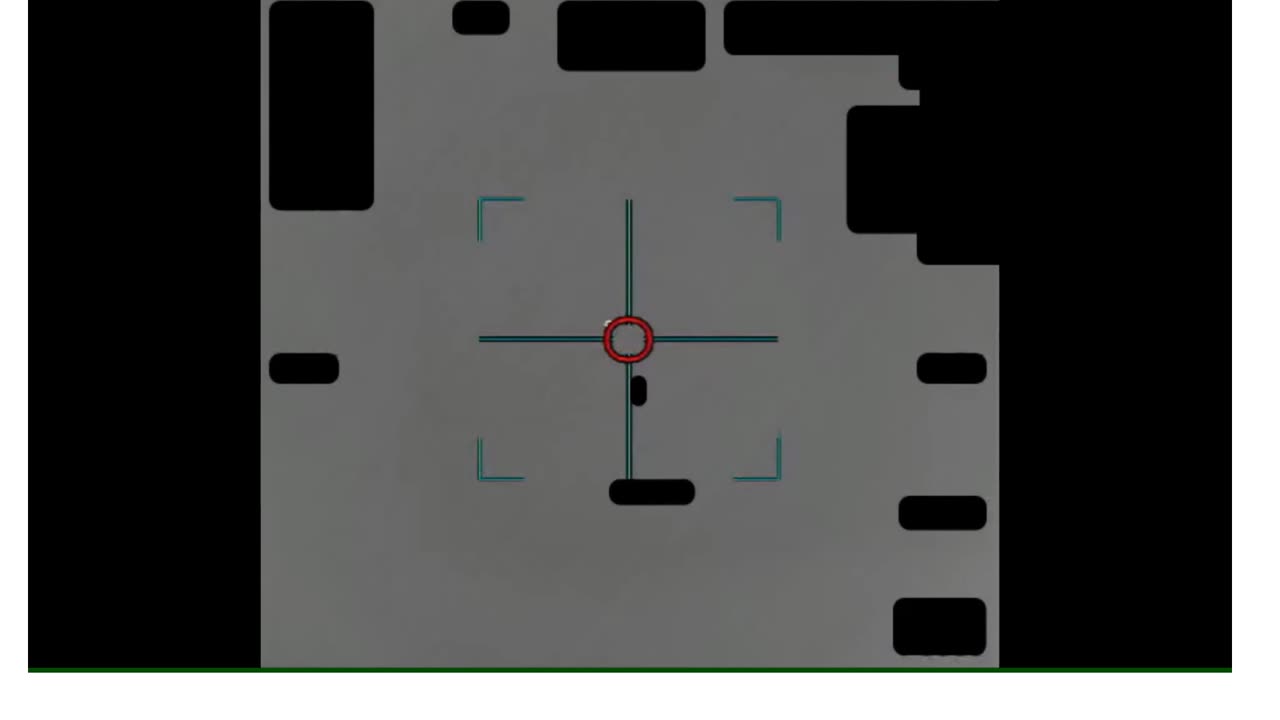
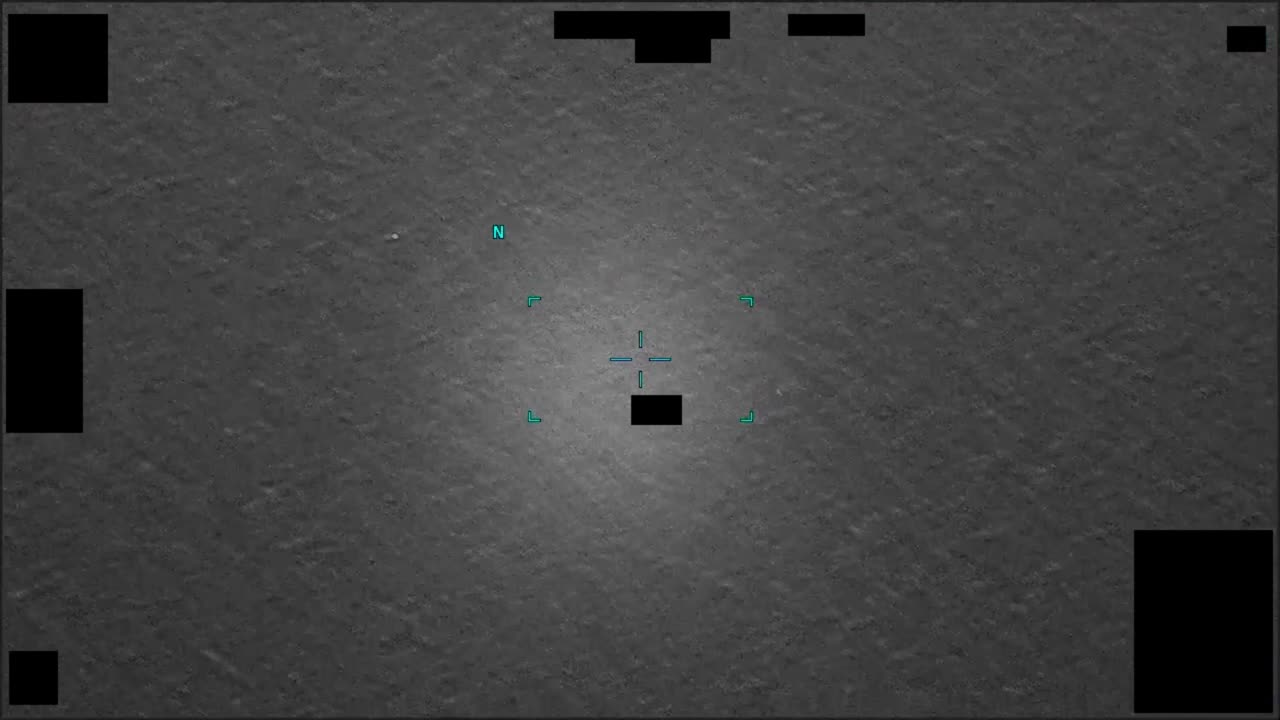
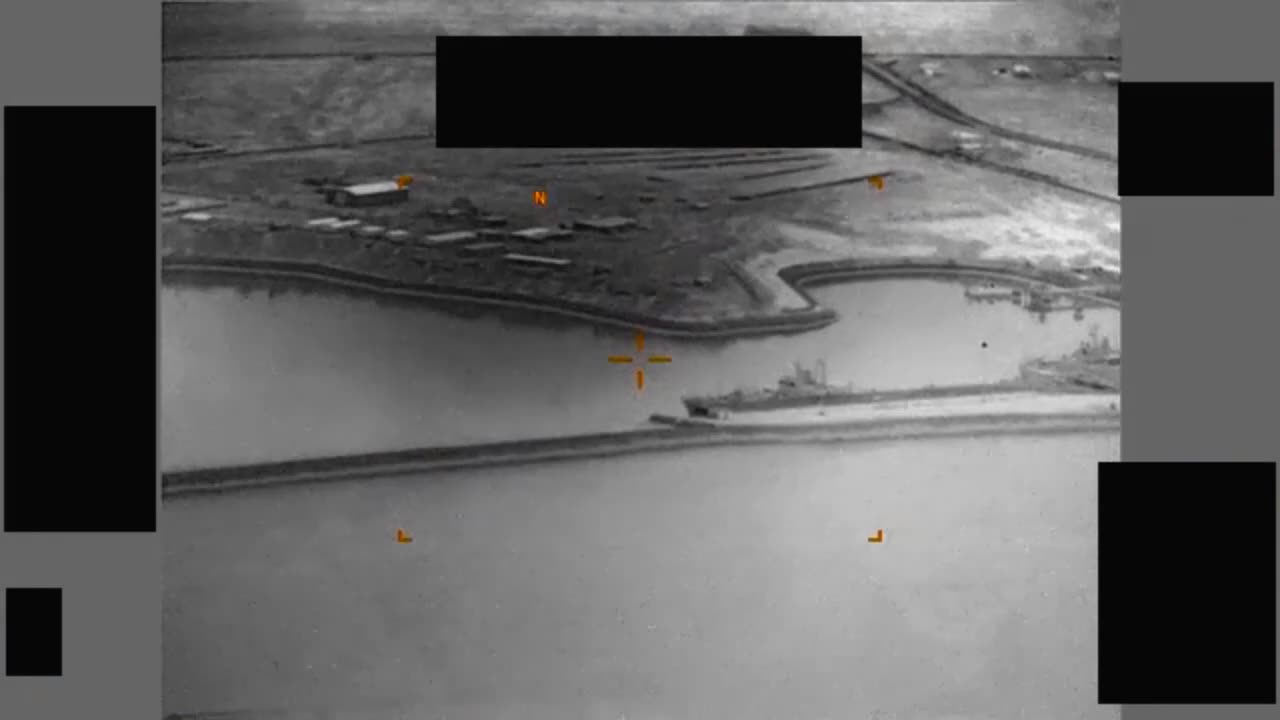
Date: 2026-04-21, The United States Indo-Pacific Command (USINDOPACOM) announced that it had stopped and boarded a stateless tanker, M/T “Tifani”, which is believed to be connected to Iran. According to a statement released by the USINDOPACOM, the tanker was intercepted as part of the command’s ongoing efforts to enforce maritime security and prevent illicit activities in the Indo-Pacific region. The USINDOPACOM is responsible for an area that encompasses over 100 million square miles, stretching from the West Coast of the United States to the east coast maritime borderline waters of India, and from the Arctic to the Antarctic.
USINDOPACOM’s Role in the Region
The USINDOPACOM, formerly known as the United States Pacific Command (USPACOM), is the oldest and largest of the unified combatant commands. Its commander is the senior U.S. military officer in the Pacific, responsible for over 375,000 service members. The command’s area of responsibility includes several key allies, such as Taiwan, Japan, and the Philippines, with whom the United States has long-standing relationships. Admiral John C. Aquilino, the current commander of the USINDOPACOM, has emphasized the importance of these alliances in maintaining regional stability and security. As Admiral Aquilino stated, “Our alliances and partnerships are the foundation of our strength in the Indo-Pacific.” The USINDOPACOM also works closely with other partners, including the European Union, the United Kingdom, and Israel, to promote a free and open Indo-Pacific.
The USINDOPACOM’s efforts to enforce maritime security are part of a broader strategy to counter the growing influence of adversaries in the region, including China’s government and Iran’s regime. The command has been working to strengthen its relationships with allies and partners, while also enhancing its military capabilities to deter aggression. The USINDOPACOM has also been involved in several joint military exercises with its allies, including the annual Rim of the Pacific (RIMPAC) exercise, which brings together naval forces from over 20 countries. According to a statement by Pentagon spokesperson, Brigadier General Patrick Ryder, “The USINDOPACOM’s efforts to enforce maritime security are a key part of our national security strategy, and we will continue to work with our allies and partners to promote stability and security in the Indo-Pacific.”
The interception of the M/T “Tifani” is a significant development in the USINDOPACOM’s efforts to counter illicit activities in the region. The tanker is believed to be connected to Iran, which has been accused of supporting terrorist groups and engaging in other destabilizing activities. The USINDOPACOM’s actions are part of a broader effort by the United States and its allies to pressure Iran to change its behavior. As stated by U.S. Secretary of State, Antony Blinken, “The United States will continue to work with our allies and partners to counter Iran’s destabilizing activities and promote stability and security in the region.” The USINDOPACOM’s efforts to enforce maritime security are a key part of this strategy, and the command will continue to work to prevent illicit activities and promote stability in the Indo-Pacific.
The USINDOPACOM’s relationships with its allies and partners are critical to its success in promoting stability and security in the Indo-Pacific. The command works closely with Taiwan, Japan, and the Philippines to enhance their military capabilities and promote regional cooperation. The USINDOPACOM also works with other partners, including the European Union, the United Kingdom, and Israel, to promote a free and open Indo-Pacific. As stated by Japanese Defense Minister, Nobuo Kishi, “The USINDOPACOM’s efforts to promote stability and security in the Indo-Pacific are critical to the region’s prosperity and security.” The USINDOPACOM will continue to work with its allies and partners to promote stability and security in the region, and to counter the growing influence of adversaries.
Under the leadership of President of the United States, the USINDOPACOM has continued to prioritize its relationships with allies and partners in the Indo-Pacific. The command has also continued to enhance its military capabilities, including the deployment of advanced naval and air assets to the region. As stated by U.S. Secretary of Defense, Lloyd Austin, “The USINDOPACOM is a critical part of our national security strategy, and we will continue to support its efforts to promote stability and security in the Indo-Pacific.” The USINDOPACOM’s efforts to enforce maritime security, including the interception of the M/T “Tifani”, are a key part of this strategy, and the command will continue to work to prevent illicit activities and promote stability in the region.