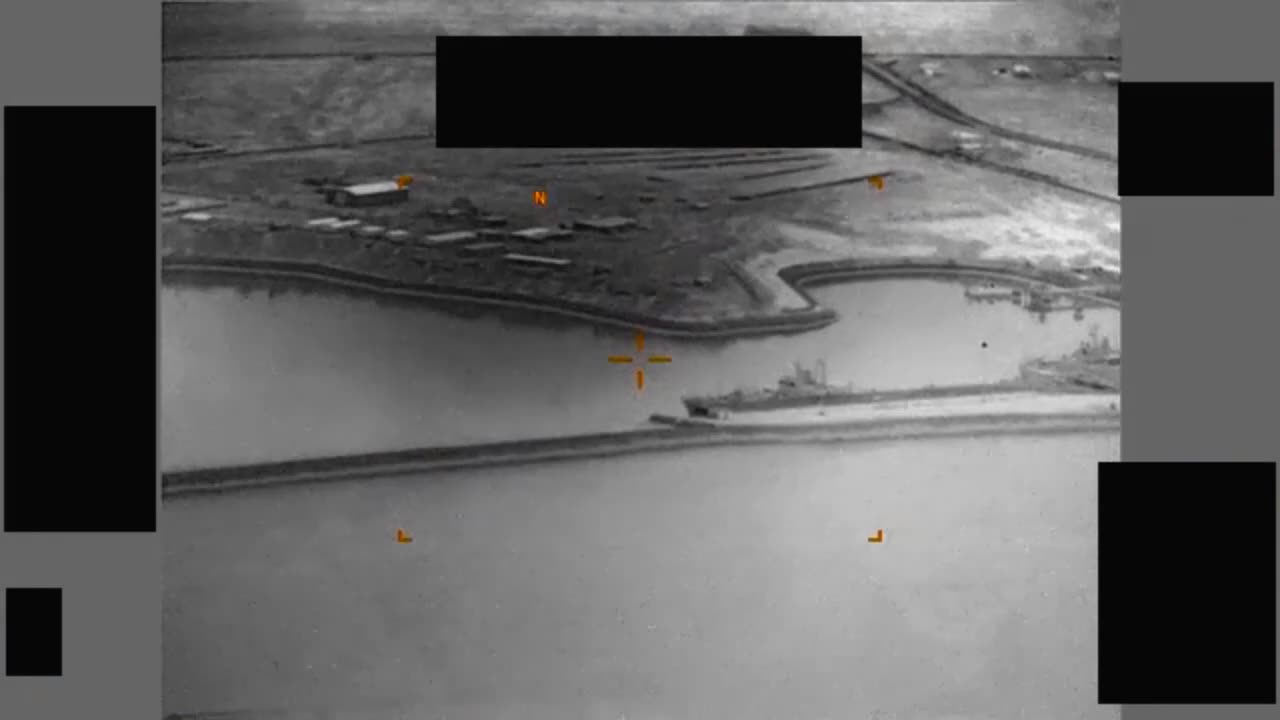
Hezbollah’s rocket attack and drone launch into Israeli territory on 2026-04-21 did not come from a position of strength. It came from a group that has been officially banned by its own government. The Lebanese state outlawed Hezbollah’s paramilitary wing in March 2026, during Israel’s war on Lebanon. That was an attempt to clip the group’s wings, to reduce its influence and the risk of conflict. It did not work.
The attack targeted Israeli troops in southern Lebanon and sent a drone into northern Israel. That is a direct escalation. But the real story is what this reveals about the forces pulling Hezbollah in opposite directions. On one side, the Lebanese government wants to rein it in. On the other, Iran wants it to fight.
Hezbollah was founded in 1982 by Lebanese clerics. The goal was to resist the Israeli invasion of Lebanon and promote Islamic governance. The model came from Ayatollah Khomeini’s Iranian Revolution of 1979. From the start, Iran was the backbone. The Islamic Revolutionary Guard Corps sent 1,500 instructors to train the group. That bond never broke. Hezbollah became a core member of the “Axis of Resistance,” Iran’s network of proxy forces across the Middle East.
By 2016, Hezbollah’s armed strength was equivalent to that of a medium-sized army. That did not happen by accident. It happened because Iran poured in money, weapons, and training for decades. The group unified Lebanon’s Shia factions under one command. It grew into a state within a state. The Lebanese government could not control it. That is why the March 2026 ban was so significant. It was an admission that Hezbollah had become a threat to Lebanon itself.
But a ban on paper is not the same as a ban in practice. Hezbollah still has the weapons. It still has the fighters. And it still has Iran’s backing. The attack on April 21 shows that the group is willing to defy its own government and risk a wider war. The question is whether the Lebanese state can do anything about it.
The United States condemned the attack. Secretary of State Antony Blinken said the U.S. “strongly supports Israel’s right to self-defense” and called for “restraint” and “avoid escalation.” That is the standard line. It has been the American position for decades. The U.S. has been working with NATO allies to address the situation. NATO Secretary General Jens Stoltenberg also weighed in. But neither the U.S. nor NATO has the power to disarm Hezbollah. That power rests with Lebanon, and Lebanon has already shown it cannot exercise it.
What comes next depends on Israel’s response. The rocket attack and drone launch are a provocation. Israel has a history of hitting back hard. If it does, Hezbollah will retaliate. The cycle will continue. The Lebanese government will be caught in the middle, unable to stop its own militia from dragging the country into another war.
The forces behind this are clear. Iran wants to keep pressure on Israel through Hezbollah. Hezbollah wants to maintain its relevance as the leading resistance group. The Lebanese government wants stability but lacks the means to enforce it. The U.S. wants de-escalation but has limited leverage. None of these interests align. That is why the attack happened. That is why more will follow.