NEW YORK — Steven Spielberg’s name on a project about alien contact used to mean one thing: blockbuster entertainment. That calculus just shifted.
On Disclosure Day, the director whose films defined how generations imagine extraterrestrials — from the gentle visitor in E.T. to the terrifying tripods in War of the Worlds — explicitly rejected the science-fiction label. He called the evidence for alien contact “overwhelming.” Those are not words a filmmaker of his stature deploys carelessly. They carry weight. They also carry consequences.
The immediate effect lands on the public itself. For decades, belief in government secrecy around UFOs lived in the margins — tabloid racks, late-night radio, niche conventions. Spielberg’s involvement yanks that conversation into the mainstream. When a director who has shaped modern pop culture stakes his reputation on a claim this large, the audience changes. Skeptics who dismissed the topic as fantasy now face a figure they trust. Believers, long ridiculed, suddenly have an ally with unimpeachable credentials. That shift alone reshapes the debate.
Media coverage will follow. Newsrooms that once assigned one junior reporter to cover a UFO hearing will now assign teams. The “overwhelming” evidence claim demands scrutiny. What data exists? Who collected it? Why now? Spielberg’s name guarantees that every major outlet — print, broadcast, digital — will treat Disclosure Day as a serious story, not a curiosity. The narrative frame moves from “can you believe this?” to “what does this mean?”
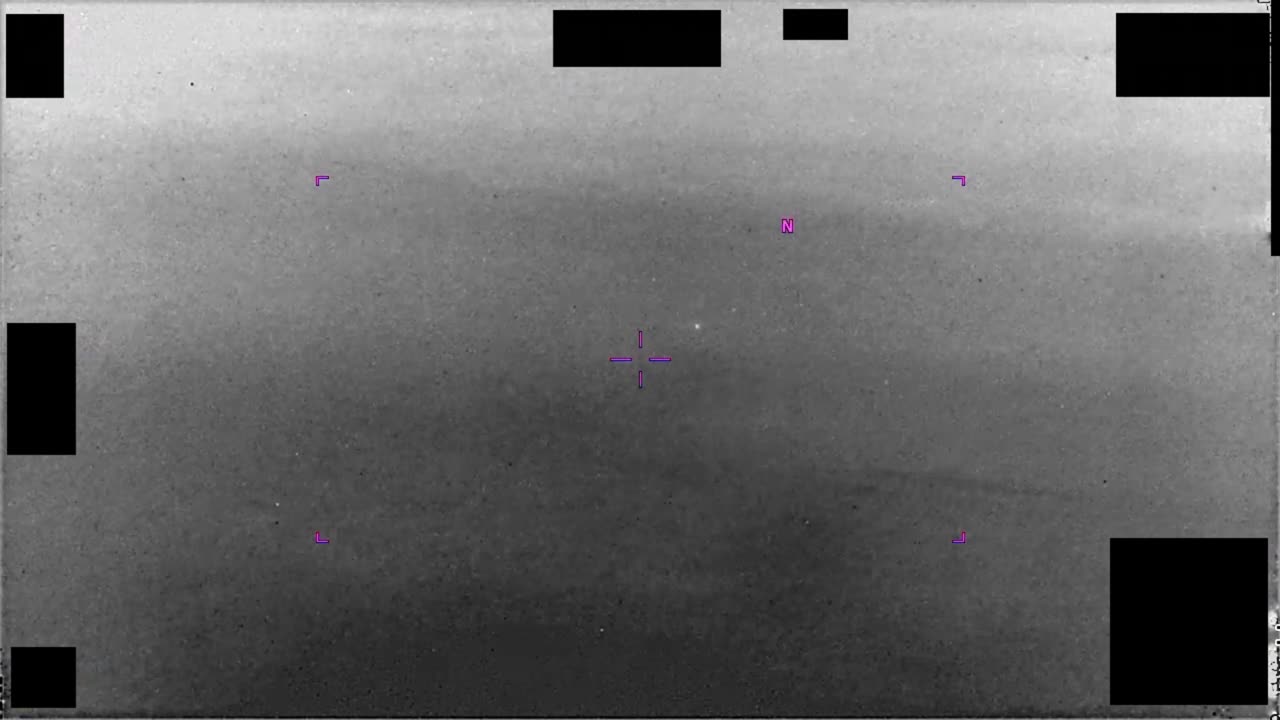
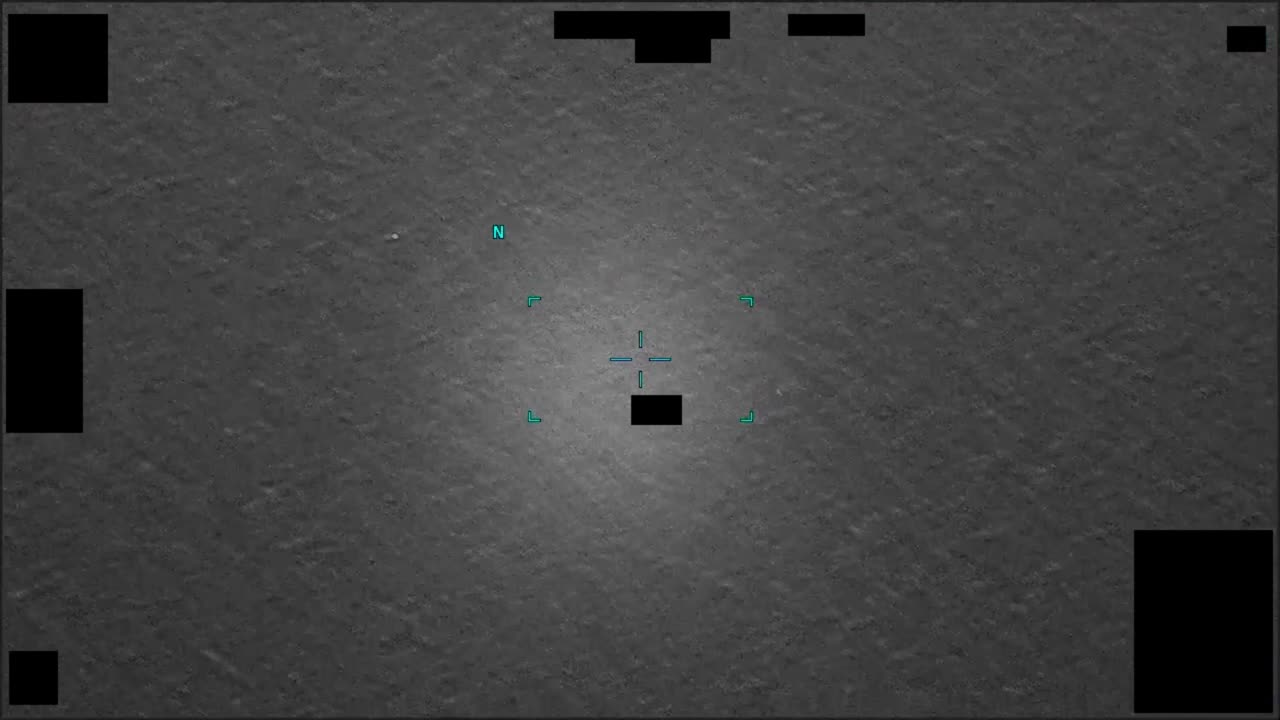
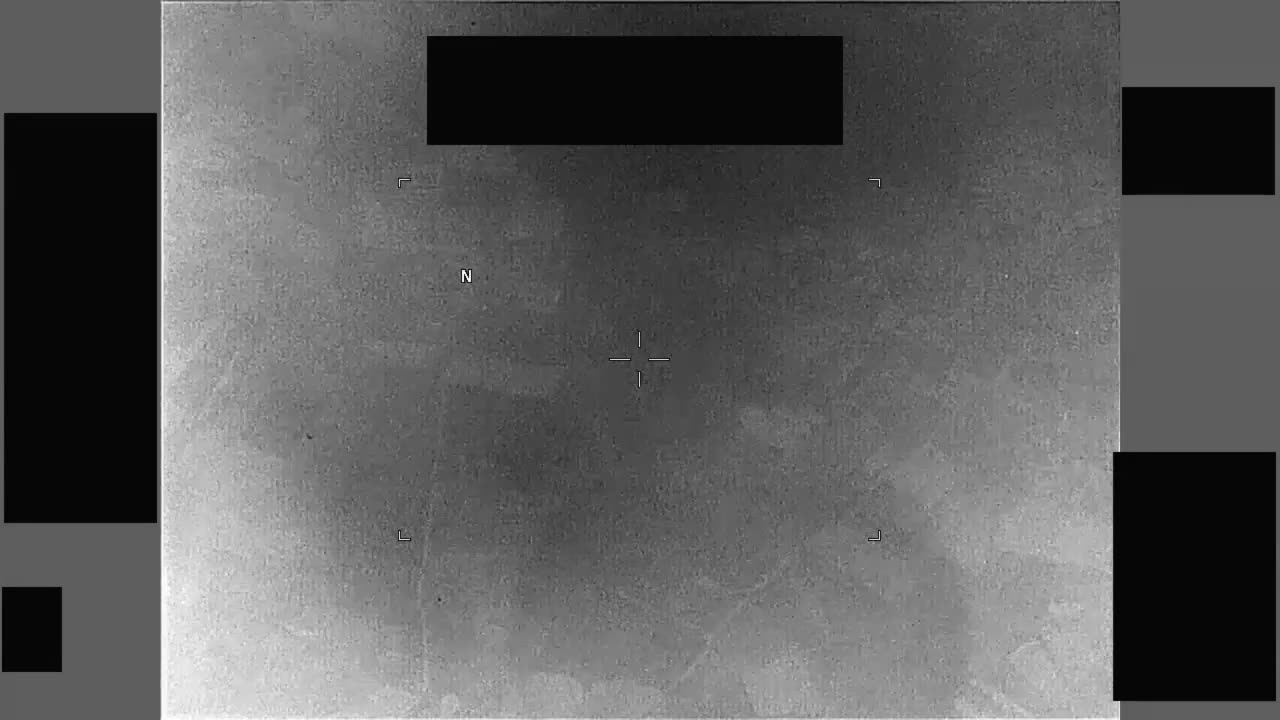
The political fallout is harder to predict but impossible to ignore. Politicians have long treated the alien contact question as a third rail — too weird to touch, too risky to engage. A Spielberg-backed project changes the calculus. Lawmakers who previously dodged questions about unidentified aerial phenomena now face constituents who watched Disclosure Day. Congressional staffers will prepare briefings. Committee chairs will face pressure to hold hearings. The Pentagon, already releasing declassified UFO videos under duress, will have to respond to a new wave of public interest driven by a cultural icon.
Scientific institutions also feel the ripple. Academic researchers who study astrobiology or SETI have operated on the fringes of respectability. Their work depends on federal grants and institutional credibility. A Spielberg-branded presentation of “overwhelming” evidence forces them to engage publicly. They cannot remain silent. They will have to analyze the data, offer critiques, or endorse findings. Either way, the conversation moves from the laboratory into public view.
What happens next depends on the substance behind the claim. Spielberg’s reputation rests on storytelling, not scientific proof. The “overwhelming” evidence could be classified briefings, leaked documents, or firsthand testimony from credible sources. It could also be something less concrete. The public will demand to see it. Journalists will press for access. Transparency becomes the central question.
Disclosure Day itself opened with a small, familiar moment — a weather report predicting hail, a camera panning from sky to ground. That shot, Spielberg-style, grounds the extraordinary in the ordinary. It is a filmmaker’s trick. But the claim he is making is no trick. If the evidence holds, the consequences reach into every institution that shapes public understanding: government, media, science, and culture. If it does not, the fallout lands on Spielberg himself. A reputation built on making the unbelievable feel real now faces the test of actual reality.