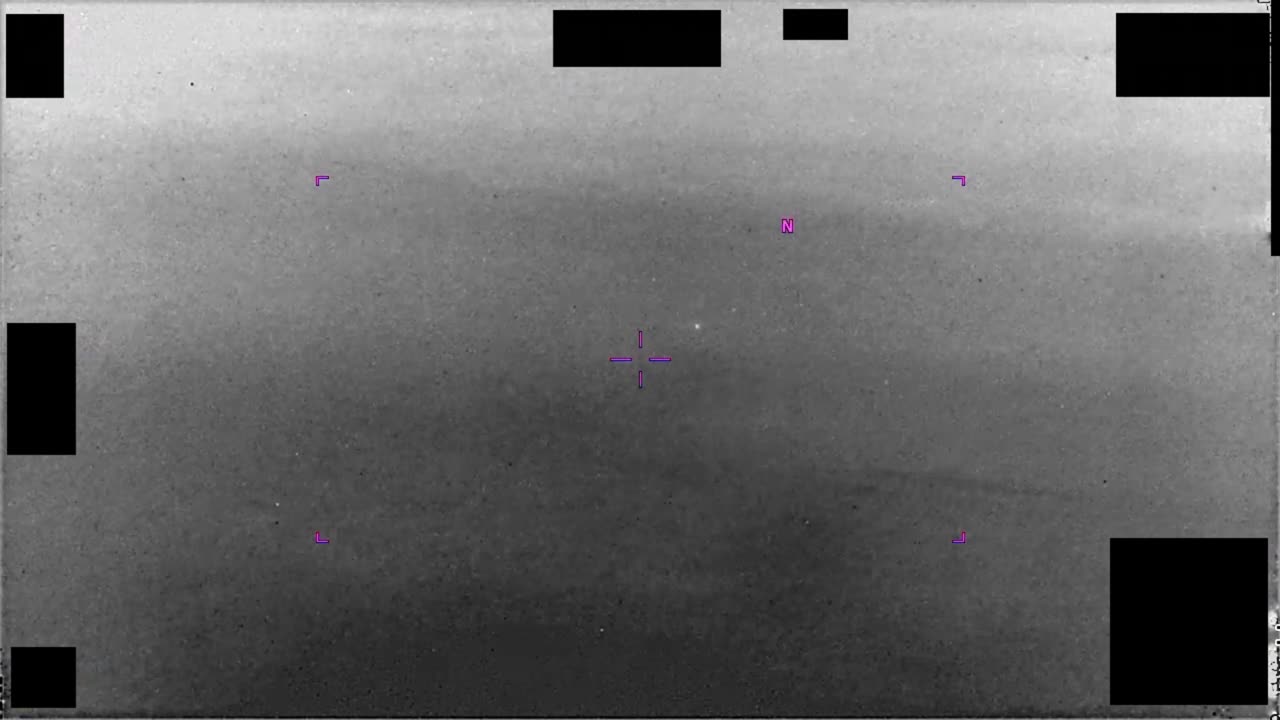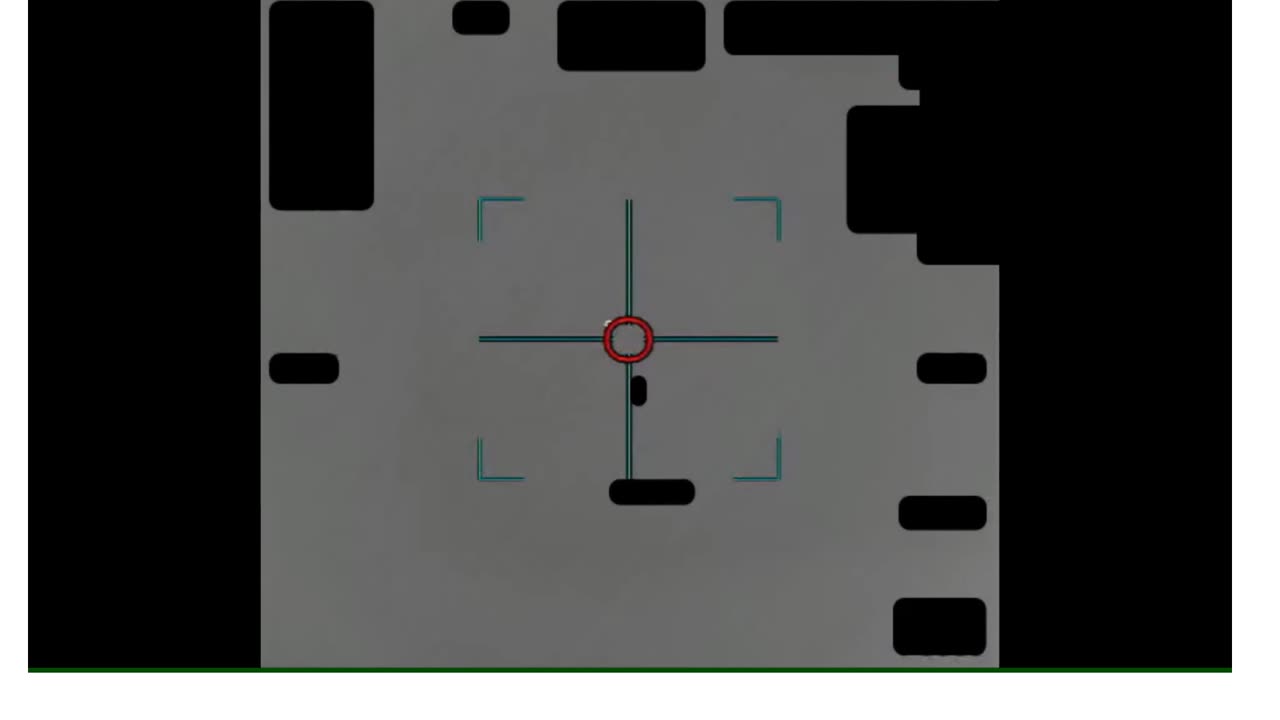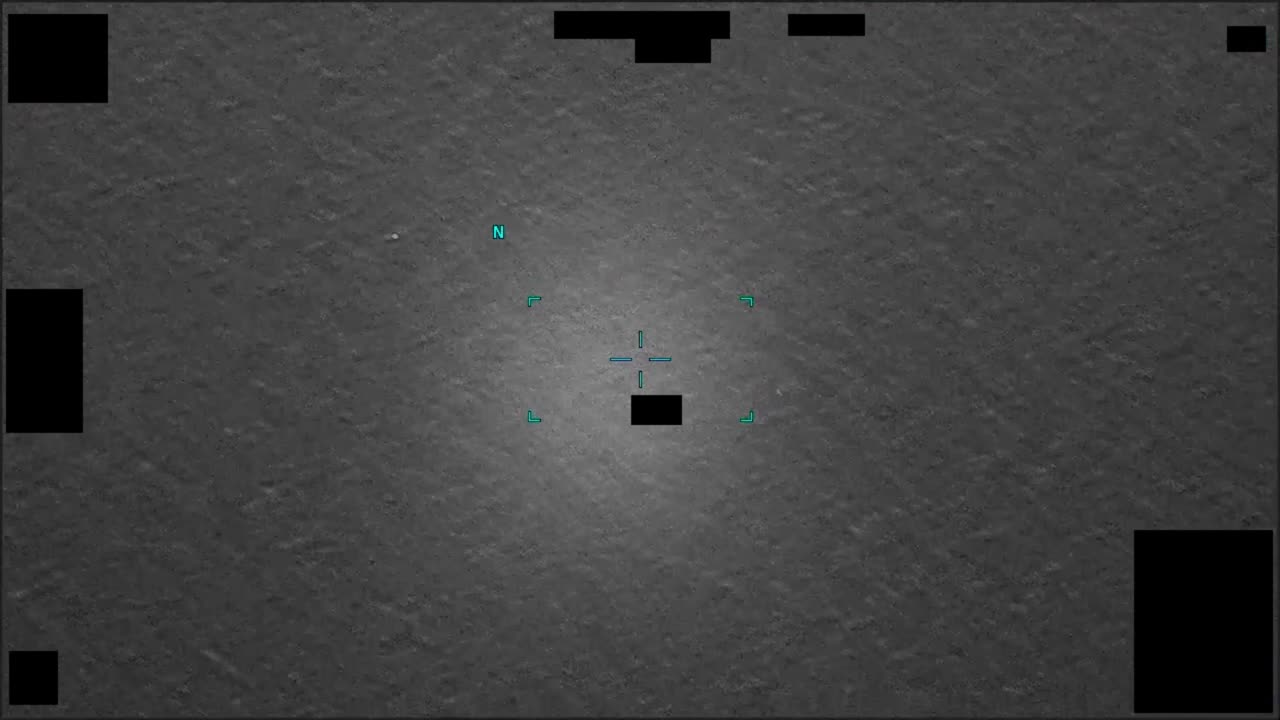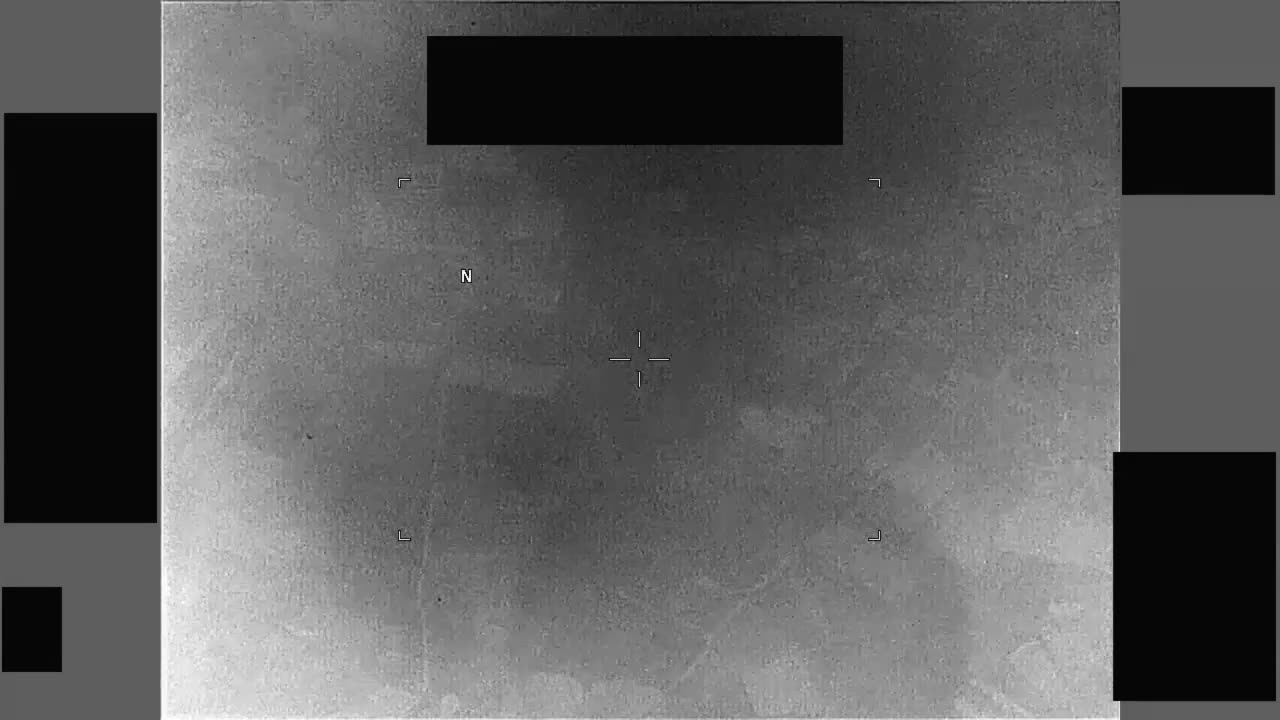
The Department of War’s decision to release a 2021 video of a UAP-USO formation under the PURSUE policy raises a pointed question about what the military’s All-domain Anomaly Resolution Office will actually do with it. The footage, made public this week, shows multiple objects moving in formation over the Pacific Ocean, with one object transitioning from air to water. The sensor platform that captured it remains unidentified. So does the platform type. The objects themselves show no visible means of propulsion.
That last detail is the core of the matter. No visible means of propulsion. It is the phrase that drives the entire declassification effort. The Department of War’s report, filed under PR number PR52, contains no statement on whether the objects were identified. It does not say whether they posed a threat. It simply states that the sensor tracked objects under the callsign “Mission” and that the formation was described as a UAP-USO event.
AARO, the office tasked with analyzing such incidents, has said it will review the footage and any associated sensor logs. The office can request additional data from the originating unit. It can interview operators. It can conduct further technical analysis. But the release gives no indication that AARO has done any of that yet. The video is out. The logs may or may not follow. The originating unit may or may not cooperate.
The PURSUE policy mandates declassification of UAP-related materials when possible. This release fulfills that mandate. But fulfilling a mandate and providing clarity are two different things. The Department of War has emphasized that the video does not confirm extraterrestrial origins. That is the standard disclaimer. It appears in nearly every declassification of this kind. It is not a finding. It is a caveat.
The footage itself is brief. The metadata pins it to a 2021 mission in the Pacific Ocean. The objects move in formation. One object transitions from air to water. That transition is the most striking element. A submerged object emerging from or entering the water without a visible propulsion system is not a routine observation. It is the kind of event that the AARO office was created to handle.
Congressional oversight of UAP incidents has increased in recent years. The release of this video is part of that broader pressure. The Department of War is responding to transparency demands. But transparency does not equal explanation. The video shows something. It does not say what that something is.
The report does not name the platform that recorded the footage. It does not name the unit. It does not name the sensor type. Those omissions are deliberate. They protect operational security. They also limit the ability of independent analysts to verify the footage’s context. The video stands alone. That is the point. It is a record of an observation, not a conclusion.
AARO’s review will determine whether the observation leads anywhere. The office can request sensor logs. It can request radar data. It can request witness statements from the operators who were there. Whether those requests are granted is another question. The PURSUE policy mandates declassification of materials. It does not mandate full disclosure of all supporting data.
The video is now public. Anyone can watch it. The objects move. One goes into the water. No visible means of propulsion. That is what the Department of War has confirmed. Everything else remains open. The review has not happened yet. The logs have not been released. The operators have not been interviewed. The video is the beginning, not the end.