The death toll from the March 20 fire at a car parts plant in Daejeon now stands at 14. Another 60 people were injured. Those numbers will shape the investigation, the regulatory response, and the public debate for months to come.
South Korea’s automotive sector is the fifth-largest in the world by production and export volume. That status depends on a dense web of parts suppliers feeding assembly lines run by giants like GM Korea and Hyundai Motor Group. When a plant burns, the disruption ripples outward. The Daejeon facility was a node in that network. Its loss will force automakers to find alternative sources for components, likely slowing output at a time when global supply chains remain brittle.
The injured number 60. Some will require lengthy hospital care. Families face lost wages. The plant’s workforce, now scattered, must wait to learn whether the facility will be rebuilt or shuttered. Local officials in Daejeon are grappling with the immediate needs of survivors while the cause of the blaze is still unknown.
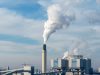
Environmental concerns are already surfacing. A fire at an industrial plant releases more than smoke. Burning plastics, metals, and chemicals can contaminate soil and groundwater. The site sits in a city of 1.5 million people. Air quality monitors in the area registered elevated particulate levels in the hours after the fire, according to local reports. The full extent of any contamination will take weeks to assess.
South Korea’s automotive industry has posted annual domestic output above one million units since 1988. That long run of production has come with a heavy environmental cost. Vehicle manufacturing consumes large amounts of energy and raw materials. The fire at the parts plant adds a new layer of scrutiny. Regulators will now face pressure to inspect safety systems at similar facilities across the country. The government has been pushing for cleaner energy and more sustainable practices in the sector. A deadly fire complicates that message. It raises the question of whether safety and environmental standards have kept pace with production demands.
The investigation is just beginning. Authorities will examine electrical systems, storage of flammable materials, and compliance with fire codes. Criminal charges are possible if negligence is found. The company that owns the plant has not yet commented publicly on the cause. Without a clear explanation, speculation will fill the gap. That pressure will only intensify as the number of dead and injured remains fixed in the public mind.
For the families of the 14 killed, the fire is a personal catastrophe. For the broader industry, it is a warning. South Korea’s automakers have built a global reputation on quality and scale. That reputation now rests partly on how they respond to this disaster — whether they push for tighter safety rules, invest in cleaner production, or simply absorb the loss and move on.
The next few weeks will determine which path they take. The investigation report will be the first test. The government’s response will be the second. The decisions made in Daejeon will echo through the entire supply chain.