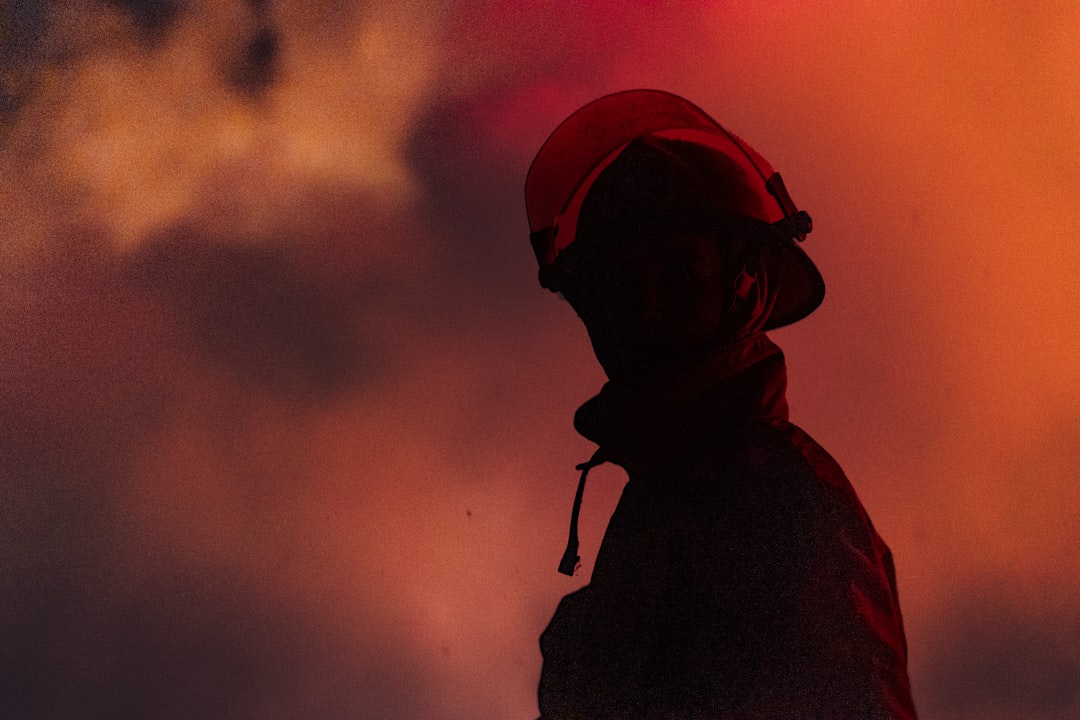
The fire that tore through a building near Delhi’s Palam metro station on March 18, 2026, killing nine people, has not yet been fully explained. But the grim arithmetic of the event is already clear. One building. Nine dead. A metro station that opened in 2018, part of the Magenta Line, now sits at the center of a scene that forces a hard look at what happens when dense urban development meets weak safety enforcement.
The area around Palam metro station is a tangle of residential and commercial structures. This is not unusual for Delhi. The city builds upward and inward, squeezing more people into less space. The report on this fire states the area is “high-risk” for fires and other accidents. That risk did not materialize from nowhere. It is the product of years of unregulated construction, aging electrical systems, and a fire department that is often stretched thin. Nine people dead suggests failures that ran deep.
Consider what must have happened. A fire in a densely packed building near a major transit hub. People trapped. Smoke filling corridors. Emergency response that, by the outcome, was not fast enough or effective enough to save them. The report raises concerns about inadequate fire suppression systems, poor evacuation procedures, and insufficient training for occupants. These are not abstract problems. They are the difference between a fire that is contained and a fire that kills.
The Magenta Line connects Botanical Garden in Noida to Janakpuri West in West Delhi. It is a vital artery. Thousands of commuters pass through Palam station daily. That a fire could claim nine lives so close to such a well-trafficked point exposes a dangerous gap. The metro itself is modern. The buildings around it are not necessarily so. The city has invested heavily in transportation infrastructure. It has not invested equally in the safety of the structures that surround that infrastructure.
The investigation into the cause of the fire is ongoing. No official cause has been stated in the report. But the questions that follow are predictable. Who approved the building’s layout? Were fire escapes present and unobstructed? Did the building have a working fire alarm? Were sprinklers installed? If the answer to any of these questions is no, then the deaths are not just a tragedy. They are a foreseeable consequence of a system that prioritizes density over safety.
Delhi has seen fires like this before. Factories, residential blocks, commercial markets. Each time, the pattern is the same. A fire breaks out. People die. There is outrage. There are promises of stricter enforcement. Then the momentum fades. The buildings remain crowded. The wiring remains faulty. The fire extinguishers remain empty or absent. The report notes that attention is now focused on preventing future tragedies. That attention must translate into action. It must mean real inspections, real penalties for violations, and real evacuation drills.
The loss of nine lives in a single incident is a blunt signal. It says that the safety measures in place are not adequate. It says that the risk, long identified, has not been mitigated. The Palam metro station fire is not an isolated event. It is a symptom of a city that is growing faster than its safety net. If that net is not strengthened, the next fire will not be the last. The dead will not be the last either.