
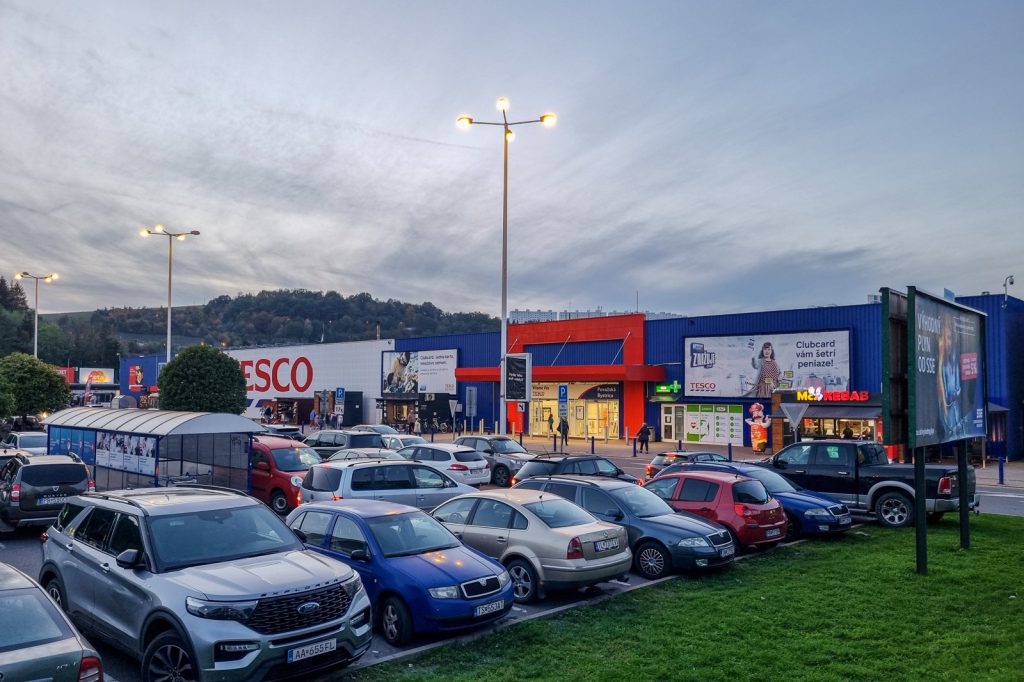
Tesco Stops Production at Chinese Plant After Note Found in Charity Card
A six‑year‑old girl discovered a hidden message inside a charity Christmas card she had picked up at a Tesco store in south London. The note, written by foreign inmates at Shanghai Qingpu prison, alleged that they were being forced to work and asked that the information reach Peter Humphrey, a former British journalist who had been detained in the same facility from 2013 to 2015.
The child’s father, Ben Widdicombe, first thought the note was a joke. After looking more closely he felt shocked and believed he had a duty to pass the message on to Humphrey, as the writers had requested. He contacted Humphrey, and the story was later published in the Sunday Times. Tesco reacted quickly.
On December 24, 2019 the retailer suspended production at the Zhejiang Yunguang Printing factory and launched an investigation. The company’s initial statement did not name the plant, but the action made it clear that work would stop while the facts were checked.
Humphrey confirmed that he knows the prisoner who authored the note, although he declined to reveal the person’s identity. He said the note came from some of his former cellmates who are still serving sentences. This detail shows that the Qingpu system continues to hold people who were incarcerated years ago and that the conditions that led to the plea have not changed enough to silence such appeals.
The suspension carries real costs for Tesco. Halting output at a Chinese supplier disrupts the firm’s supply chain, forcing it to seek alternative sources that are likely more expensive.
By taking a public stand against forced‑labor allegations, Tesco opens itself up to broader scrutiny of its global sourcing practices. For the Zhejiang Yunguang Printing plant the halt means lost revenue and a hit to its reputation. Factories that supply Western retailers usually operate on thin margins, so losing a contract with a major chain such as Tesco can be a serious blow.
The factory has not issued any public comment on the matter. The Chinese government has not responded to the allegations, and that silence is itself a consequence.
It leaves the issue in the hands of human‑rights groups, which the prisoners had explicitly asked to be informed. It also places a burden on journalists like Humphrey, who now carries the trust of a former cellmate who asked the world to hear their story. For the Widdicombe family the episode is an unsettling introduction to a global problem.
A child’s Christmas card turned into evidence, and a father’s initial disbelief turned into action. The story did not finish with the newspaper article; it continues in the Tesco investigation, in the ongoing debate about forced labour in supply chains, and in the lives of the inmates still held at Qingpu.
What happens next remains uncertain. Tesco could restart production if its inquiry clears the factory, or it could decide to cut ties permanently. The prisoners who wrote the note remain where they were.
Their message reached one person, and whether it will reach enough others to bring about change is the open question the story leaves behind.
Tesco Stops Production at Chinese Plant After Note Found in Charity Card
Words: Tesco(1) Stops2 Production3 at4 Chinese5 Plant6 After7 Note8 Found9 in10 Charity11 Card12
A(13) six‑year‑old14 girl15 discovered16 a17 hidden18 message19 inside20 a21 charity22 Christmas23 card24 she25 had26 picked27 up28 at29 a30 Tesco31 store32 in33 south34 London35. The36 note,37 written38 by39 foreign40 inmates41 at42 Shanghai43 Qingpu44 prison,45 alleged46 that47 they48 were49 being50 forced51 to52 work53 and54 asked55 that56 the57 information58 reach59 Peter60 Humphrey,61 a62 former63 British64 journalist65 who66 had67 been68 detained69 in70 the71 same72 facility73 from74 201375 to76




