
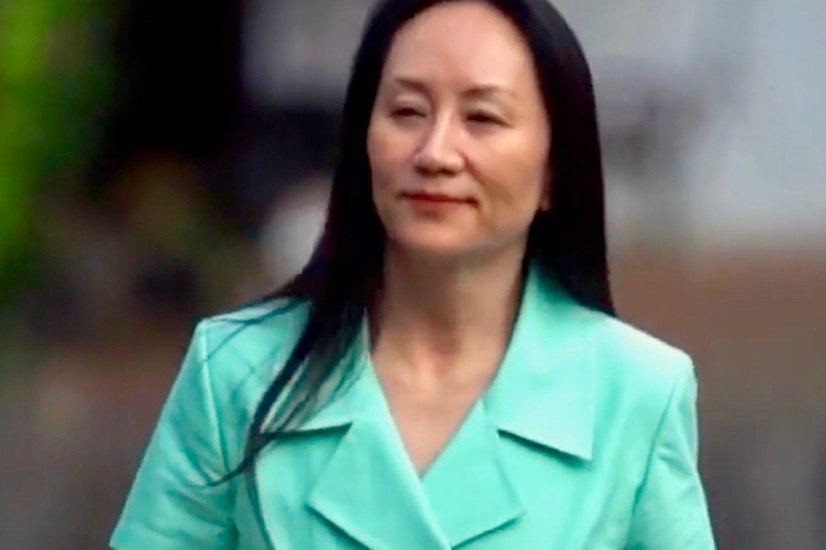
In late August 2019, news emerged that HSBC had supplied documents to United States authorities involved in the prosecution of Meng Wanzhou, the chief financial officer of Huawei. The disclosure, dated August 26 2019, intensified tensions between the bank and the Chinese government and threatened HSBC’s aggressive expansion agenda in mainland China. The US alleges that Meng violated sanctions against Iran by conducting business through a Hong Kong‑based shell company.
She was arrested in Canada in December 2018 on charges of bank and wire fraud. HSBC’s cooperation reportedly included handing over records that indicated the bank had been misled about Huawei’s dealings with Iran.
China’s ambassador to the United Kingdom, Liu Xiaoming, summoned John Flint—then HSBC’s ousted chief executive—to the Chinese embassy to seek an explanation for the bank’s assistance to US prosecutors. According to sources present at the meeting, Flint told Ambassador Liu that HSBC had no alternative but to turn over the information in 2017. The bank’s legal position was constrained by a deferred prosecution agreement with the US Department of Justice, stemming from a $1.9 billion fine paid for facilitating money‑laundering by Mexican drug cartels.
A person familiar with the embassy meeting remarked, “HSBC was forced to comply with US legal demands because of its prior criminal liability.” HSBC feared that refusing to cooperate could invite additional penalties or even criminal charges. Beijing’s response has included consideration of placing HSBC on an upcoming “unreliable entity” list, a retaliatory measure aimed at US restrictions within the broader trade war.
Analysts note that China’s dissatisfaction arrives at a pivotal moment for HSBC, which has designated China as the cornerstone of its strategy to generate billions of dollars in new revenue on the mainland. HSBC operates more branches in China than any other foreign lender and was the first expatriate bank to acquire a majority stake in a mainland securities corporation. These advantages now appear precarious.
A Beijing‑based financial analyst, speaking anonymously, warned, “China is unlikely to forget that HSBC helped the US go after a senior Chinese executive.” The analyst added, “The bank’s special status in China is no longer guaranteed.” Compounding the pressure, HSBC derives roughly half of its profits from Hong Kong, where ongoing protests have disrupted business and weakened investor confidence. The unrest further complicates the bank’s mainland expansion plans, which are already strained by the political fallout from the Meng case.
HSBC must balance Beijing’s calls for stability against the concerns of its Hong Kong‑based employees and customers. Some observers argue that HSBC’s dual exposure to China and the West renders it uniquely vulnerable. Manus Costello, an analyst at Autonomous, observed, “HSBC is caught in the middle of the trade war between the US and China.” He continued, “They are walking an apolitical line where on one hand, trying to please China and on the other hand, trying to follow its legal obligation to the US.”




