
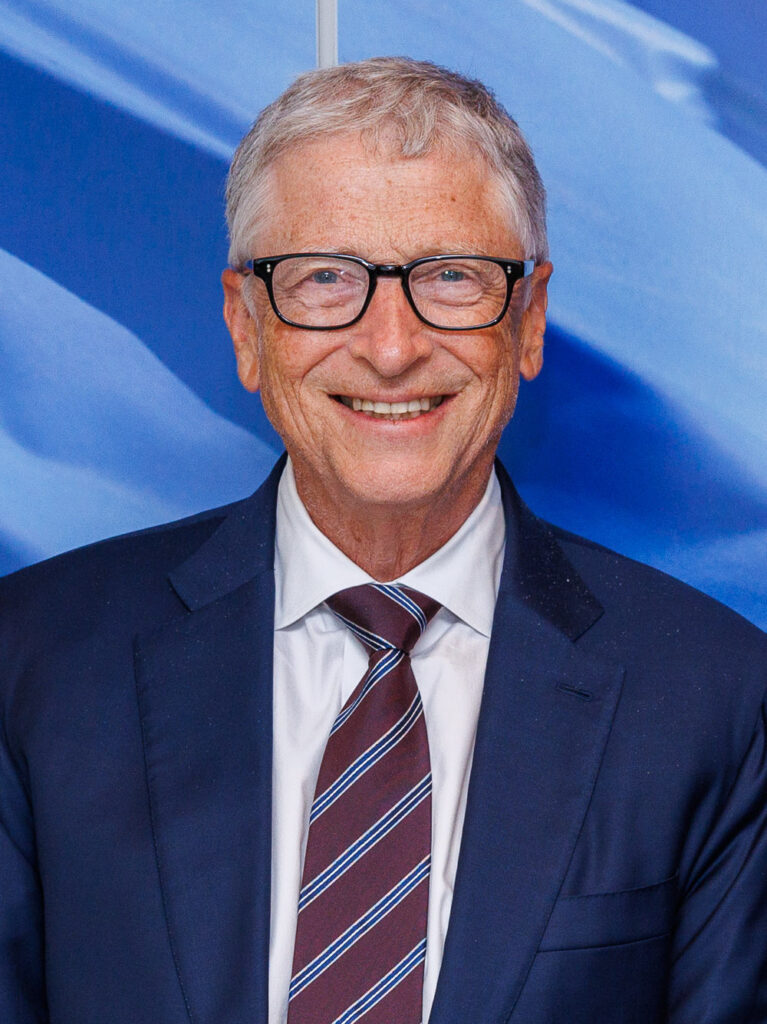
On March 16, 2020, Bill Gates announced his departure from the boards of both Microsoft and Berkshire Hathaway, marking the end of a lengthy period of direct governance for the Microsoft co‑founder and longtime confidant of Warren Buffett. In a LinkedIn post, Gates explained that his decision was driven by a desire to devote his full attention to philanthropic work, particularly initiatives in global health, education and climate change.
While relinquishing his board seats, Gates will retain a role as a technical advisor to Microsoft’s chief executive, Satya Nadella, and other senior leaders. He emphasized that both companies already possess capable leadership teams that can continue to steer them forward without his day‑to‑day oversight. The move, he said, will allow him to concentrate on areas where his personal involvement can generate measurable impact. Microsoft’s leadership responded positively, with Nadella describing the partnership as “an honor and privilege” and confirming that Gates’s technical insight will remain available to guide product and service development.
The company also noted that Gates continues to hold roughly 1.36 percent of Microsoft’s shares, keeping his financial interests aligned with the firm’s long‑term performance. Gates’s tenure at Microsoft began in 1975 alongside Paul Allen.
He served as CEO until 2000, remained on the board until 2014, and has since stayed connected through advisory work. His involvement with Berkshire Hathaway started in 2004, where he contributed to board discussions for more than a decade. Both organizations have expressed confidence in their current management, a sentiment reflected in Gates’s willingness to step aside.
The decision arrives at a moment when many of the world’s wealthiest individuals are shifting focus from corporate profit to addressing complex societal challenges. Gates’s own philanthropic vehicle, the Bill & Melinda Gates Foundation, has already disbursed $35.8 billion, funding vaccine development, clean‑water projects and educational reforms worldwide.
Both Gates and his former spouse continue to serve as co‑chairs of the foundation, which has been recognized as the most generous charitable organization in the United States. By exiting formal board responsibilities, Gates aims to eliminate the time constraints imposed by corporate governance, freeing himself to work directly with field teams tackling climate change and health crises. The transition is intended to be seamless, ensuring that Microsoft and Berkshire Hathaway maintain stability while he expands his hands‑on philanthropic activities.
Analysts view the move as a rare illustration of a founder’s confidence in the robustness of a company’s leadership structure. Gates’s continued shareholding and advisory capacity suggest that his influence will persist, albeit in a less public, more consultative form.
Looking ahead, the tech sector will observe how Microsoft adapts without its co‑founder on the board, while also benefiting from his ongoing technical counsel. Simultaneously, Gates’s intensified focus on global issues may set a precedent for other high‑profile entrepreneurs considering a shift from corporate roles to dedicated social impact work.




