
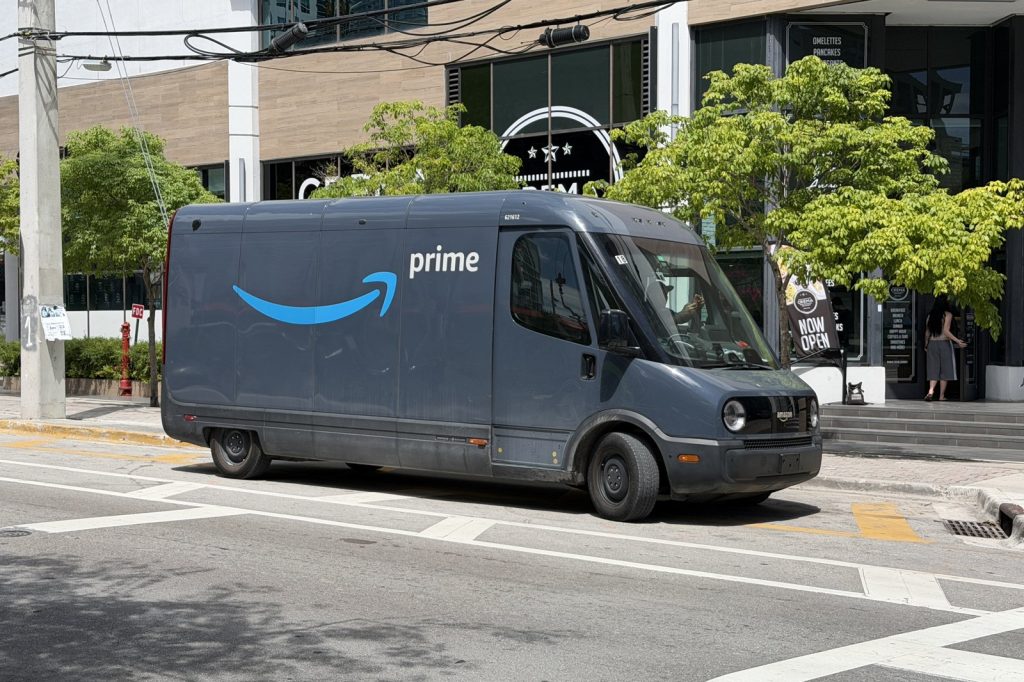
On March 19, 2020, Amazon reported a sharp rise in orders as the coronavirus outbreak pushed consumers to seek groceries, toiletries, pet supplies and other necessities online, especially in regions under lockdown. To cope with the heightened demand, the retailer announced a temporary halt to the delivery of non‑essential merchandise, a measure set to stay in effect until April 5. The company said the pause would allow faster receipt, restocking and dispatch of high‑priority items such as medical supplies and household staples.
In a communication to its seller community, Amazon outlined that only six product categories would continue to be processed for shipment: baby products, health and household items, beauty and personal care, grocery items, industrial and scientific supplies, and pet supplies. By narrowing the scope of shipments, Amazon aims to streamline logistics and ensure that the most critical goods reach customers without delay.
The surge in demand created notable supply‑chain pressures, with many items running out of stock, particularly across the United States. Steven Yates, chief executive of Prime Guidance—a consultancy that assists Amazon sellers—observed that the company’s capacity was being stretched thin by essential‑goods orders. He noted that the temporary suspension of non‑essential deliveries would free up resources to better meet the surge in demand for vital products.
Amazon also intensified its crackdown on price gouging during the crisis. The platform targeted sellers who were hoarding and inflating prices on face masks, hand sanitizer, disinfecting wipes and other coronavirus‑related items. Analyst Rob Enderle of the Enderle Group remarked that Amazon’s visible enforcement actions sent a clear warning to would‑be gougers, helping to protect consumers from exploitation.
These steps—prioritizing essential shipments and curbing inflated pricing—have been credited with preserving customer trust during a period of uncertainty. By concentrating on household staples, medical supplies and other high‑need categories, Amazon has sought to keep essential products accessible while limiting exposure risk for shoppers who prefer online purchasing.
The pandemic has underscored the growing reliance on e‑commerce platforms for everyday needs. Analysts suggest that Amazon’s response positions it as a leading player in the sector, demonstrating an ability to adapt operations quickly in the face of unprecedented demand spikes. As the health emergency evolves, the company and other online retailers are expected to continue refining their strategies to meet shifting consumer expectations.
Overall, Amazon’s temporary suspension of non‑essential deliveries, focused fulfillment of six key categories, and aggressive anti‑gouging measures illustrate how the retailer is navigating the challenges posed by the coronavirus pandemic. The approach reflects a broader trend toward digital shopping as shoppers seek safe, reliable ways to obtain necessities while minimizing physical contact.




