
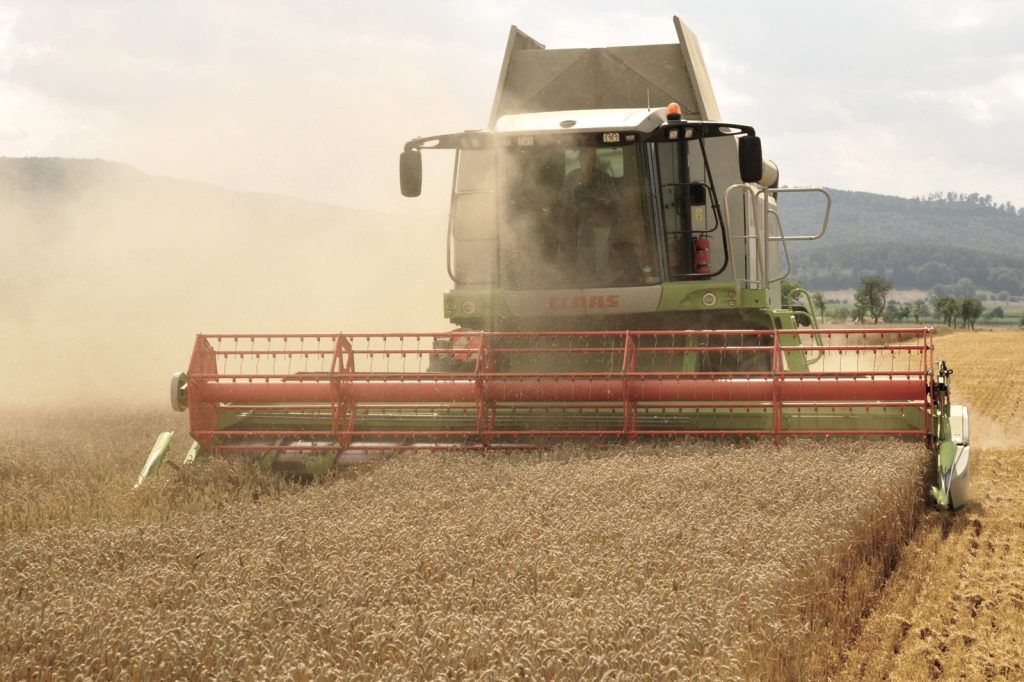
The United Nations Food and Agriculture Organization announced Thursday that its benchmark index for global food prices climbed to its highest point since September 2011 during May, marking a full year of consecutive monthly increases. The FAO Food Price Index, which tracks a basket of key staples including vegetable oils, sugar, grains, and meats, rose 4.8 percent from April levels, driven by supply chain bottlenecks and surging demand in major producing regions.
Cereal prices posted the steepest monthly gain, rising 6.0 percent compared to April and 36.6 percent year-on-year. Wheat led this category, with average prices climbing 8.0 points above April figures and 27.7 points higher than May 2020 levels. Barley and sorghum also increased, by 5.4 percent and 3.6 percent respectively.
The organization released its initial forecast for 2021 cereal production at approximately 2.821 million tonnes globally. The vegetable oil price index jumped 7.8 percent in May, continuing a months-long upward trend.
Palm oil reached its highest point since February 2011, with analysts pointing to slow productivity growth in Southeast Asia combined with rising global demand. Soybeans and rapeseed also contributed to the surge. Sugar prices climbed 6.8 percent month-on-month, driven by crop failures and delayed harvests, alongside growing concerns about declining yields in Brazil, the world’s largest sugar exporter.
The meat price index rose due to accelerated imports from East Asian nations working to secure supply chains, while dairy prices increased 1.5 percent monthly and 28 percent annually, fueled by demand for skimmed and whole milk powders. The overall index reached 127.1 points in May, just 7.6 percent below its all-time high.
The FAO noted that inflationary pressures on essential food items are intensifying as the global economy recovers from pandemic-related disruptions that have cost millions of jobs and raised food security concerns. Looking ahead, the FAO projected record global food production for 2021, with maize output expected to grow 3.7 percent, wheat production rising 1.4 percent, and rice increasing 1.0 percent. However, consumption for the 2021/22 period is forecast to reach 2.826 billion tons, a 1.7 percent increase that slightly exceeds projected production levels.
The organization emphasized that population growth will continue to strain agricultural output and pricing mechanisms, highlighting the fragility of global food supply chains amid simultaneous shocks from health crises, environmental factors, and market volatility.




