
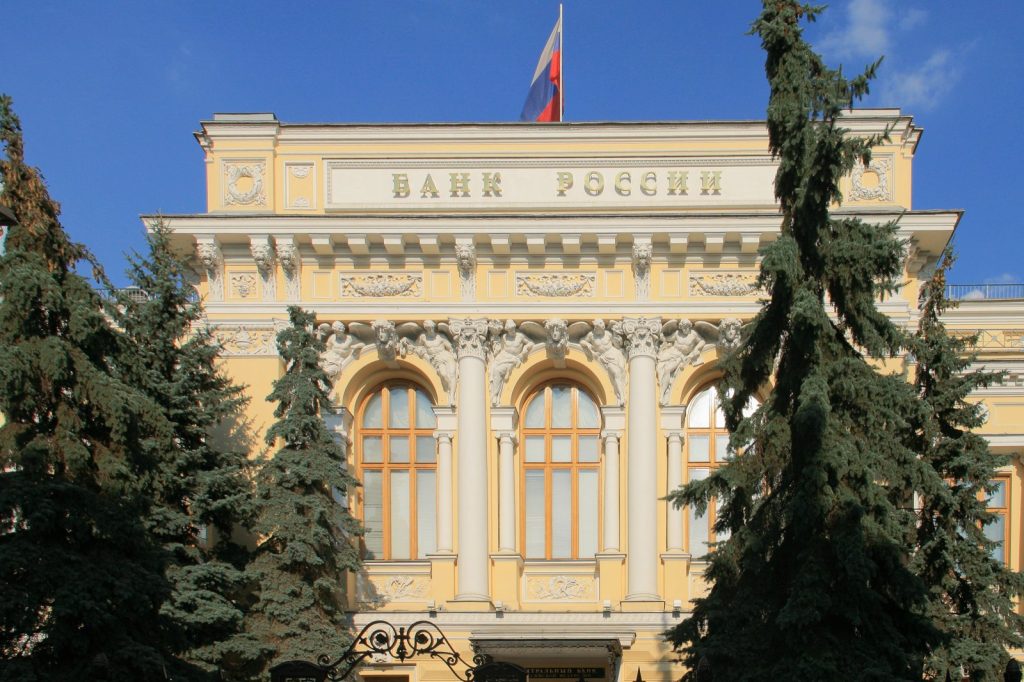
Nearly a month after the Moscow Exchange halted activity following the plunge of the MOEX Index, Russian authorities announced that trading will restart on March 24, but only for a restricted set of securities. The central bank said that 33 of the 50 constituents of the benchmark MOEX Index – including Aeroflot, Gazprom and Rosneft – will be eligible for the limited session.
The suspension, which began after President Vladimir Putin ordered the invasion of Ukraine, was intended to curb a potential repeat of the February 24 sell‑off that saw the index tumble 33 %. To further limit downward pressure, short‑selling has been prohibited and foreign shareholders will be barred from disposing of their holdings. Russia’s financial system continues to feel the strain of Western sanctions, which have hammered both the ruble and the broader market.
The last time Russian stocks traded in Moscow was on February 25, and the upcoming session is expected to provide only a narrow window into investor sentiment. Retail participation in the market is modest.
The central bank estimated that, as of late 2021, retail investors owned roughly 7.7 trillion rubles (about $79 billion) of Russian equities. While this figure reflects domestic interest, it remains a small slice of the overall market. In the global context, the reopening carries limited economic weight. The Moscow Exchange’s market capitalisation stood at about $773 billion at the end of last year, a fraction of the roughly $28 trillion total listed on the New York Stock Exchange.
Consequently, exposure for a typical U.S. investor is negligible; a balanced 60/40 portfolio matched to a global index would allocate only about 0.02 % to Russian assets, according to market analyst Johnson. Sanctions have also driven a mass exodus of foreign capital.
A host of U.S., European and Japanese firms have withdrawn from Russia, and MSCI removed the country from its emerging‑markets indexes, labeling the market “uninvestable” after consulting with asset managers. This removal eliminated a key incentive for institutional funds to maintain exposure. Further curtailments have been seen abroad.
On March 3, the London Stock Exchange suspended trading in 27 Russian‑linked companies, including major energy and finance players. Prior to the suspension, shares of Rosneft fell from $7.91 on February 16 to 60 cents on March 2, while Sberbank’s price dropped from $14.90 to 5 cents in the same period.
Domestically, the Kremlin has signalled willingness to bolster the market. Prime Minister Mikhail Mishustin indicated that the National Wealth Fund could purchase up to 1 trillion rubles (about $10.2 billion) of Russian shares by year‑end, offering a potential source of liquidity. Despite the symbolic nature of the March 24 reopening, the broader financial picture remains bleak.
The ruble stays weak, foreign investors are largely absent, and the war in Ukraine shows no signs of abating. For most investors outside Russia, the impact will be marginal, but the domestic market faces deep and lasting damage.




