
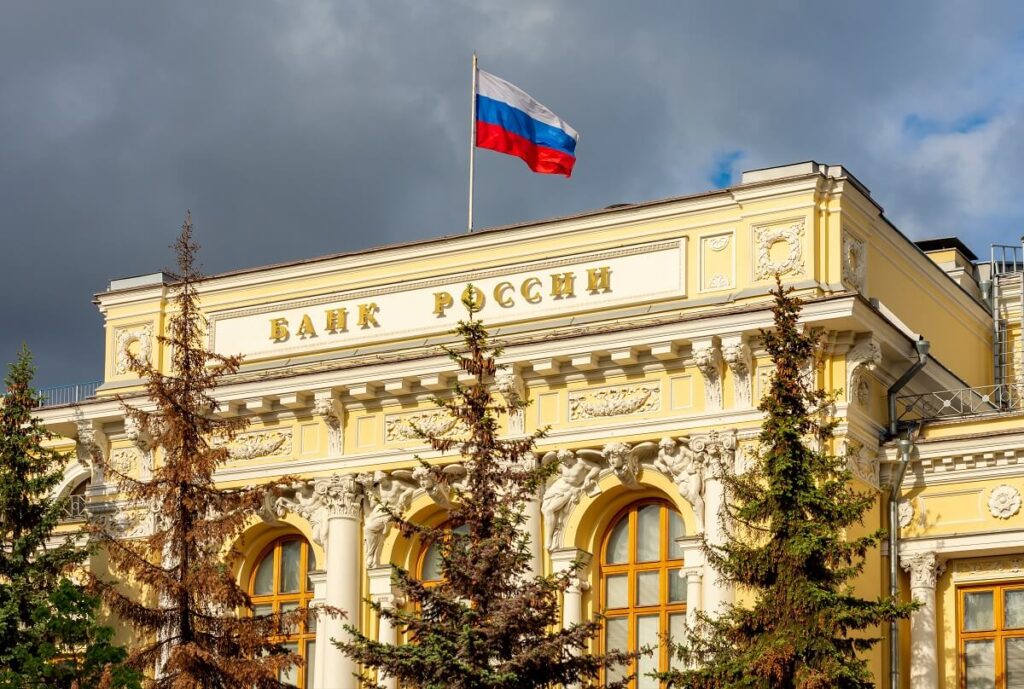
On April 11, 2022, Standard & Poor’s lowered its rating of Russia’s capacity to meet foreign‑debt obligations, warning that Moscow could soon default on external loans for the first time in more than a century. The agency cited the tightening of sanctions linked to Russia’s invasion of Ukraine, which have severely constrained the Russian economy, and Moscow’s decision to service foreign‑bond dues in rubles rather than dollars. S&P Global Ratings announced the “selective default” rating late on Friday, after Russia arranged to make a scheduled foreign‑bond payment in rubles on the preceding Monday when the obligation was denominated in dollars.
The agency explained that its judgment rested partly on the expectation that sanctions on Russia over its actions in Ukraine “are likely to be further increased in the coming weeks, hampering Russia’s willingness and technical abilities to honor the terms and conditions of its obligations to foreign debtholders.” Consequently, S&P said it did not anticipate Russia being able to convert the ruble payments into dollars within the 30‑day grace period permitted. A spokesperson for S&P clarified that a selective default rating applies when a borrower misses a particular payment while continuing to meet others on schedule.
Although Russia has indicated it remains willing to satisfy its debts, the Kremlin has warned it would do so in rubles if its overseas foreign‑currency accounts stay frozen. The latest round of sanctions followed allegations of war crimes, notably the killing of civilians in Bucha during Russian military occupation. These measures bar Russia from drawing on any foreign reserves held in U.S. banks to service its debt.
Russia’s finance ministry said on Wednesday that it attempted to send a $649 million payment toward two bonds to an unnamed U.S. bank (previously identified as JPMorgan Chase), but the sanctions blocked the transaction, prompting Moscow to settle the amount in rubles. President Trump asserted that the sanctions are having a substantial effect on Russia’s economy and said the United States will continue to cooperate with allies to impose additional penalties.
The U.S. Department of the Treasury stated that “the sanctions are designed to hold Russia accountable for its actions and to disrupt its ability to fund its military aggression.” Russia has not defaulted on foreign debt since the Bolshevik Revolution of 1917, when the Soviet Union was formed. Even after the Soviet collapse in the late 1990s, Moscow kept up foreign‑debt payments with international assistance, although it did default on domestic obligations.
The International Monetary Fund observed that “Russia’s ability to service its debt has been severely impaired by the sanctions, and a default on foreign debt is now a distinct possibility.”




