
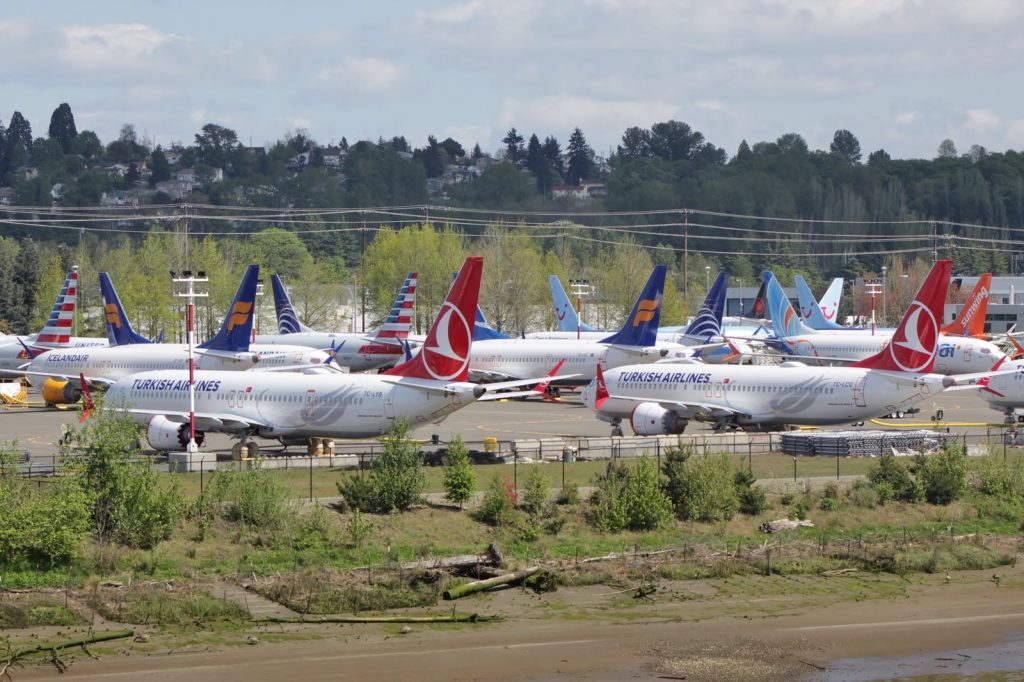
July 7, 2024 — infopulsetoday.com — Three hundred eighty-seven aircraft. That is how many Boeing 737 MAX jets were sitting idle on runways and in hangars by March 18, 2019. Every single one delivered to an airline was grounded.
The order came from regulators worldwide, and eventually from the U.S. Federal Aviation Administration. The FAA had held out for five days after other nations acted.
It took a second crash to force the decision. The first crash happened on October 29, 2018. Lion Air Flight 610 went down.
Then, on March 10, 2019, Ethiopian Airlines Flight 302 crashed. Total dead: 346 people.
The two accidents happened less than five months apart. Both involved the same new model of aircraft. Both occurred shortly after takeoff.
The pattern was hard to miss. Yet the FAA initially said the MAX was safe to fly. The agency stated there was insufficient evidence of similarities between the two accidents.
That position held for three days after the Ethiopian crash. It collapsed as country after country grounded the plane.
The FAA finally relented on March 13, 2019. At the center of both disasters was a piece of software called the Maneuvering Characteristics Augmentation System. MCAS.
It was new to the 737 MAX. The system was designed to automatically push the nose of the plane down under certain flight conditions.
Boeing had asked the FAA in 2016 to remove any mention of MCAS from the flight manual. The FAA approved that request. Pilots were not told the system existed.
They were not trained on how it worked or how it could fail. After the Lion Air crash in November 2018, Boeing issued instructions to pilots. The company told them what corrective action to take if the system malfunctioned.
But Boeing still did not reveal the existence of MCAS. Pilots had to ask for more explanation before the company acknowledged what the system was and what it did.
The FAA’s internal handling of the issue has drawn criticism. In December 2018, the agency communicated privately with Boeing about MCAS. No public action was taken at that time.
The meetings stayed behind closed doors. The second crash happened three months later.
The first grounding stretched from March 2019 to December 2020. That is nearly two years. Boeing spent that time redesigning the MCAS software.
The FAA conducted a lengthy recertification process. The MAX was allowed to fly again only after those changes were made and approved. Then came January 2024.
A new incident. A Boeing 737 MAX experienced a dangerous in-flight failure.
The aircraft was grounded again. This second grounding was brief, but it reopened questions about the plane’s safety record and the oversight that allowed it back in the air. The MAX has now been grounded twice.
The first grounding was global and lasted nearly two years. The second was shorter but no less alarming for passengers and airlines.
The same model that killed 346 people had another serious problem. The FAA had certified the plane as safe to fly again. That certification now faces renewed scrutiny.
{“@context”: “https://schema.org”, “@type”: “NewsArticle”, “headline”: “Boeing 737 MAX Grounding Followed Second Fatal Crash in Five Months”, “description”: “Three hundred eighty-seven aircraft. That is how many Boeing 737 MAX jets were sitting idle on runways and in hangars by March 18, 2019. Every single one delive”, “datePublished”: “2024-07-07T15:00:00+00:00”, “author”: {“@type”: “Person”, “name”: “InfoPulse Today”}, “publisher”: {“@type”: “Organization”, “name”: “InfoPulse Today”}}




