
Early 2023 saw the Adani Group’s listed entities plunge, erasing tens of billions of dollars in market capitalisation. More than a year later, the lost value has not been reclaimed, and the conglomerate continues to operate under heightened scrutiny despite a Supreme Court ruling earlier this year that failed to provide full closure.
Founder Gautam Adani, now 62, began his career in 1978 as a teenage diamond sorter in Mumbai before joining Mahendra Brothers. In 1981 he returned to Ahmedabad to oversee his elder brother’s small plastic operation, which soon expanded into PVC imports and laid the groundwork for the Adani Group’s formal incorporation in 1988. By 2022, Time magazine listed him among the world’s 100 most influential people, a testament to the empire he built across ports, power generation and commodities.
The turning point arrived in January 2023 when short‑seller Hindenburg Research released a report accusing the group of stock manipulation and fraudulent practices designed to artificially boost share prices. The allegations triggered an immediate market reaction: Adani‑listed companies shed tens of billions of dollars in value within days.
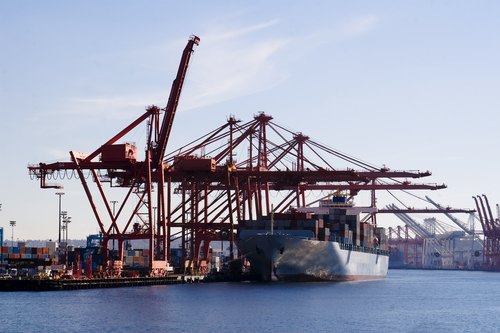
Beyond the impact on share prices, the controversy touches core sectors of India’s economy. The group controls a substantial portion of the nation’s cargo‑handling capacity, operates power plants that light up millions of homes, and runs coal mines that feed industrial activity. A sustained erosion of investor confidence could therefore ripple through the country’s logistics and energy infrastructure.
Legal and regulatory questions remain unsettled as of 21 November 2024. While the Supreme Court’s decision earlier this year clarified certain aspects of the case, it did not resolve the underlying accusations made by Hindenburg, which have yet to be adjudicated or definitively disproved. Consequently, every prospective bond issue, government contract and corporate partnership involving the Adani Group continues to be evaluated against the backdrop of the unresolved short‑seller report.
For India’s securities regulator, the Securities and Exchange Board of India, the episode serves as a litmus test of oversight effectiveness. Foreign investors, who had poured capital into Adani firms during a period of rapid expansion, are now watching closely to see whether the conglomerate can restore the trust that was shattered in early 2023.
Adani’s personal narrative—rising from a diamond‑sorting job to billionaire industrialist—has become intertwined with a contrasting story of allegations, a market crash and lingering legal uncertainty. The group has consistently denied the short‑seller’s claims, yet the market capital loss incurred during the initial days of the crisis remains largely unrecovered.
The fallout extends beyond the Adani family. Employees at ports, power stations and trading subsidiaries face job security concerns, while suppliers and contractors worry about the continuity of future orders. Financial institutions that extended credit to the group are reassessing exposure, underscoring how a single investigative report can generate long‑lasting economic reverberations.
Time’s 2022 accolade placed the Adani Group at the pinnacle of global influence; the subsequent year brought a stark reversal as the same influence was challenged by a financial scandal. The interval between those two points—marked by a dramatic loss of market value and ongoing judicial scrutiny—captures the essence of the current saga. The Supreme Court’s ruling, while offering some clarification, has not bridged the divide, leaving the controversy very much alive.




