
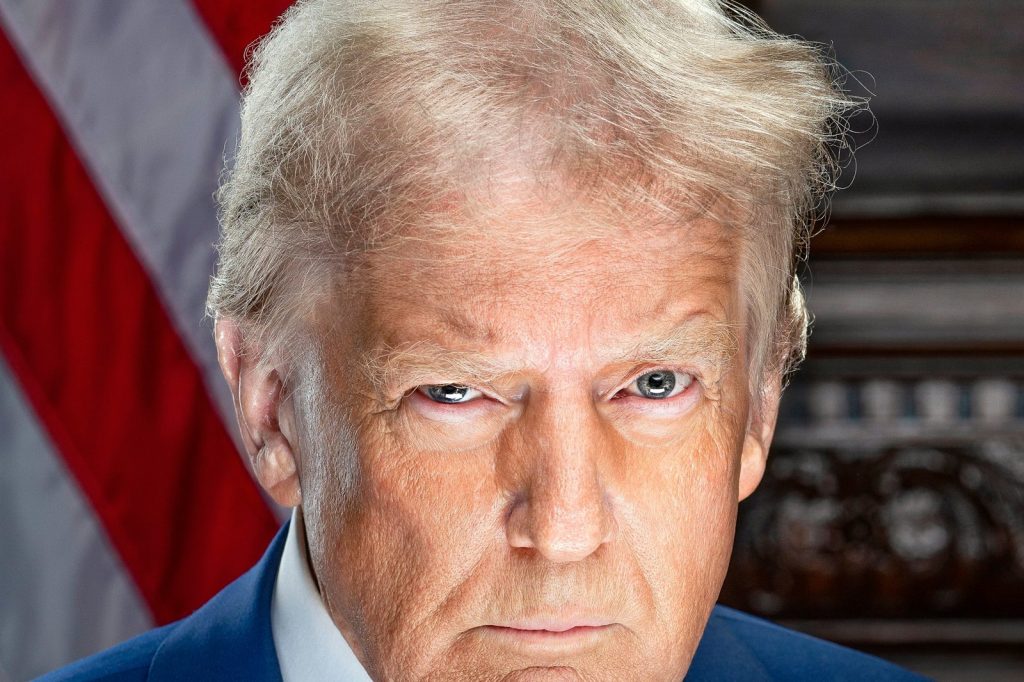
WASHINGTON, July 8 — President Donald Trump’s declaration on March 31 that the ceasefire with Iran is “over” sent a jolt through global energy markets, with oil prices surging nearly 6% in a single trading day. The move signals a dramatic recalibration of Washington’s posture toward Tehran, ending a period of relative calm that had held since early 2025. The price of Brent crude jumped from $72 per barrel to $76.30 per barrel on the day of the announcement.
West Texas Intermediate crude followed suit, rising 5.8% to $72.50 per barrel. For markets watching the broader stakes, the numbers tell a clear story: the calculus of risk in the Persian Gulf has shifted overnight.
The Strategic Chessboard
Iran is no minor player in global oil markets. As a major producer within OPEC, Tehran’s production capacity stood at roughly 3.8 million barrels per day as of 2024. The Strait of Hormuz, through which approximately 20% of global oil passes, is the critical chokepoint that gives this standoff its strategic weight.
Any disruption there reverberates through supply chains that feed the world’s largest oil consumer — the United States, which used about 20 million barrels per day in 2024. What this signals to analysts is a return to the kind of brinkmanship that characterized U.S.-Iran relations in 2019 and 2020.
During that earlier period, oil price spikes of up to 15% were recorded as tensions flared. The current situation, while still unfolding, carries similar risk factors. The announcement came during a press conference at the White House.
There was no immediate response from Iranian officials, leaving the diplomatic channel in a state of suspended animation.
Reserves as a Buffer
The United States maintains a strategic petroleum reserve that stood at 375 million barrels as of February 2025, according to the U.S. Energy Information Administration. That figure represents a significant buffer, though it is well below the reserve’s historical peak. The reserve provides Washington with options — the ability to release crude onto the market to moderate price spikes if the situation escalates further.
But the broader stakes extend beyond any single policy tool. The calculus for the Trump administration appears to be that the ceasefire, which had been in place since early 2025 following heightened tensions in the Middle East, was no longer serving American interests.
The president’s blunt statement that the ceasefire is “over” leaves little room for ambiguity.
What to Watch Next
For markets, the immediate question is whether this is a one-day shock or the beginning of a sustained period of elevated prices. The 2019-2020 precedent suggests that when Washington and Tehran are at odds, the oil market tends to price in a persistent risk premium. The Strait of Hormuz remains the single most important chokepoint in the global oil trade, and any disruption there would have consequences far beyond the region.
The absence of an official Iranian response adds another layer of uncertainty. Tehran’s next move — whether diplomatic, economic, or military — will shape the trajectory of prices in the weeks ahead.
For now, the strategic picture is clear: the ceasefire is over, and the energy markets are adjusting accordingly.
{“@context”: “https://schema.org”, “@type”: “NewsArticle”, “headline”: “Oil Prices Surge 6% After Trump Declares Iran Ceasefire Over”, “description”: “WASHINGTON, July 8 — President Donald Trump’s declaration on March 31 that the ceasefire with Iran is “over” sent a jolt through global energy markets,…”, “datePublished”: “2026-07-08T09:30:00+00:00”, “author”: {“@type”: “Person”, “name”: “Noah King”}, “publisher”: {“@type”: “Organization”, “name”: “InfoPulse Today”, “url”: “https://newsfeed.infopulsetoday.com/”}}




