
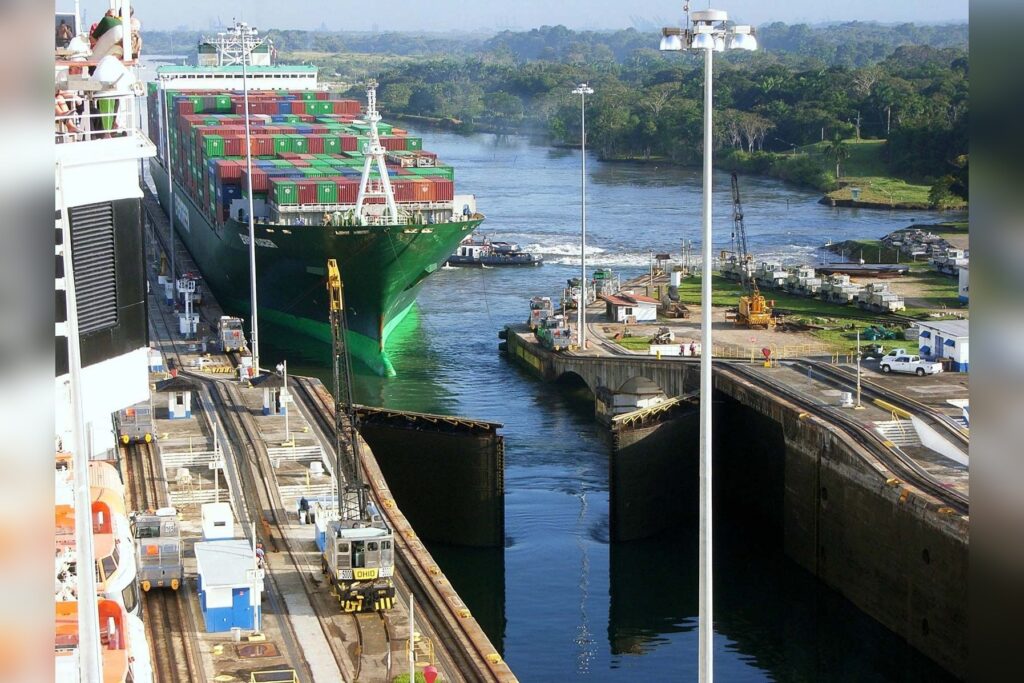
PANAMA CITY, July 10 — On the banks of the Miraflores Locks, the scene is both familiar and strained. The massive steel gates of the Panama Canal still groan open each day for the world’s cargo ships, lifting them 85 feet above sea level into Gatun Lake. But by nightfall, the rhythm has changed.
Fewer vessels are making the passage. The water that once moved them freely is now a tightly rationed commodity.
The Panama Canal Authority has imposed draft restrictions and reduced daily transits. The reason is drought — a prolonged dry spell that has gripped the region, shrinking the freshwater reservoirs that feed the canal’s lock system. The canal, a 51-mile artificial waterway cutting across the Isthmus of Panama, relies on Gatun Lake and rainfall to operate its three sets of locks: Gatun Locks, Pedro Miguel Locks, and Miraflores Locks.
Without enough water, the canal cannot function at full capacity. On the ground, the effects are immediate.
Ships that once passed through without delay now wait days for a transit slot. Global supply chains, which depend on the canal for moving roughly 5% of global maritime trade, are feeling the pressure. In fiscal year 2023, the canal handled over 14,000 transits and carried approximately 511 million tons of cargo.
The canal generates over $2.5 billion annually in tolls for Panama — a major revenue source now under threat. The canal’s history is long and costly. First conceived in the early 16th century, it was completed by the United States in 1914 after a 10-year construction effort that cost over 25,000 lives, primarily from disease and accidents.
It officially opened on August 15, 1914, with the transit of the SS Ancon. The United States controlled the canal and the surrounding Canal Zone until December 31, 1999, when full control was transferred to Panama under the Torrijos–Carter Treaties, signed on September 7, 1977.
The expansion project, known as the Panama Canal Expansion or Third Set of Locks, was completed in 2016. It added a new lane of traffic, allowing Neopanamax ships — vessels up to 1,200 feet long and 160 feet wide — to transit. But even this modern capacity is now constrained by a lack of water.
Residents describe the drought as the worst in memory. The canal’s operation is entirely dependent on rainfall to maintain the level of Gatun Lake, which supplies the water needed for each lock cycle.
Every time a ship passes through, millions of gallons of freshwater are lost to the ocean. In a dry year, that calculus becomes unsustainable. The Panama Canal Authority has not released new projections for the coming months.
But the trend is clear: without significant rainfall, the canal will continue to operate below capacity. For a nation that relies on the waterway for its economic lifeblood, and for a global shipping industry that depends on this shortcut between the Atlantic and Pacific, the stakes could not be higher.
{“@context”: “https://schema.org”, “@type”: “NewsArticle”, “headline”: “Panama Canal Drought Reduces Daily Ship Transits, Strains Global Trade”, “description”: “PANAMA CITY, July 10 — On the banks of the Miraflores Locks, the scene is both familiar and strained. The massive steel gates of the…”, “datePublished”: “2026-07-10T09:30:00+00:00”, “author”: {“@type”: “Person”, “name”: “Isabella Moore”}, “publisher”: {“@type”: “Organization”, “name”: “InfoPulse Today”, “url”: “https://newsfeed.2bme.xyz/”}}




