
Nearly two decades after a flock of birds knocked out both engines of US Airways Flight 1549, forcing Captain Chesley Sullenberger and his crew to ditch the Airbus A320 in the Hudson River, the aviation industry has quietly rewritten its approach to airborne wildlife hazards. Early federal data indicate that the changes are taking hold, with a marked decline in the rate of damaging strikes even as total reported incidents soar.
Radar takes flight
In the years since the January 15, 2009, event that saved all 155 people aboard, the Federal Aviation Administration and the broader aviation industry have pushed for concrete safety improvements. The FAA increased funding for wildlife hazard management at airports, a key part of which has been the deployment of radar systems designed to detect bird activity.
By 2026, more than 200 U.S. airports have adopted avian radar technology. That represents a sharp increase from fewer than 20 airports in 2009, a sign that the industry has moved from a reactive posture to one of proactive surveillance. The National Transportation Safety Board also weighed in, recommending improved engine certification standards to withstand bird strikes.
Those recommendations led to new tests for engine fan blade containment, requiring manufacturers to demonstrate that a blade failure from a bird impact will not cause catastrophic engine disintegration. The consequence of these standards is that modern engines on many commercial aircraft are built to a higher tolerance, giving pilots a better chance at retaining thrust after a strike.
Better reporting, fewer damaging strikes
The absolute number of reported bird strikes in the United States has climbed from approximately 7,000 in 2009 to over 17,000 in 2025. That six-fold increase might seem alarming, but experts point out that it reflects better reporting, not necessarily more dangerous encounters.
Airlines, airport operators, and pilots have become more diligent in documenting incidents, in part because of heightened awareness after the Hudson River ditching. The encouraging part, according to analysts who study the data, is that the rate of damaging strikes has actually decreased by 15% since 2010. In other words, while more birds are being hit, each strike is less likely to cause structural damage to an aircraft.
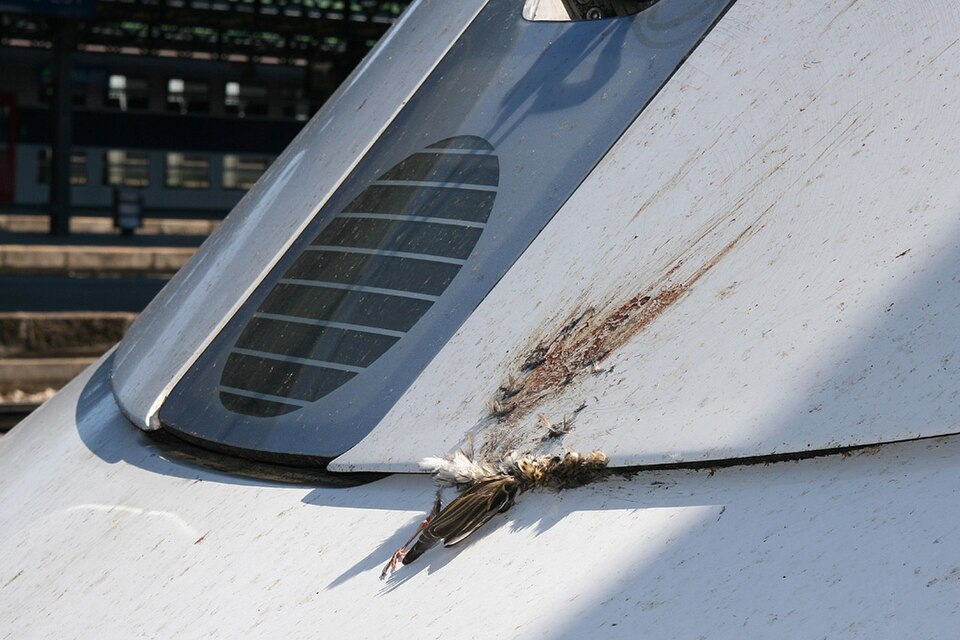
A bird strike is a collision between a flying animal and a moving vehicle, most often an aircraft. The term also covers bird deaths from hits with tall structures such as buildings and power lines.
Such collisions have long been recognized as a hazard to flight. Some past accidents have caused injuries and loss of life. The Hudson River ditching demonstrated that a river landing can save lives when no runway is reachable, but it also underscored the split-second decisions crews must make when engines fail from a strike.
Crew training evolves
Beyond hardware changes, crew resource management training was enhanced in the wake of the Hudson River landing. The focus shifted to decision-making under stress, with the Flight 1549 crew’s calm coordination serving as a model.
The five people in the cockpit and cabin that day were able to work together, communicate clearly, and execute emergency procedures under extreme time pressure. That event remains a case study in effective CRM and emergency procedures, used in training programs across the industry. The Hudson River itself is a tidal estuary in New York that has served as a setting for aviation emergencies beyond the 2009 ditching.
Its broad, comparatively calm waters have made it a rare option for water landings near the city. Earlier flights in the region had encountered forced water contacts in the same general area, but none had captured public attention like the Miracle on the Hudson.
Bird strikes remain a continuing concern because they can disable engines and force split-second crew choices. For passengers and residents near busy airports, the changes in wildlife management and crew training over the past 17 years mean that the system is better prepared, even if the threat never fully disappears.




