
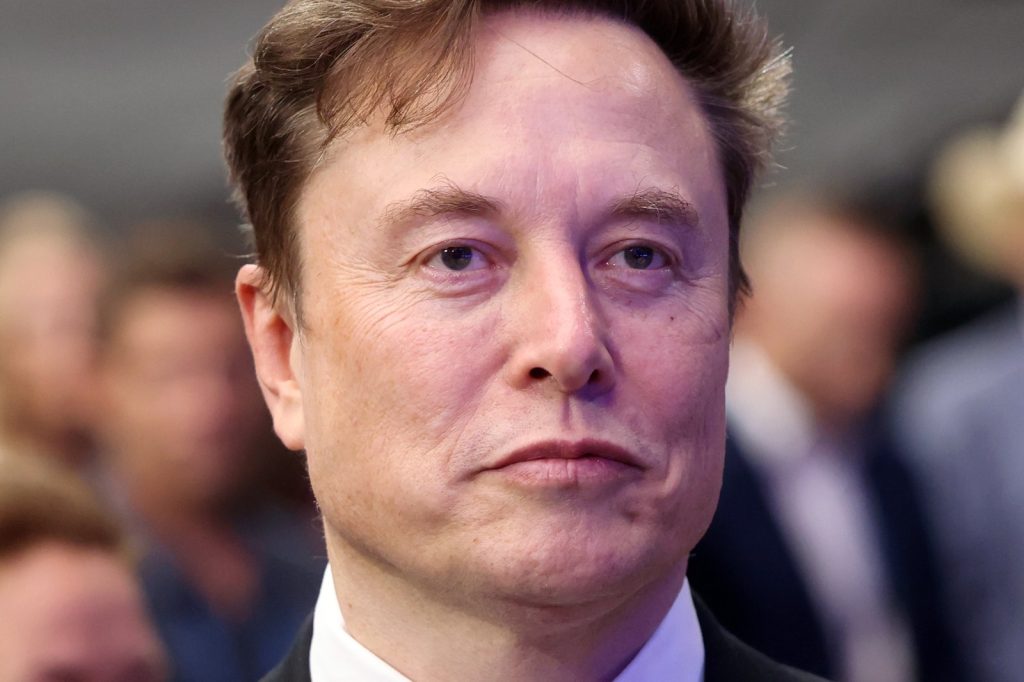
LOS ANGELES, July 16 — Two of the world’s most valuable companies are locked in a deepening rivalry that reaches far beyond Earth. SpaceX and Amazon are racing to build competing satellite internet constellations, a contest that will determine who connects the next billion people online. SpaceX, founded by Elon Musk in 2002, launched its Starlink network in 2019.
Amazon, founded by Jeff Bezos in 1994, announced its own Project Kuiper the same year. Together, the two companies represent a combined market capitalization of approximately $4.5 trillion as of 2023.
The scale of the competition is enormous. Starlink has already deployed over 4,500 satellites as of early 2023 and serves more than 1 million subscribers globally. Project Kuiper, which received FCC approval in 2020, plans to deploy over 3,200 satellites.
Both systems aim to beam high-speed internet from low Earth orbit to users on the ground.
Orbits and spectrum at stake
At the heart of the conflict are finite resources: orbital slots and radio spectrum rights. International coordination bodies and regulators must approve where each company’s satellites operate and what frequencies they use. With thousands of satellites already in orbit and thousands more planned, the two companies are competing directly for these limited positions.
Space traffic management is emerging as a flashpoint. As more satellites fill the skies, the risk of collisions and the need for coordinated maneuvering grow.
Both SpaceX and Amazon have interests in how those rules are written, and both are pushing for regulatory approvals that favor their respective timelines and technical approaches. Customer contracts are another battleground. Governments, telecommunications providers, and rural communities across the globe are potential customers for satellite internet services.
The company that reaches scale first — and offers reliable, affordable connectivity — stands to capture a significant share of this emerging market.
A clash of tech titans
This rivalry is a major development in the space industry and global internet connectivity. Both Musk and Bezos have long histories of competition, from space launch contracts to electric vehicles and beyond. Now their satellite projects represent perhaps the most consequential face-off yet, with implications for how people in remote and underserved areas get online.
For communities across Asia, where vast archipelagos, mountainous terrain, and limited terrestrial infrastructure make traditional broadband expensive or impossible, satellite internet offers a potential leap forward. The outcome of the SpaceX-Amazon contest will shape what services are available, at what price, and how quickly they arrive.
Regulatory approvals remain a key variable. Both companies continue to engage with the Federal Communications Commission and international bodies as they seek permission for expanded operations. The coming months will see further filings, potential disputes, and decisions that could tilt the competitive balance.
What to watch next: the pace of Project Kuiper’s satellite launches, Starlink’s subscriber growth trajectory, and any regulatory rulings that allocate orbital slots or spectrum between the two systems. The race to connect the world from space is only accelerating.
Sources
{“@context”: “https://schema.org”, “@type”: “NewsArticle”, “headline”: “SpaceX, Amazon, worth $4.5 trillion, clash over satellite internet”, “description”: “LOS ANGELES, July 16 — Two of the world’s most valuable companies are locked in a deepening rivalry that reaches far beyond Earth. SpaceX and…”, “datePublished”: “2026-07-16T09:30:00+00:00”, “author”: {“@type”: “Person”, “name”: “Merry Gel Sigui”}, “publisher”: {“@type”: “Organization”, “name”: “InfoPulse Today”, “url”: “https://newsfeed.infopulsetoday.com/”}, “citation”: [{“@type”: “CreativeWork”, “url”: “https://en.wikipedia.org/wiki/SpaceX”}]}




