
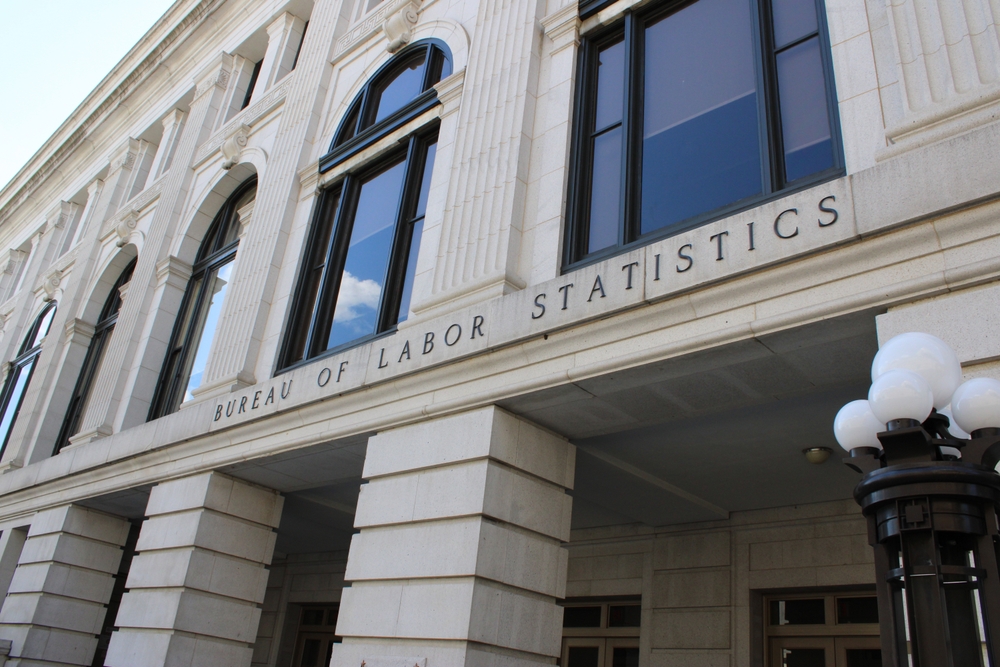
American shoppers saw grocery prices climb again in June, with the Bureau of Labor Statistics reporting a 4.7 percent year-over-year increase in the Consumer Price Index for food-at-home. The latest reading marks a continuation of elevated cost pressures, though the pace has moderated from 5.8 percent in May and 7.1 percent in April, according to the federal agency.
The index tracks the average change in prices urban consumers pay for food bought at grocery stores, a key measure of household expense burdens that extends beyond U.S. borders to families in Asia and other regions reliant on imported and domestically sourced groceries.
Inflation Across the Grocery Basket
Specific categories within the grocery basket experienced sharper inflation. Cereals and bakery products rose 8.9 percent year-over-year in June. Dairy products increased 6.2 percent, while meats, poultry, fish, and eggs climbed 3.8 percent over the same period.
These figures, collected and published by the Bureau of Labor Statistics — a unit of the U.S. Department of Labor established in 1884 — offer a granular view of which items are straining household budgets most. The bureau provides the federal government and the public with data on labor economics and price indices, statistics that help determine the income levels families need for a satisfactory quality of life.
The sustained inflation has eroded real household purchasing power. Even as consumers spend more at the checkout counter, they are bringing home less food than they did a year ago. This dynamic has contributed to a decline in unit sales volumes, as households adjust their buying habits — switching to cheaper cuts of meat, purchasing fewer dairy products, or cutting back on bakery items altogether. For many families, the question is how long they can absorb these increases before making more dramatic changes to their weekly grocery lists.
Global Significance of U.S. Price Data
The data carries weight well beyond American shores. The United States is a federal republic of 50 states and a federal capital district, with one of the largest land areas and populations globally. The nation formed after the American Revolution, when British colonies declared independence in 1776 following disputes over taxation and rights.
After winning the Revolutionary War, the country expanded westward through purchase and conquest. A later internal conflict over slavery led to the American Civil War, which ended with the abolition of slavery and the reunification of the states.
The U.S. became a great power by the turn of the 20th century, joined the Allies in World War II after the attack on Pearl Harbor, and emerged as a superpower during the Cold War. Following the collapse of the Soviet Union, the country remained a dominant global influence. Because of this global position, economic data from the United States is closely watched.
Central banks and economic planners across Asia monitor U.S. inflation figures given the dollar’s role in global trade and the impact of American consumer demand on supply chains that stretch across the Pacific. For communities across Asia that depend on U.S. agricultural exports or whose own food prices are influenced by global commodity markets, the June numbers from the Bureau of Labor Statistics offer a window into persistent cost pressures that show no sign of easing quickly.
Outlook and Historical Context
The Bureau of Labor Statistics, founded in 1884, has a long history of providing essential economic measurements. Its price indices inform policymakers and the public about trends affecting household finances. The recent moderation from the higher readings of April and May may offer some relief, but the overall level of food-at-home inflation remains elevated.
As American families continue to navigate these costs, the ripple effects are felt across global markets, underscoring the interconnected nature of modern food supply chains and the enduring importance of U.S. economic data in a world shaped by the nation’s history as a superpower and dominant economic influence.
{“@context”: “https://schema.org”, “@type”: “NewsArticle”, “headline”: “Grocery prices rise 4.7% as inflation cools slightly in June”, “description”: “WASHINGTON, July 16 — American shoppers saw grocery prices climb again in June, with the Bureau of Labor Statistics reporting a 4.7 percent year-over-year increase…”, “datePublished”: “2026-07-16T09:30:00+00:00”, “author”: {“@type”: “Person”, “name”: “James Roberto”}, “publisher”: {“@type”: “Organization”, “name”: “InfoPulse Today”, “url”: “https://newsfeed.2bme.xyz/”}}




