
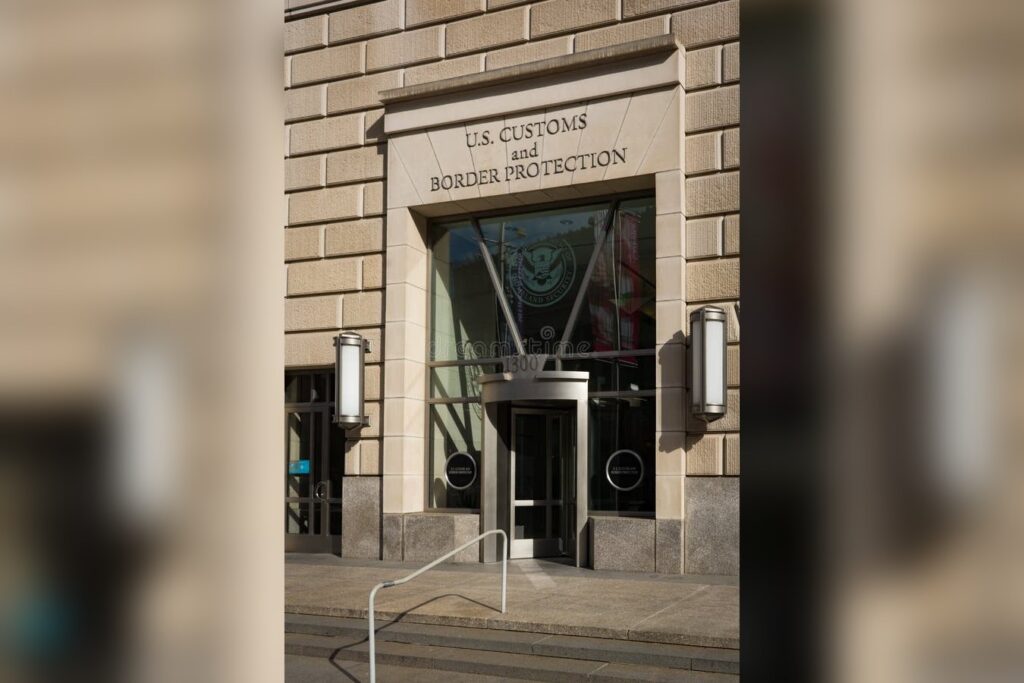
WASHINGTON, July 20 — Bonded warehouses function as a quiet but critical node in the global supply chain, enabling importers to store, sort, or even process dutiable goods without triggering immediate customs payments. The strategic calculus behind these facilities is straightforward: delay duty until goods either exit the country or enter domestic markets, offering importers and warehouse operators significant cash-flow leverage. Under the system, any building or secured area approved by customs can serve as a bonded warehouse.
The moment goods arrive, both the import and the warehouse proprietor incur liability under a bond. That liability is canceled only when the goods are exported, re-exported, withdrawn for supplies to aircraft or vessels in international traffic, destroyed under customs supervision, or formally withdrawn for domestic consumption — at which point duty is paid.
While inside the warehouse, goods may be cleaned, sorted, repacked, or manipulated (short of full manufacturing) under customs oversight. The duty rate on withdrawal applies to the goods’ condition at that moment, not at the time of import. The global architecture of bonded storage Implementation varies widely, and the choice of warehouse type often depends on specific trade flows and local regulatory frameworks. In the European Union, temporary storage premises (RTO) provide a short-term holding option.
For longer-term use, countries operate public customs warehouses (Type B), where the warehouse administrator makes space available to any user, and private customs warehouses (Type C), where the administrator stores only its own goods and posts the required security. Additional types — D and E — are also classified as private facilities.
Free warehouses, guarded and operated by customs, and special economic zones (sometimes called bonded logistics parks) represent further variations. The United States permits goods to remain in a bonded warehouse for up to five years from the date of importation. That window provides ample time for traders to locate buyers, arrange financing, or wait for favorable market conditions before committing to duty payment.
Specialized storage services — deep-freeze units, bulk liquid tanks, commodity processing, and transport coordination — are offered within these facilities, making them integral to modern logistics. Strategic hubs in Asia Asia offers notable examples of Type B public bonded warehouses in operation. These include facilities run by Central Warehousing Corporation, Concor, State Warehousing Corporation, DHL Public Bonded Warehouses, Contegrate Entrepot Public Bonded Warehouses, and Allcargo Custom Bonded Warehouses. The presence of both state-owned operators and global logistics giants signals the importance of bonded warehousing in regional trade corridors.
Because the choice of warehouse type depends on a country’s specific legal and commercial environment, the system adapts to local conditions rather than imposing a uniform template. For global traders and customs authorities alike, the calculus involves balancing revenue collection against trade facilitation.
Bonded warehouses, by design, tilt toward the latter — allowing goods to move through supply chains without the friction of immediate duty payments, while keeping obligations enforceable through the bond. What this signals for the broader stakes in international trade is that customs infrastructure remains a quietly strategic tool. As nations refine their economic zones and warehousing regulations, the ability to store, manipulate, and defer duties will continue to shape how goods cross borders — and where they linger longest.




