
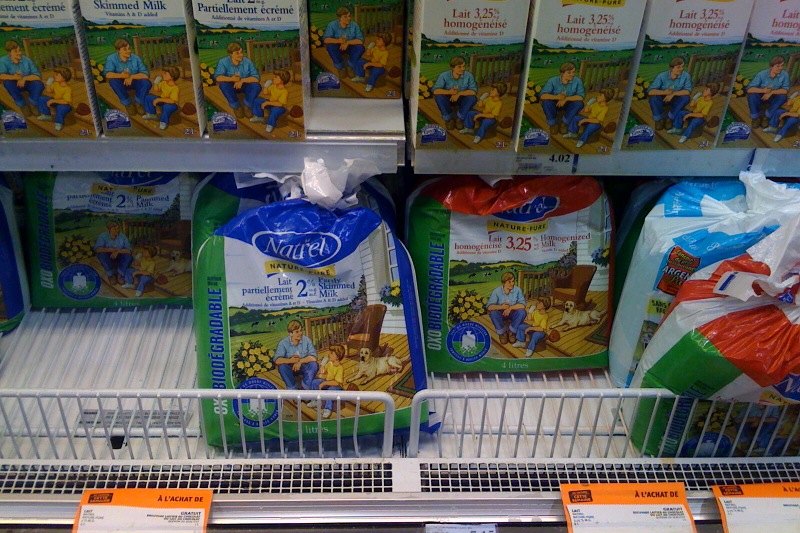
OTTAWA, July 21 — By the numbers: 16,351 dairy, poultry and egg farms operated under Canada’s supply management system as of 2017, a framework authorized by the 1972 Farm Products Agencies Act. The act created two national agencies — the Canadian Dairy Commission and the Farm Products Council of Canada — that oversee a policy designed to match production with domestic demand through quotas and import controls.
Canada’s supply management system keeps prices stable for farmers but draws criticism from trade partners and free-market advocates who say it raises consumer costs and limits export opportunities. The system controls supply of dairy, poultry and eggs through production quotas and import restrictions.
Five national organizations administer it: Egg Farmers of Canada, Turkey Farmers of Canada, Chicken Farmers of Canada, Canadian Hatching Egg Producers, and the Canadian Dairy Commission, a Crown corporation. In the dairy sector, the Canadian Milk Supply Management Committee sets the annual national industrial raw milk production quota — called the Market Sharing Quota — and each province’s share, matching output with domestic demand. Proponents argue that supply management ensures a stable, high-quality supply without shortages or surpluses.
They also point out it avoids direct government subsidies common in the United States and the European Union. Opponents view the system as a government-backed cartel that artificially props up prices for farmers at the expense of consumers.
How It Works
The 1972 Farm Products Agencies Act authorized the creation of the Canadian Dairy Commission and the Farm Products Council of Canada. These agencies, together with provincial and national governing bodies, operate the quota system that limits how much farmers can produce. The Canadian Dairy Commission, as a Crown corporation, plays a central role in the dairy sector, while the other four organizations cover eggs, turkeys, chickens and hatching eggs.
Supporters say the system avoids boom-and-bust cycles of unregulated markets. But critics — including international trade partners — see it as a barrier to market access.
The Organisation for Economic Co-operation and Development stated in 2017 that phasing out Canadian dairy supply management would boost export growth for Canada.
The Trade Debate
Supply management became an issue in three major trade negotiations: the Canada-EU Comprehensive Economic and Trade Agreement, the Comprehensive and Progressive Agreement for Trans-Pacific Partnership, and the United States-Mexico-Canada Agreement. Under the USMCA, signed October 1, 2018, the system remained fundamentally intact, though modifications to the milk class system weakened it. Those modifications opened the door to slightly more cross-border dairy trade, but the core quota structure survived.
The bottom line: Canada preserved its supply management framework while giving ground on specific pricing mechanisms for milk classes. The Canadian Dairy Commission sets the annual national industrial raw milk production quota through the Canadian Milk Supply Management Committee.
That quota — the Market Sharing Quota — is then divided among provinces based on their share of domestic demand.
What’s Next
Trade partners continue to press for greater access to Canada’s dairy, poultry and egg markets. The OECD’s 2017 call for phasing out supply management remains a reference point for economists and foreign negotiators. But Canadian governments of both major parties have historically defended the system as essential to rural stability and farm income.
With the USMCA modifications now in effect, supply management faces ongoing pressure from trade partners, domestic consumer groups and free-trade advocates. The figure that matters for investors and exporters: the 16,351 farms operating under the system will likely remain at the center of future trade talks for years to come.




